I’ve always loved garden accents, whether man-made or natural. Like the plants in someone’s garden, sculptures and other non-plant additions reflect the gardener’s personality and put their stamp on the landscape. In my own garden, naturally occurring boulders not only inspired the name of my garden (Boulder Haven), but also encouraged me to use stone as a primary material for embellishments. In addition to stone, I have also put to use the many branches that have fallen into my garden over the years. Let’s talk about some ways we can use these ‘sticks and stones’ as functional or decorative garden art.
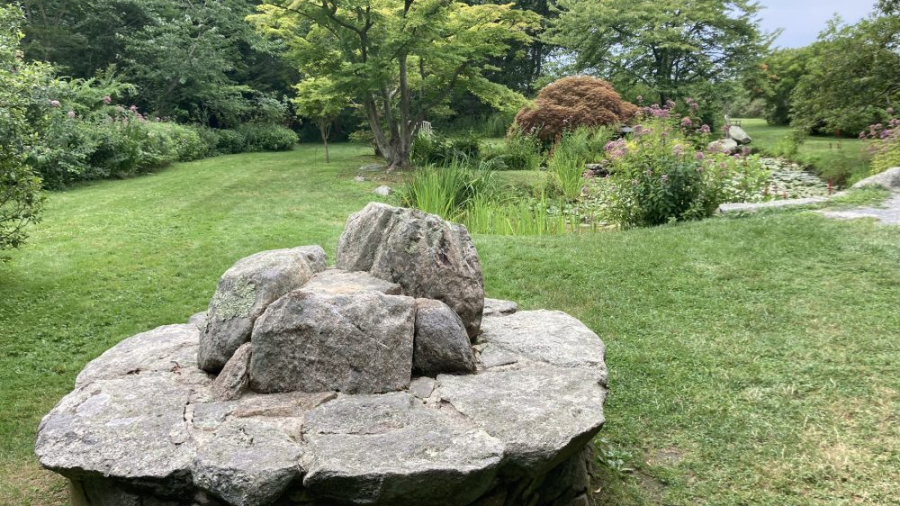
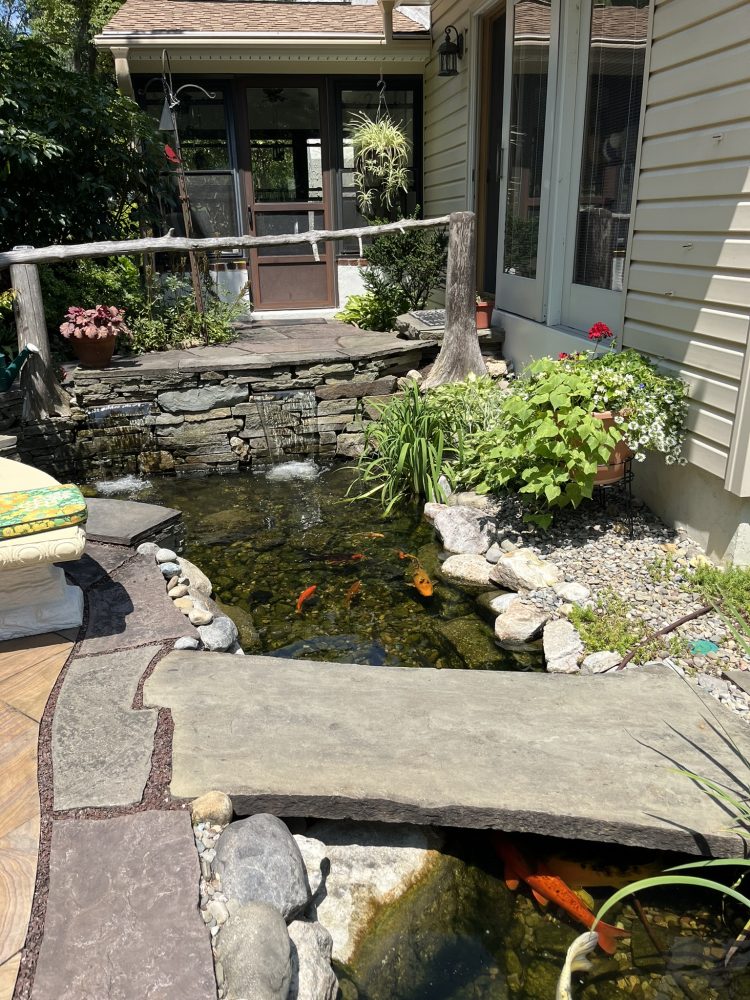
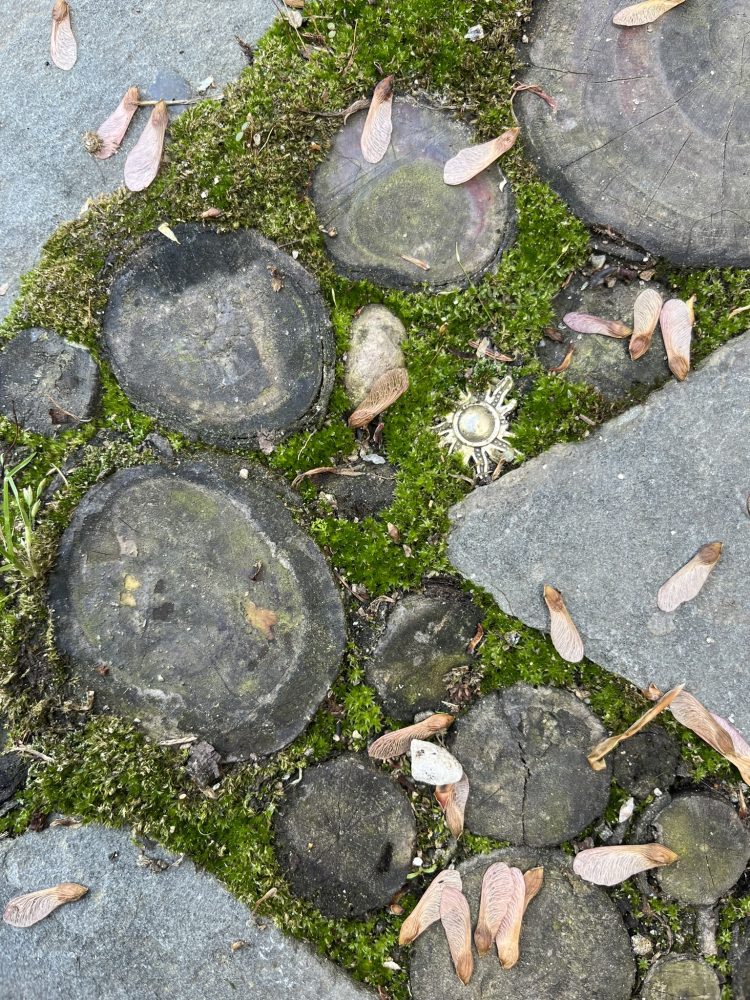
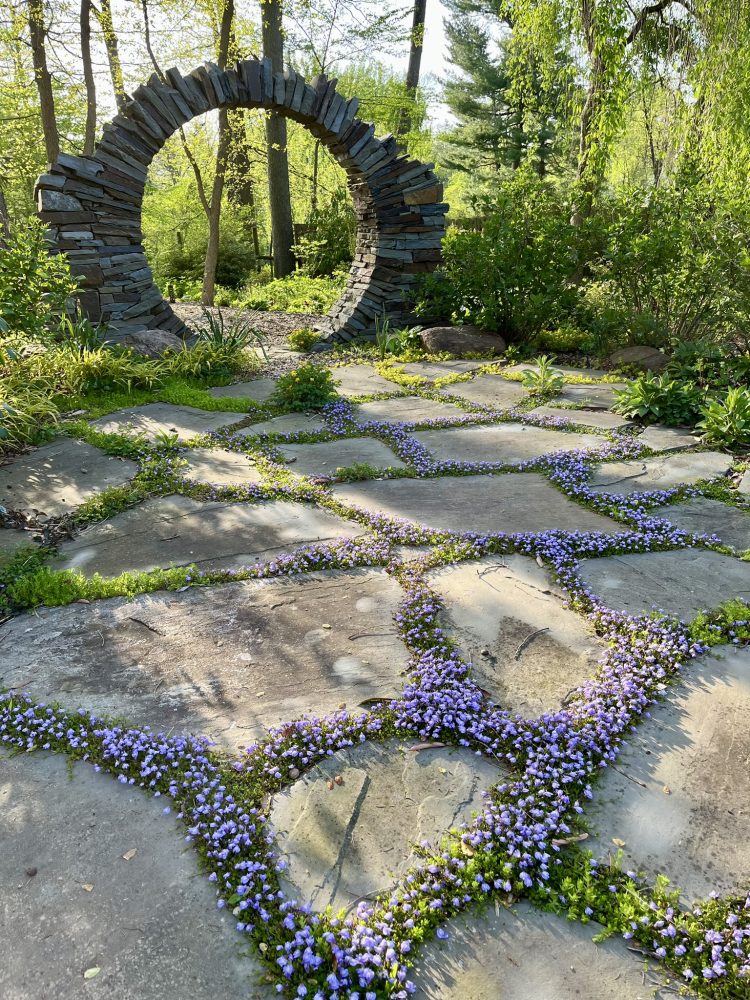
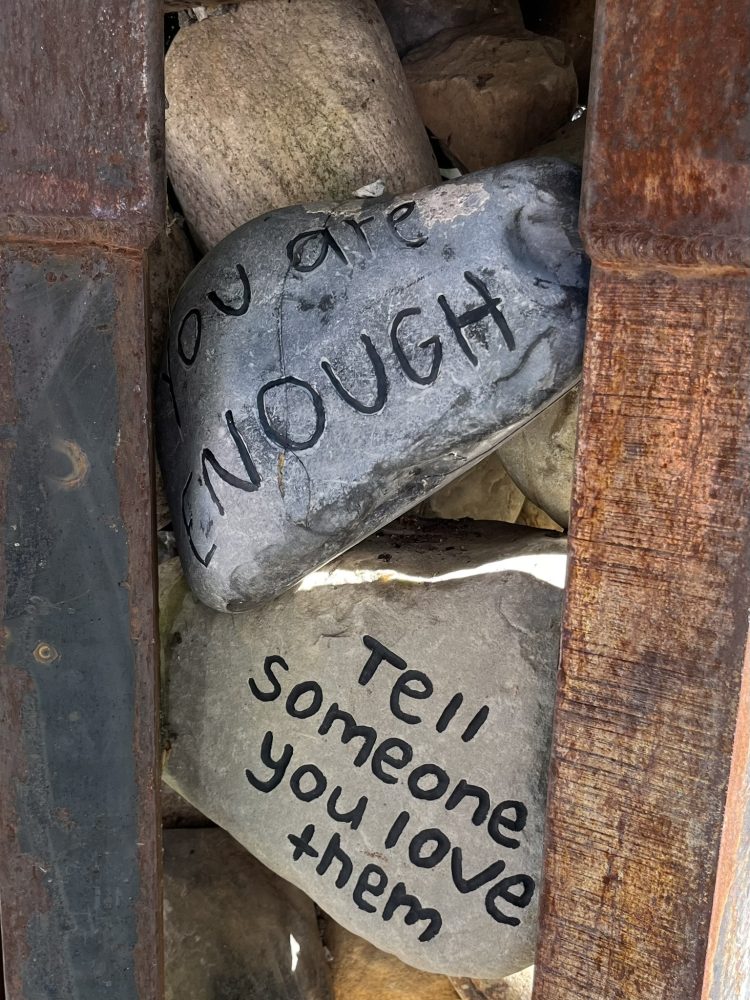
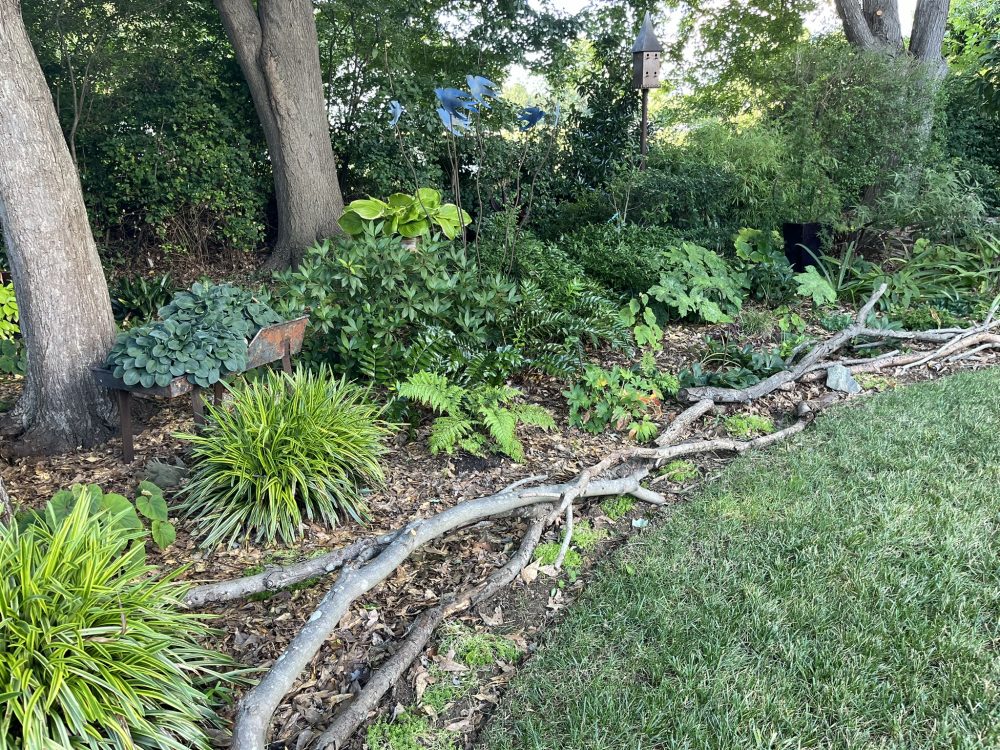
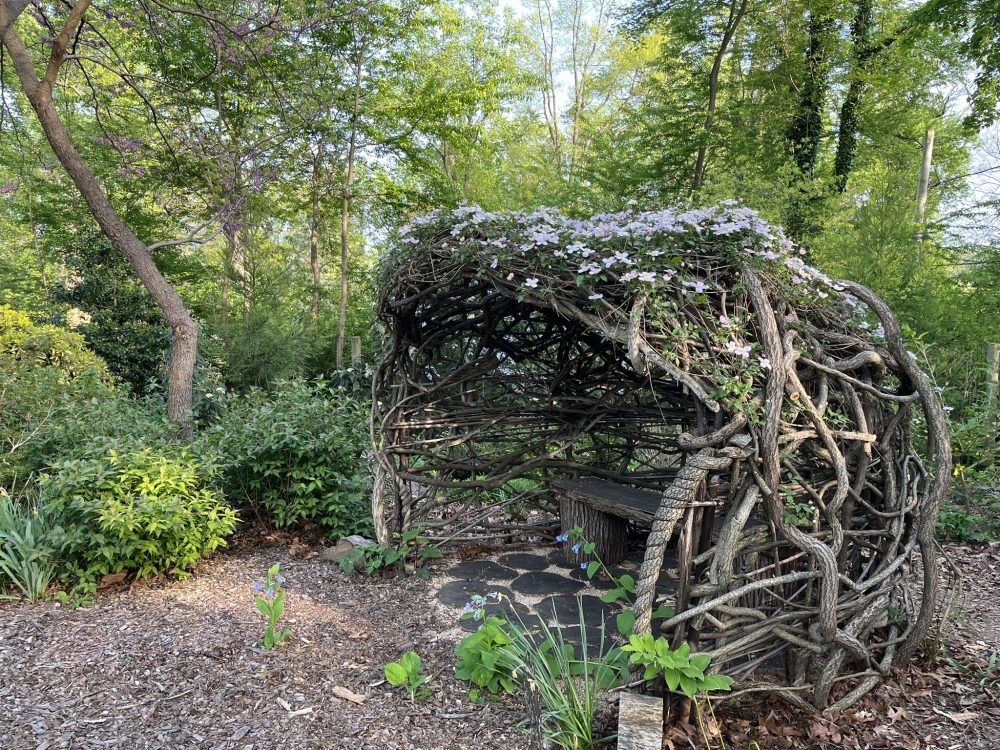
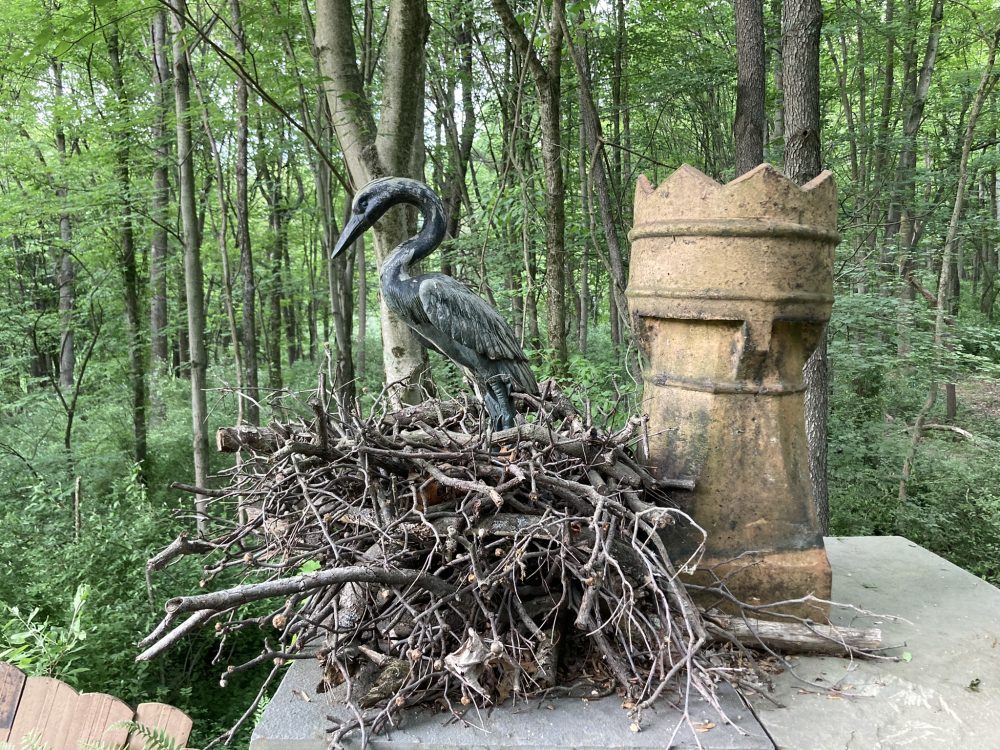
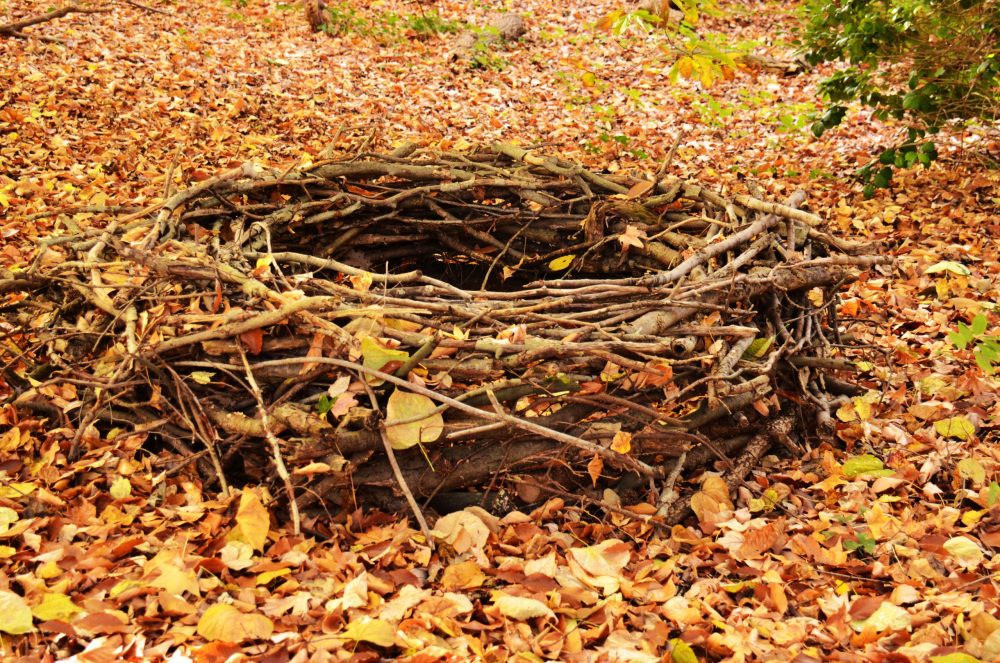
This stone wall combines large boulders with slate pieces for an artful display.Stone forms a patio, bridge and wall while driftwood pieces serve as a handrail.My artist friend Melissa used pieces of wood in combination with slate and meaningful ornaments to create a stunning patio floor.This stone sculpture offers the perfect counterpoint to the planting bed beyond and provides a perch from which to enjoy the garden.A nearby cemetery makes use of broken monuments and natural stone for an interesting rock garden display.A newly installed stone bench at Boulder Haven complements the surroundings and serves as a permanent sitting area.One of the first stone sculptures I added to my landscape was this moon gate flanked with irregular flagstone.In Tenerife, I was enthralled with use of a large stone as the support for a metal handrail.A public garden in North Carolina included an interactive stone sculpture where visitors could write messages on stones and leave them behind to inspire others.A combination of stone and logs formed this fence at Sakonnet Garden in Rhode Island.Branches make a practical and lovely edge to a garden bed.Harvested invasive vines form this structure and provide a support for Clematis montana.The next time you are picking up sticks in the yard, think about creative ways to use them. In this space, the gathered twigs form a nest for the heron sculpture.Another great way to use twigs is to gather them into different shapes where they can decompose naturally while adding interest to the garden.
When adding art to the garden, think about how the form of the object or structure complements the surrounding area. Place objects where they can serve a function, like a gate, wall or bench or considering using them as focal points to draw visitors’ eyes or guide them through your garden. I hope you’ll decorate your garden in a way that is pleasing to you and that reflects your personality. Fingers crossed that I’ve inspired you to include some sticks and stones in your landscape in new and unique ways.






Add a Comment