
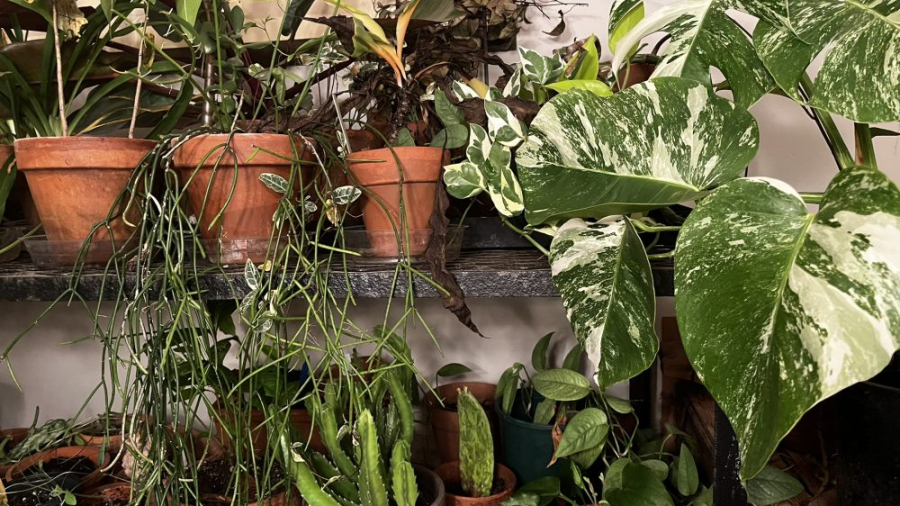
I have a love/hate relationship with the end of the gardening season. I’m typically physically exhausted when December rolls around, but at the same time I’m mourning the daily routine and moving meditation that digging in the dirt provides.
That’s why I tend to a small indoor garden over the winter months. My indoor garden is made up primarily of non-hardy plants that spend time outdoors from the spring through fall but come inside before the first hard frost. I lovingly care for them over the winter. I also have a number of plants that live their entire lives indoors and never experience the light of day from outside the window.
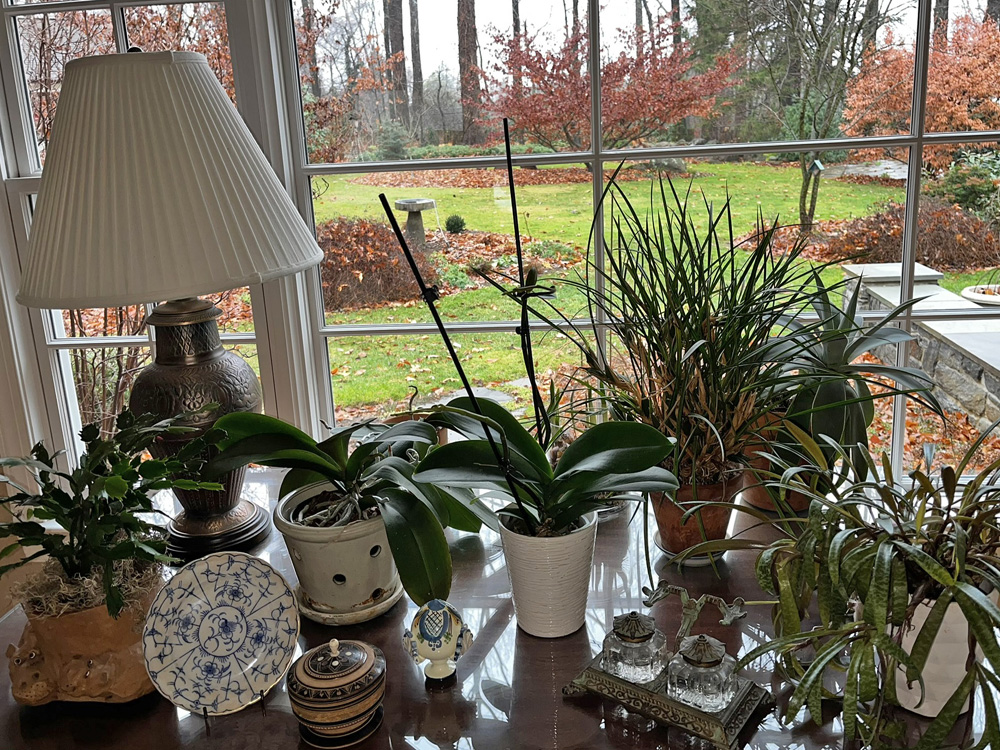
While not a plant collector per se (at least not yet), some of my friends are. These individuals talk about ‘the great plant migration’ where they move a large grouping of plants indoors in the fall and outdoors in the spring. For these folks, every window in the house is covered with racks filled to brim with variations of green.
I can’t blame my friends for their obsessive collections. Indoor plants help our mental well-being by giving us the opportunity to nurture, care for and admire living things. But also, they truly make our indoor environments healthier by removing toxins from the air. Just like with an outdoor garden, an in-home garden offers color, texture, fragrance and beauty to the space it occupies.

If you are new to ‘house’ plants, you might need to take some time to find the perfect location in your home for different varieties to grow. For example, I struggled with growing orchids for years but finally determined that my living room picture window offered the consistent bright light they enjoyed most. Since discovering this perfect location, my orchids have bloomed reliably each year. This year one of my orchids has two flower spikes!
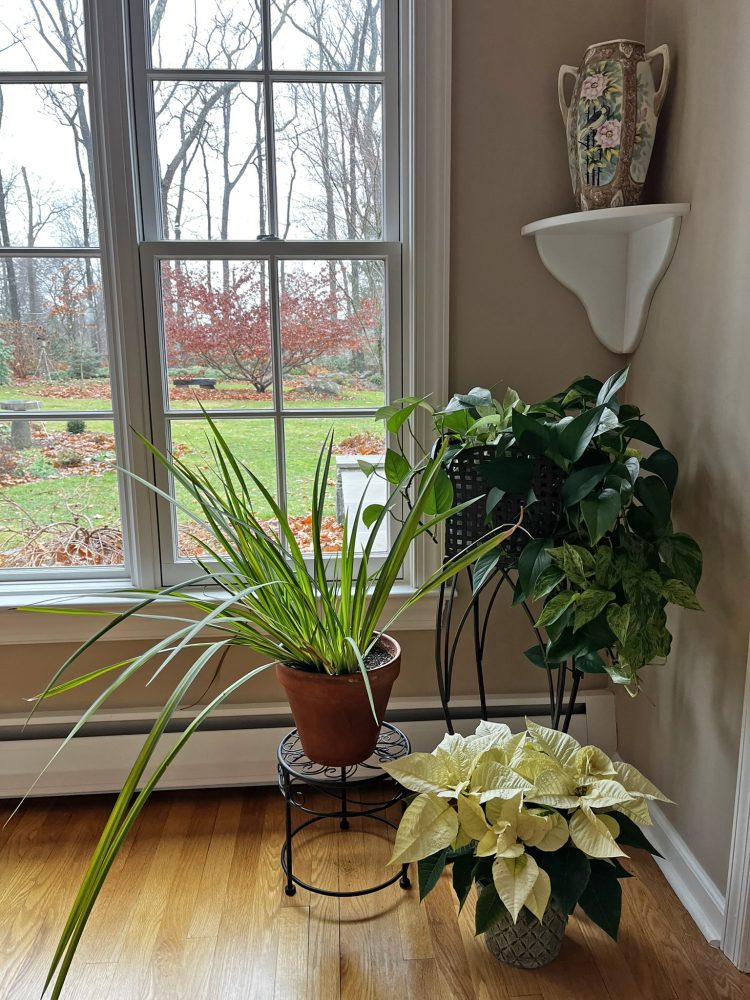
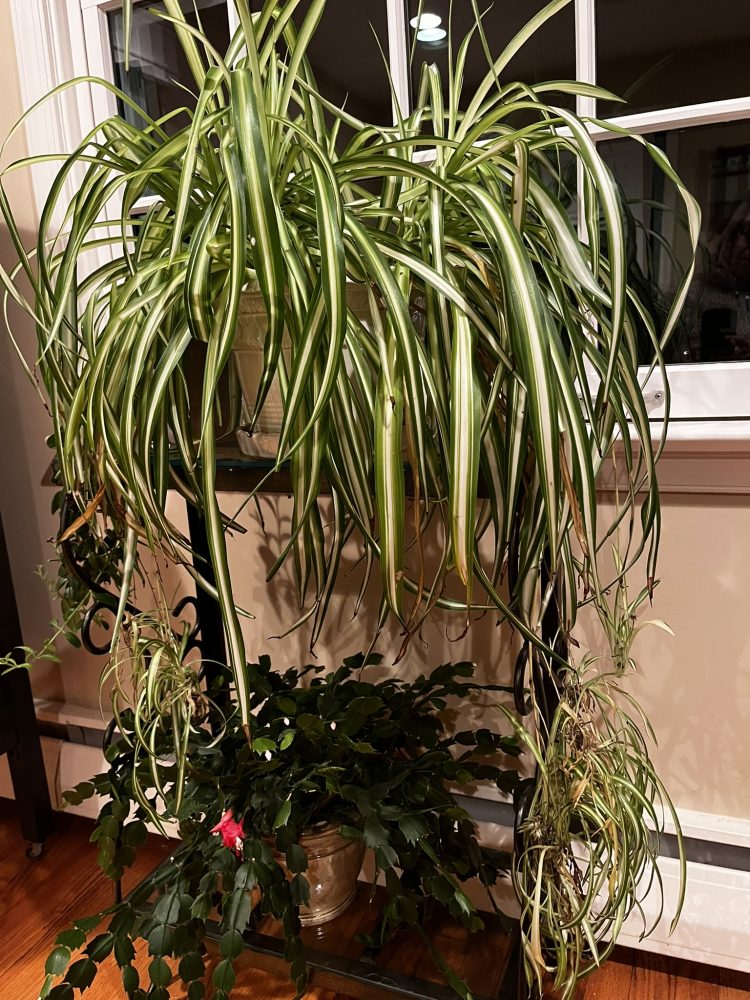
Certain plants tolerate (and prefer) low light, while others demand more sun. That means you probably have spots in every corner of your house where you can place a plant. My favorites for low light included Spathiphyllum (Peace lilies), Zamioculcas zamiifolia (ZZ plant), Sansevieria (Snake Plant) and Pothos (Devil’s Ivy). Plants that prefer bright, indirect light include Chlorophytum comosum (Spider plant) and Phalaenopsis (Moth Orchid).
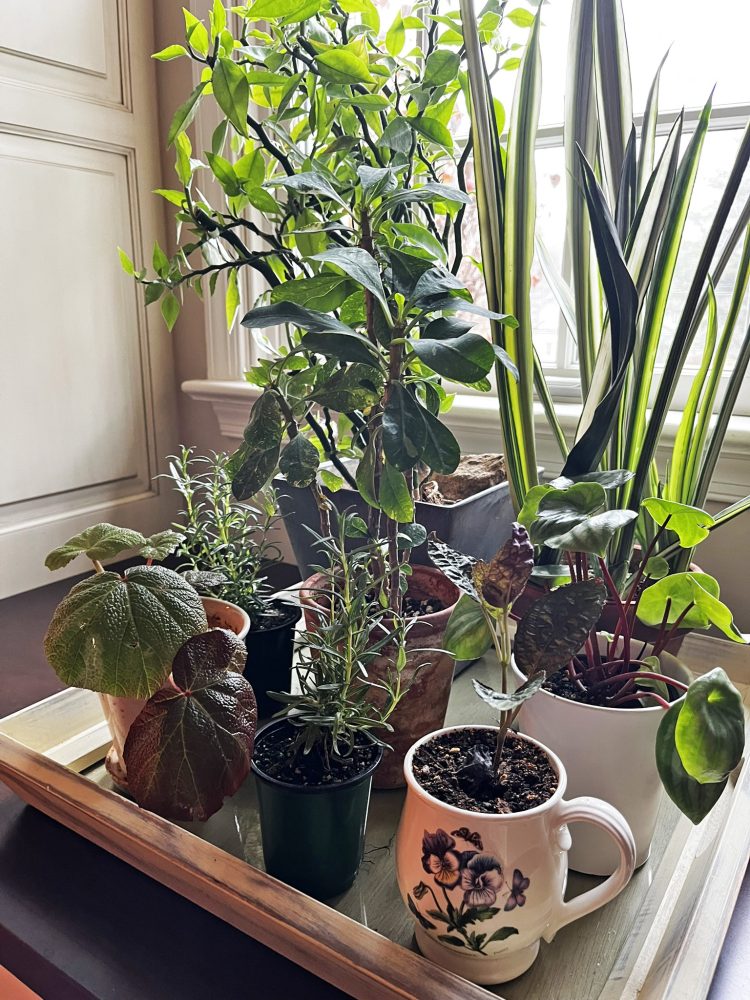
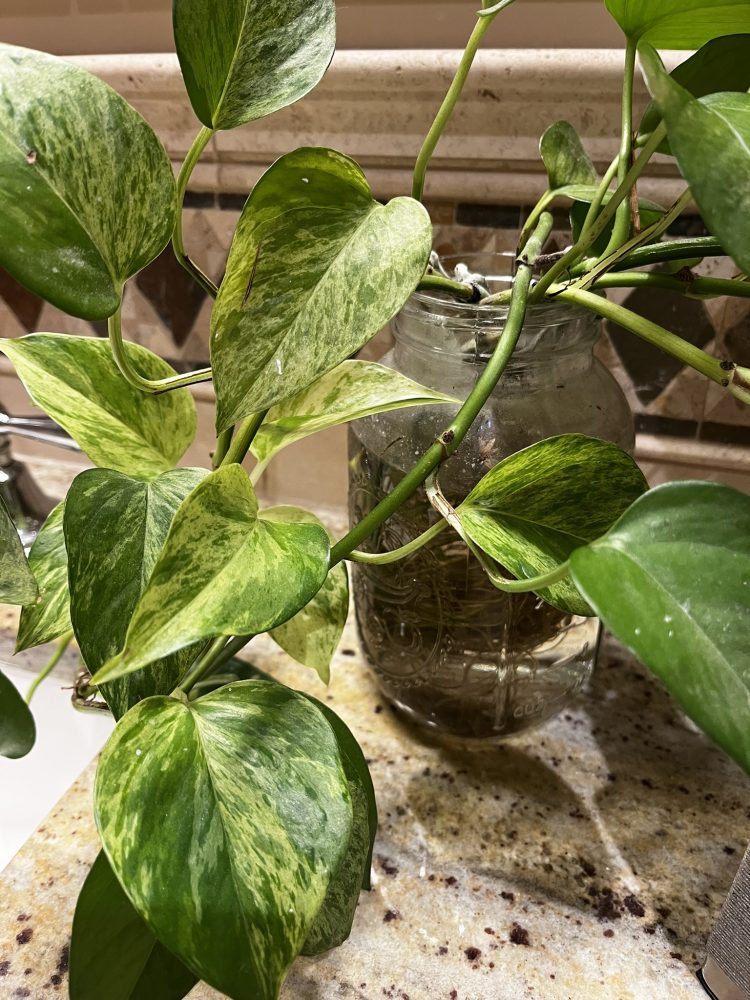
In addition to adapting to different indoor light and moisture requirements, a number of plants are easy to propagate. Cuttings of Pothos placed in a jar of water will happily and quickly grow roots. I’ve had one growing in a jar of water for over a year. As with outdoor plants, many houseplants can also be divided. And don’t forget to fill your home with fragrant and functional plants like herbs, which often find their home in the kitchen where they can be put to good use.
I hope you already have an indoor garden. If not, I suggest you start one. You won’t regret the decision, and it will enhance your mood, cleanse your air and add beauty to your home. What better way to help you transition through the often dark and gloomy winter months than inviting the garden inside.
Add a Comment