
HVX, EAB, BLS, BLD, and more. No, I’m not selecting letters for a game of Wheel of Fortune. These acronyms represent just a few of the diseases and pests that challenge today’s landscapes—and my garden is no exception.
Over the years, I’ve learned that even the most carefully tended gardens are not immune to new threats. While it can be discouraging to lose beloved plants and trees, each challenge has also reinforced the importance of observation, good gardening practices, and resilience.
One of my longest battles has been with the Emerald Ash Borer (EAB). I treated ten ash trees for decades with systemic root injections in an effort to protect them. Despite these efforts, some eventually succumbed to disease while others were lost during severe storms. Today, three healthy ash trees remain on my property. I continue treating them every other year, hopeful that these stately trees will continue to thrive for years to come.
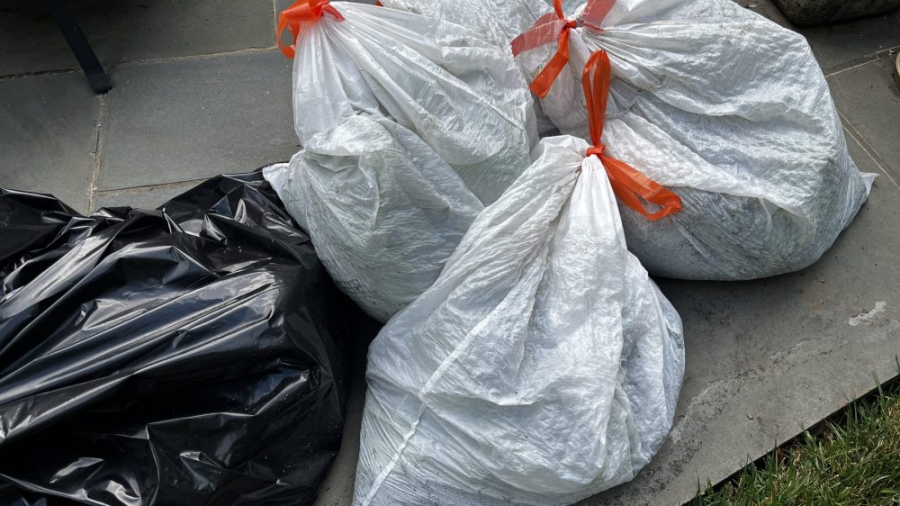
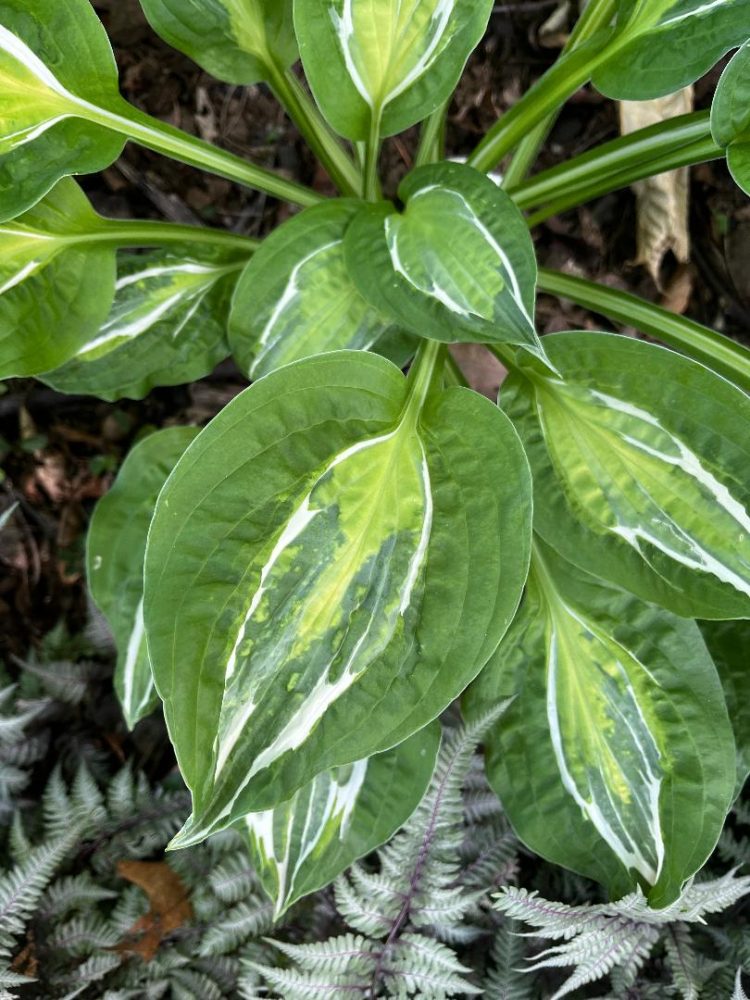
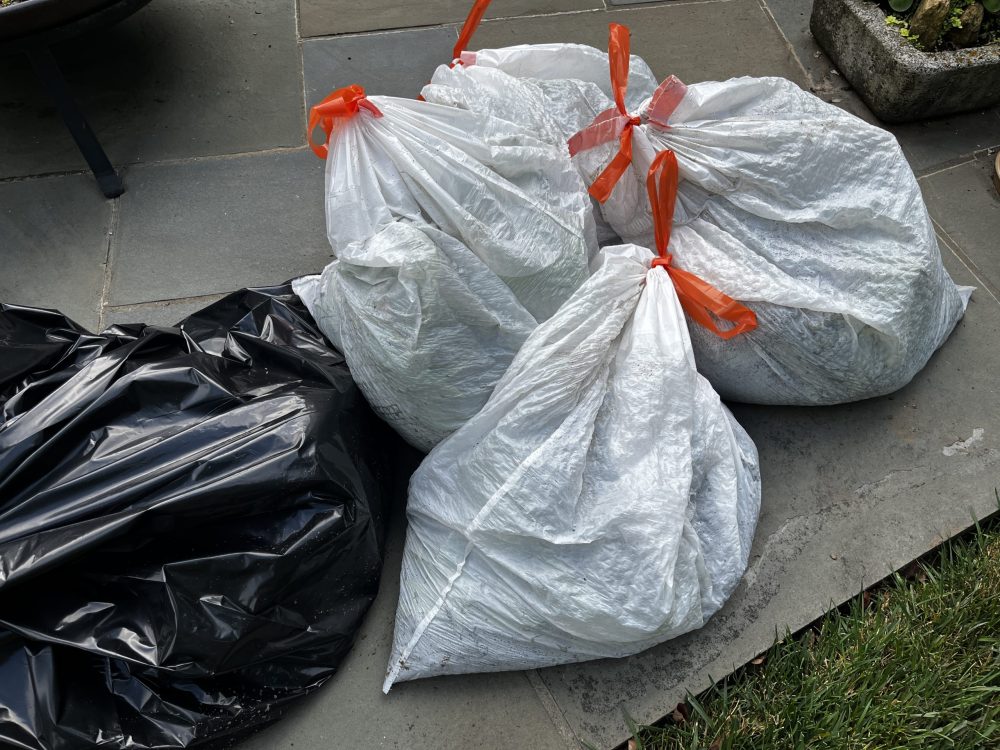
Hosta Virus X (HVX) is another serious concern. This virus targets hostas and has no cure, making early detection and prompt removal essential. Completely remove Infected plants and dispose of them in the trash—not the compost pile—to help prevent further spread.
Symptoms of HVX include a distinctive “ink bleed” pattern, where dark green discoloration follows the leaf veins, along with puckering, distortion, and irregular leaf growth. Any tools used on infected plants should be disinfected before being used elsewhere in the garden since the virus can spread mechanically through contaminated tools or by insects who feed on infected plants and then move to healthy ones. I first wash tools with soapy water to remove soil and debris, then disinfect them with a bleach solution or disinfecting wipes.
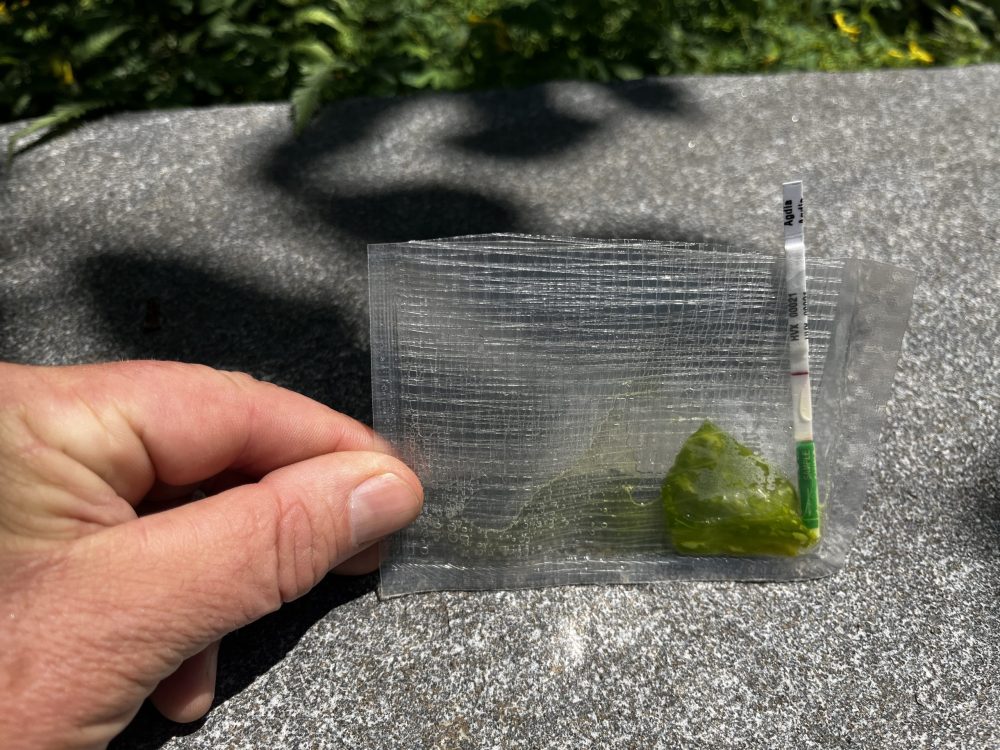
Home test kits, such as those available from Agdia, can help gardeners confirm whether a suspicious plant is infected. After testing many hostas that had been growing in my garden for decades, I discovered one positive plant that I removed immediately.
Fortunately, I have not yet encountered Bacterial Leaf Scorch (BLS) in my oaks, and I hope that continues to be the case. According to the Missouri Botanical Garden, BLS is caused by the bacterium Xylella fastidiosa, which invades the xylem—the tissues responsible for transporting water and nutrients throughout the tree. The disease is most common in oaks but can also affect elm, sycamore, mulberry, sweetgum, sugar maple, and red maple. Leafhoppers and spittlebugs spread the bacterium from tree to tree. There is currently no cure, and infected trees often decline over several years. Early symptoms include browning leaf margins during mid-summer that gradually worsen as the season progresses.
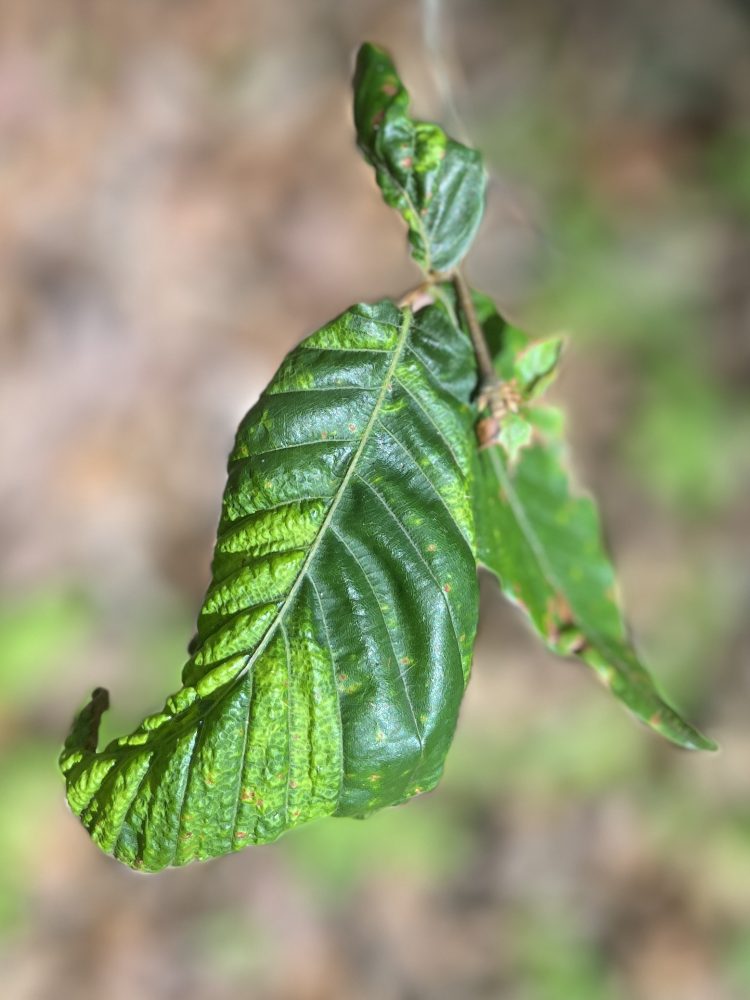
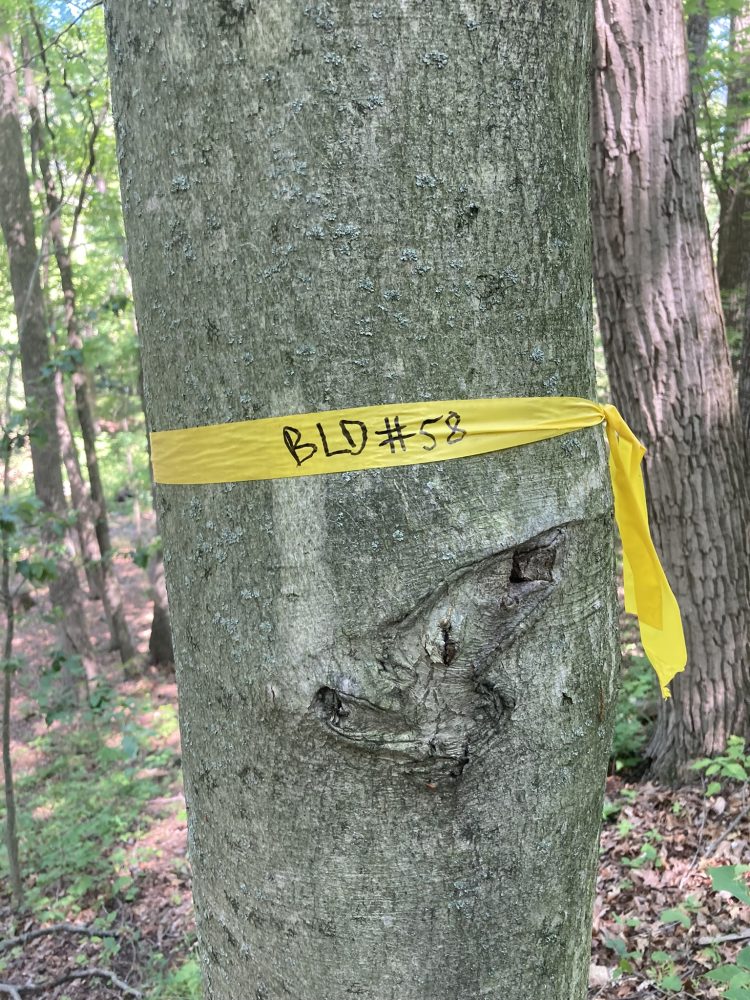
I’m also thankful that I don’t have beech trees on my property, as Beech Leaf Disease (BLD) has become widespread throughout Pennsylvania. The disease affects all species of beech trees and is associated with a microscopic nematode that feeds within developing leaf buds. Infected leaves emerge with distinctive dark banding between the veins and may become curled, leathery, or distorted as the season advances. Over time, repeated defoliation weakens the tree, leading to canopy decline and eventual death. BLD has now been confirmed in all 67 Pennsylvania counties, illustrating just how quickly new diseases can spread.
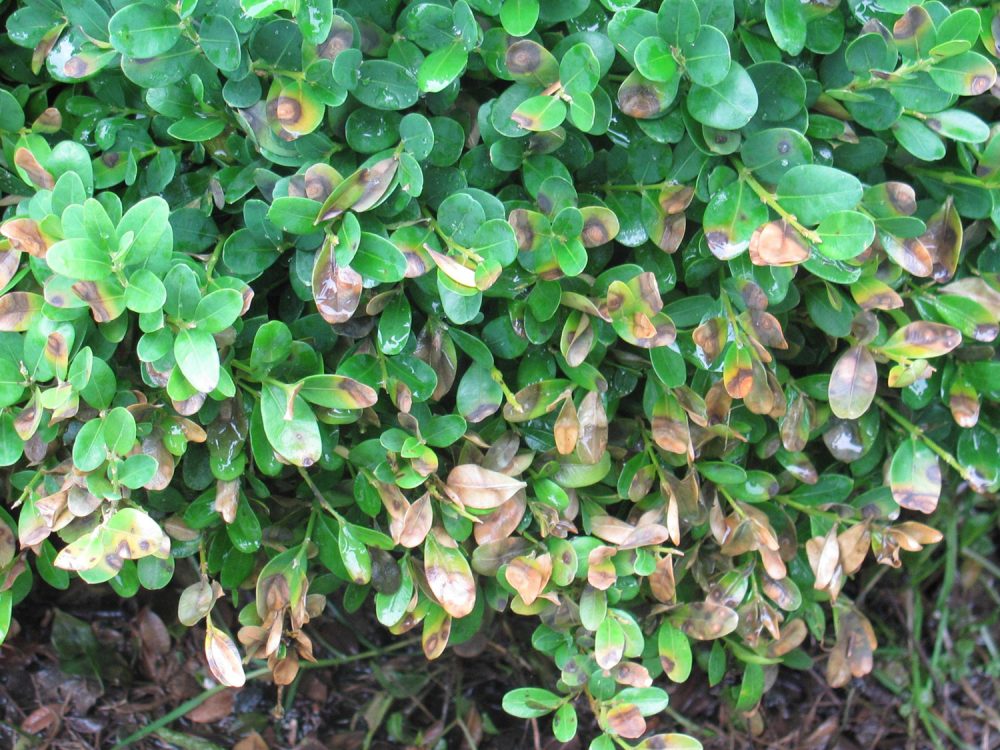
As if those challenges were not enough, gardeners are now being urged to watch for the Box Tree Moth, an invasive insect whose caterpillars feed exclusively on boxwoods (Buxus species). Boxwoods have already faced significant losses from Boxwood Blight, and the arrival of another destructive pest creates additional concerns. Signs of infestation include heavy feeding, defoliation, silk webbing, caterpillars, and branch dieback.
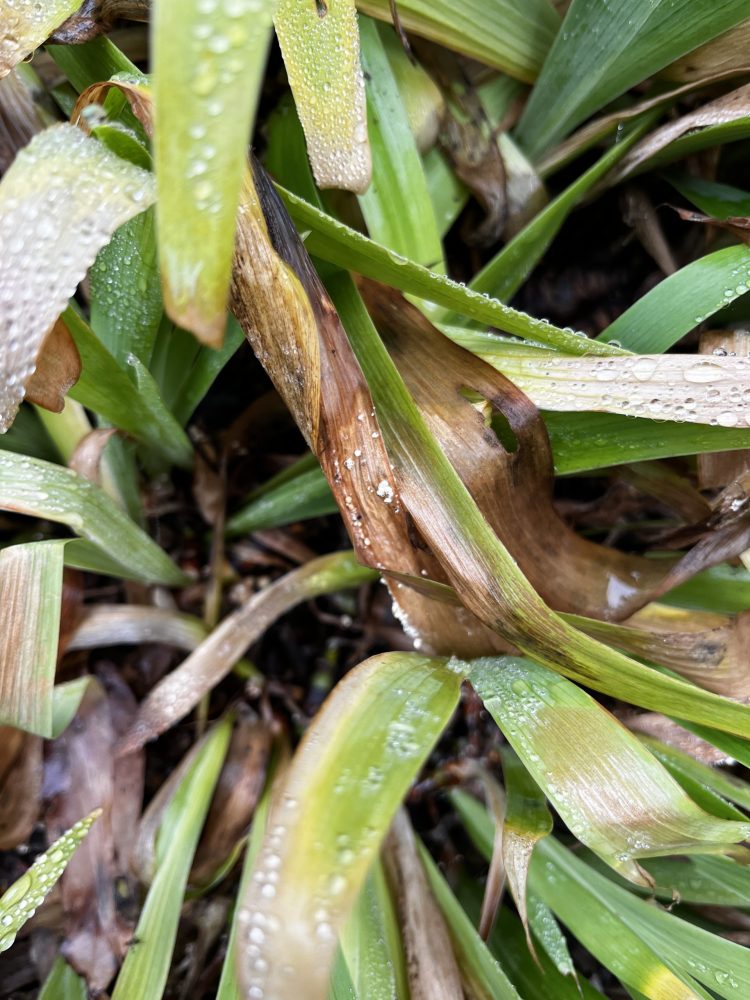
Southern Blight has plagued my own perennial garden. This fungal disease affects more than 500 plant species and thrives during hot, humid weather. Infected plants often yellow, wilt, and collapse within days. White fungal threads, called mycelia, spread across the soil surface, while tiny mustard seed-like structures known as sclerotia develop around the crown of the plant. Because sclerotia can survive in the soil even after freezing temperatures, infected plants—including their roots—should be removed completely and disposed of in the trash. Fungicides may help protect nearby healthy plants but cannot cure infected ones.
Although the list of diseases and pests seems to grow each year, there is still a lot gardeners can do to protect their landscapes. Good sanitation remains one of the most effective defenses. Just as we wash our hands to reduce the spread of illness, gardeners should regularly clean and disinfect their tools, especially when moving between different areas of the garden.
I have also become more intentional about improving air circulation by avoiding overcrowding, watering early in the morning so foliage dries quickly, and carefully inspecting new plants before bringing them into the garden. These simple practices cannot eliminate every problem, but they can significantly reduce the risk of introducing or spreading disease.
Gardening has always required patience and adaptability. Plants are lost, landscapes change, and new challenges emerge. Yet every setback also creates an opportunity to learn, rethink plant choices, and increase the diversity of the garden. Replacing susceptible plants with resilient alternatives can strengthen the landscape while introducing new colors, textures, and seasonal interest.
Healthy gardens are not gardens without problems—they are gardens that continue to grow, evolve, and recover. By staying informed, practicing good sanitation, and responding quickly when disease appears, we give our landscapes the best possible chance to flourish despite the challenges they face.
Excellent blog!!!!
Thanks Karen. Glad you found it informative.
You’ve done the homework for us. Thank you, but I shudder to think what’s out there!!
New one-what is causing new tender growth on the Meyer lemon to curl? Can’t see anything suspicious.
Not sure exactly what the issue is with your lemon. Could be one of many things – pests, watering issues, temperature stress or even a nutrient deficiency. Hopefully, nothing serious!