
Rethinking the Garden for a Drier Climate
I don’t know about you, but I’m becoming increasingly frustrated with the weather. According to drought.gov, Chester County, Pennsylvania where I live is experiencing its 7th driest year in the past 132 years, and we remain nearly six inches below average rainfall.
And when we are lucky enough to get rain, it often comes all at once—a deluge that runs off rather than soaking into the soil—or is followed by strong winds that quickly dry out the landscape. It’s making me rethink how I garden.
I’ve started removing some of my more water-hungry plants, including hydrangeas, and replacing them with plants that are better equipped to handle dry conditions. My goal is to create a landscape that is both beautiful and resilient—one that can thrive without me constantly standing at the end of a hose or continuously running the sprinkler.
Plants That Are Thriving in My Garden
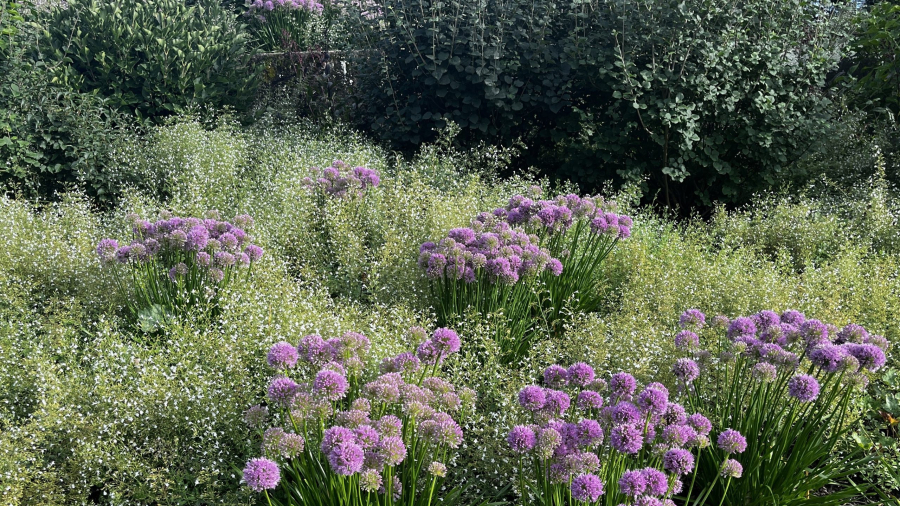
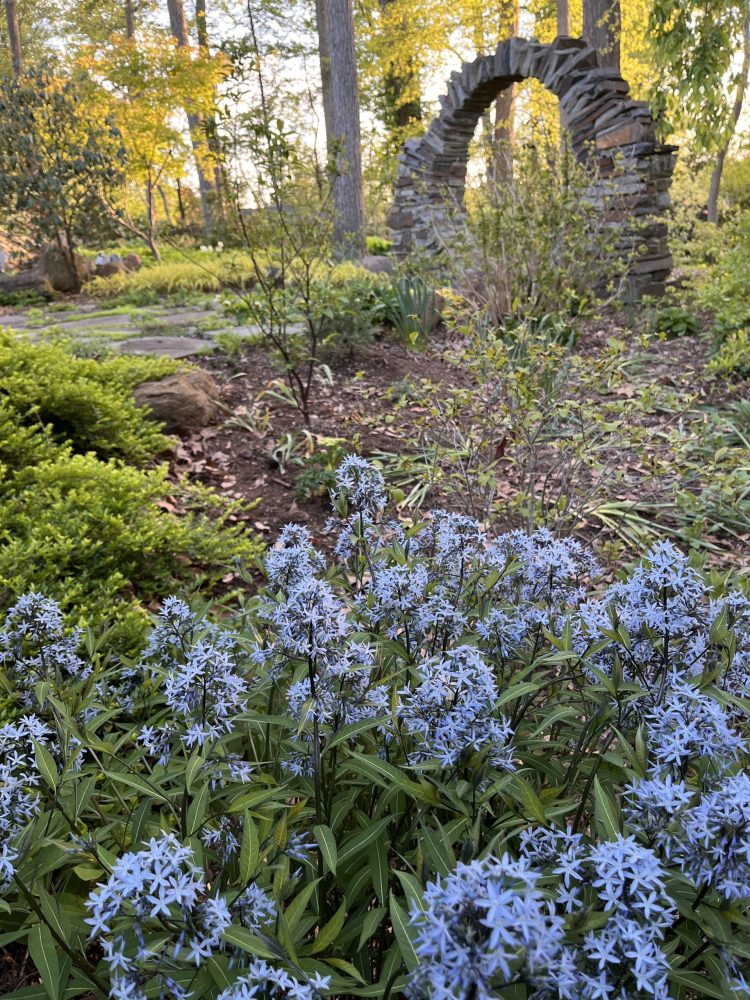
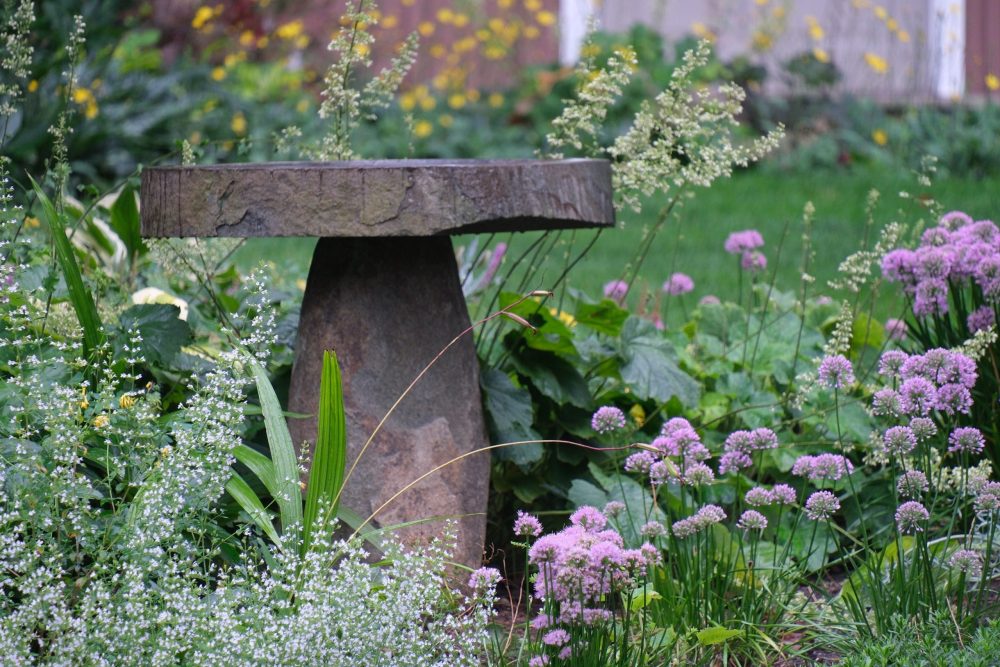
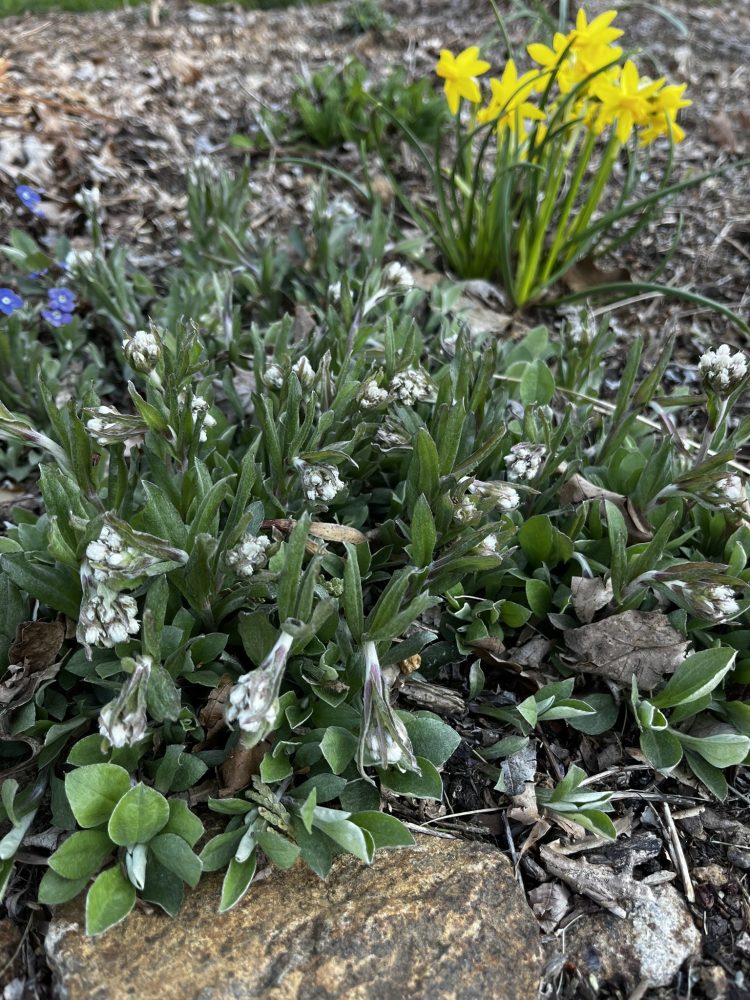
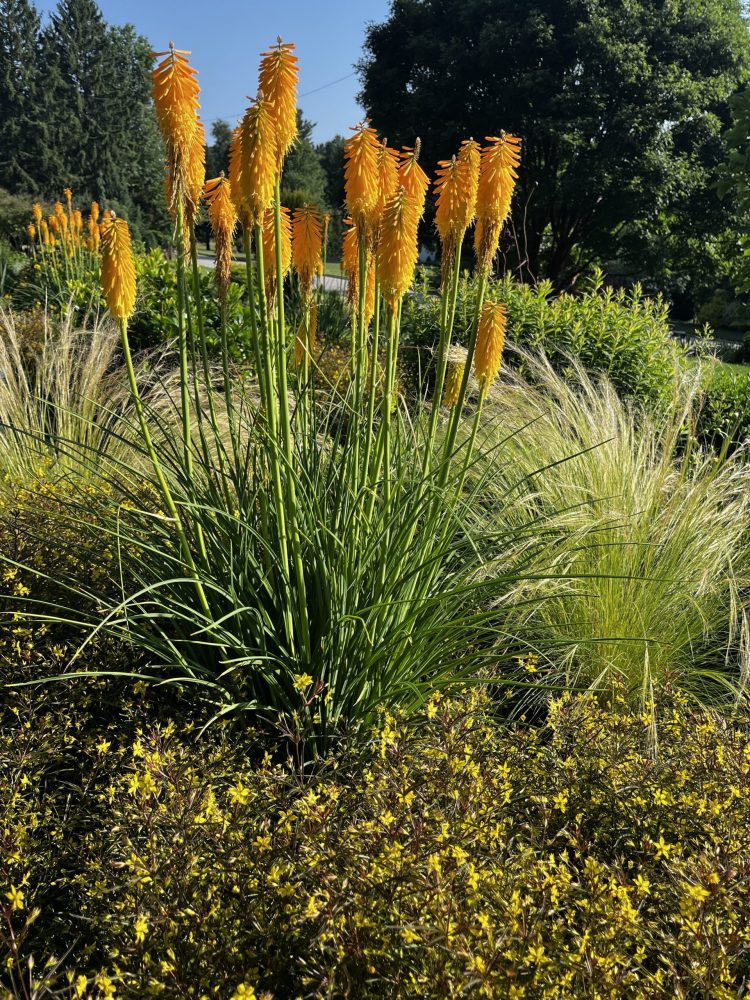
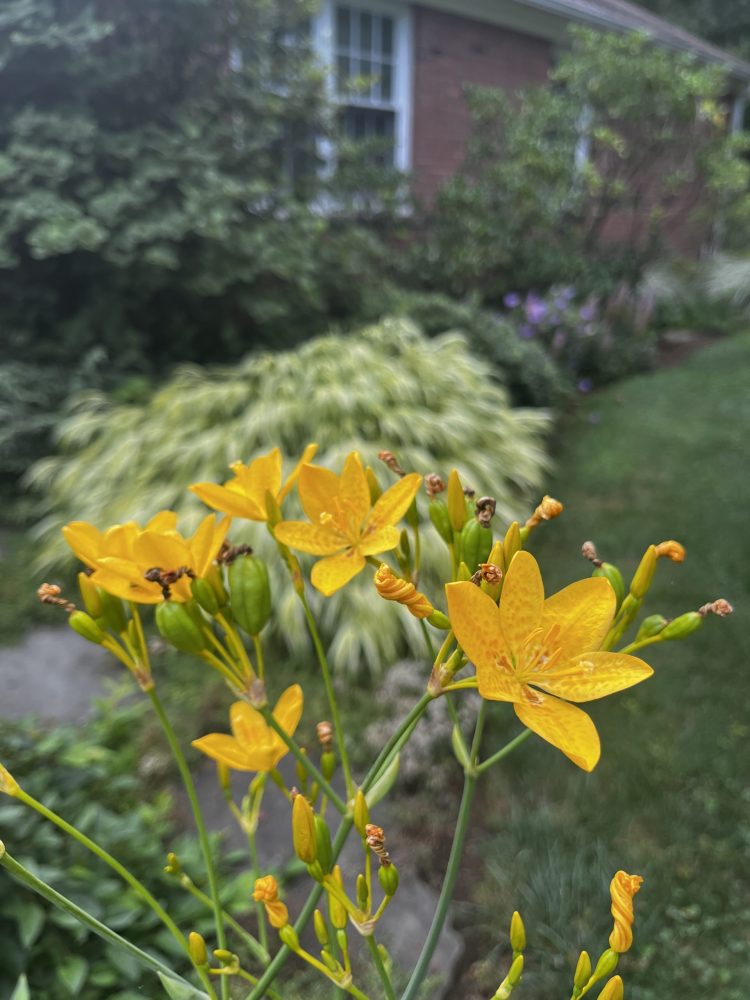
For sunny areas, several plants have performed particularly well for me, even through periods of heat and drought. Some of my standouts include:
- Iris domestica
- Calamintha
- Antennaria
- Penstemon ‘Red Rocks’
- Kniphofia
- Allium
- Aster ‘Snow Flurry’
- Nassella tenuissima
- Yarrow
- Amsonia
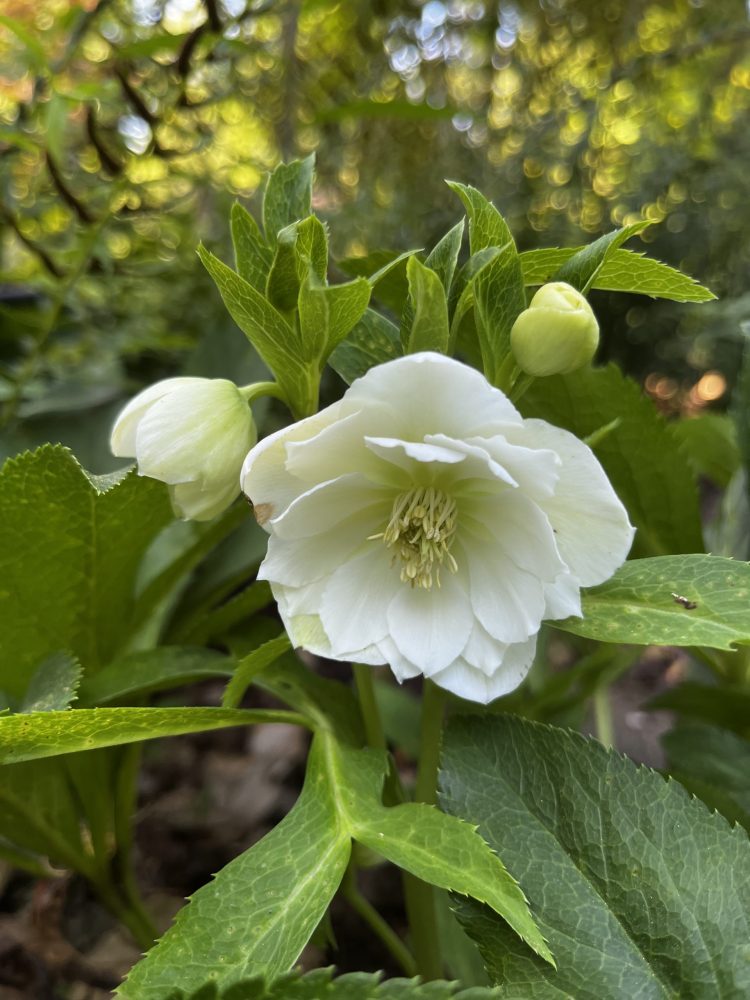
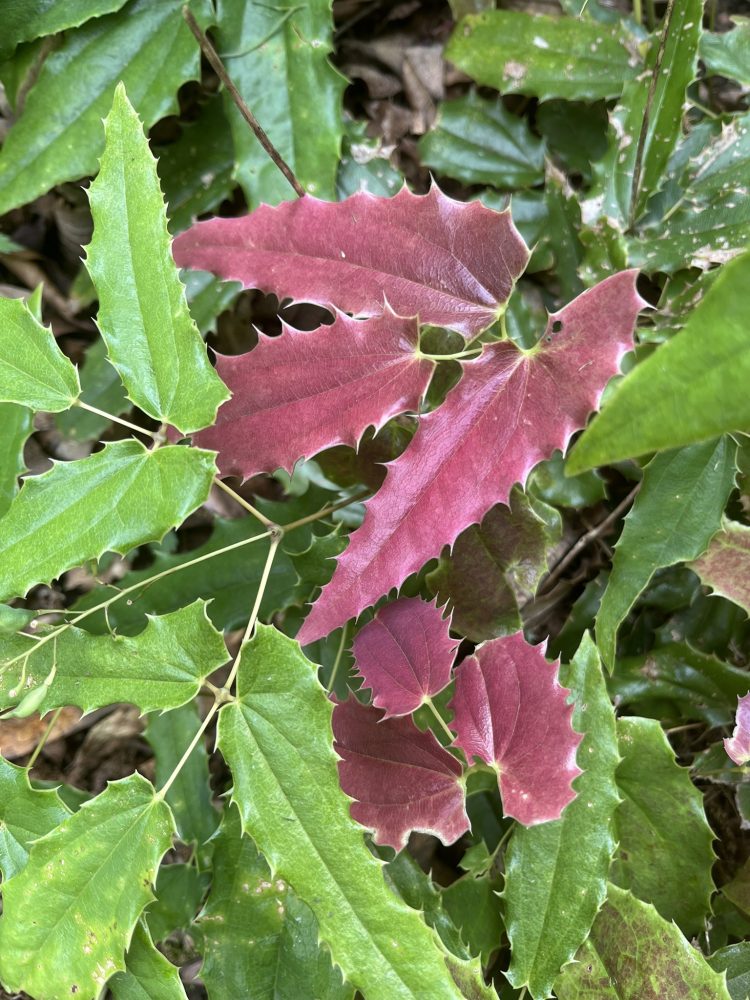
For areas with shade, I’ve found that these plants can tolerate considerably drier conditions than you might expect:
- Helleborus
- Epimedium
- Erigeron pulchellus ‘Lynnhaven Carpet’
As I continue removing super-thirsty plants and reworking different areas of the garden, I plan to rely on some of these tried-and-true favorites. But I’m also excited to experiment with plants I haven’t grown before.
Some that have recently caught my attention are Eryngium yuccifolium (Rattlesnake Master), Carex rosea (Rosy Carex), Commptonia peregrina (Sweet Fern), Arctostaphylos uva-ursi ‘Massachusetts (Kinnikinnick). and Blephilia subnuda (Smooth Woodmint). I’m curious to see how they perform in my garden and whether they might become new favorites.
For me, gardening in a changing climate isn’t about giving up on a beautiful garden. It’s about choosing plants that are better suited to the conditions we’re actually experiencing. A resilient garden can still be lush, colorful, and full of interest—it just may need a different plant palette.
Add a Comment