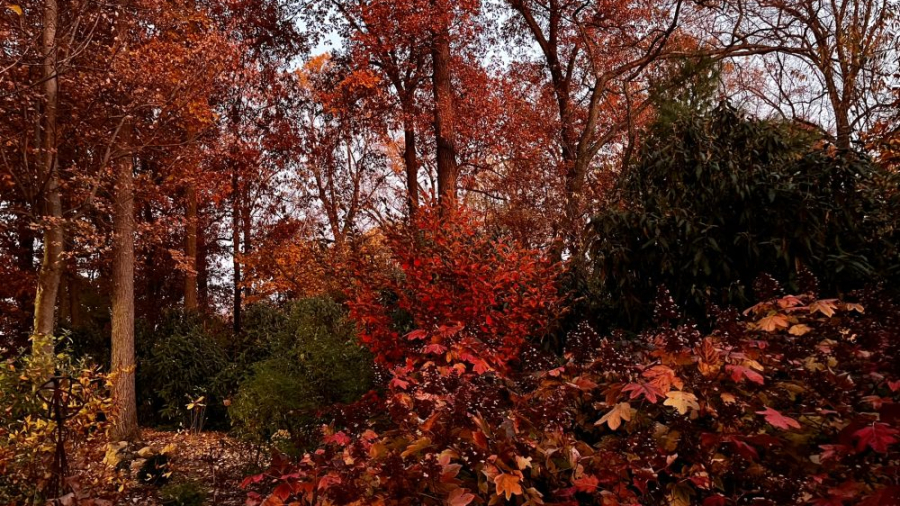
Experts say autumn colors are related to weather conditions. Temperature and moisture are the biggest influencers. Apparently, warm, sunny days and crisp nights spur production of the anthocyanin pigments responsible for reds, purples and crimsons. I wasn’t really tracking the daily temperatures during the fall because I was too focused on watering. With record-breaking drought that continued for almost 40 days in the Philadelphia area, I thought the trees would drop their leaves in exhaustion with no energy for changing color. But I was wrong. In fact, the fall color was downright stellar. Apparently, the temperature conditions were pretty ideal and more important than the moisture in the soil since friends across the Northeast who also suffered from drought conditions experienced beautiful fall color.
I couldn’t resist sharing some of the gorgeous fall color with you represented in a number of different trees. Let’s start with Japanese maples which never disappoint.
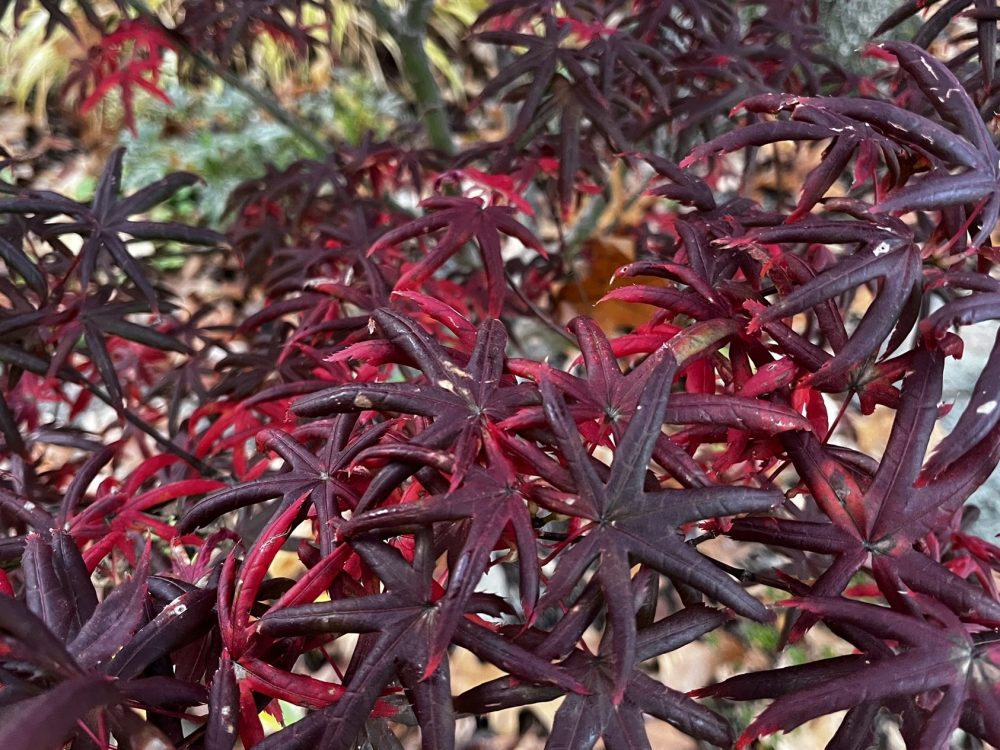
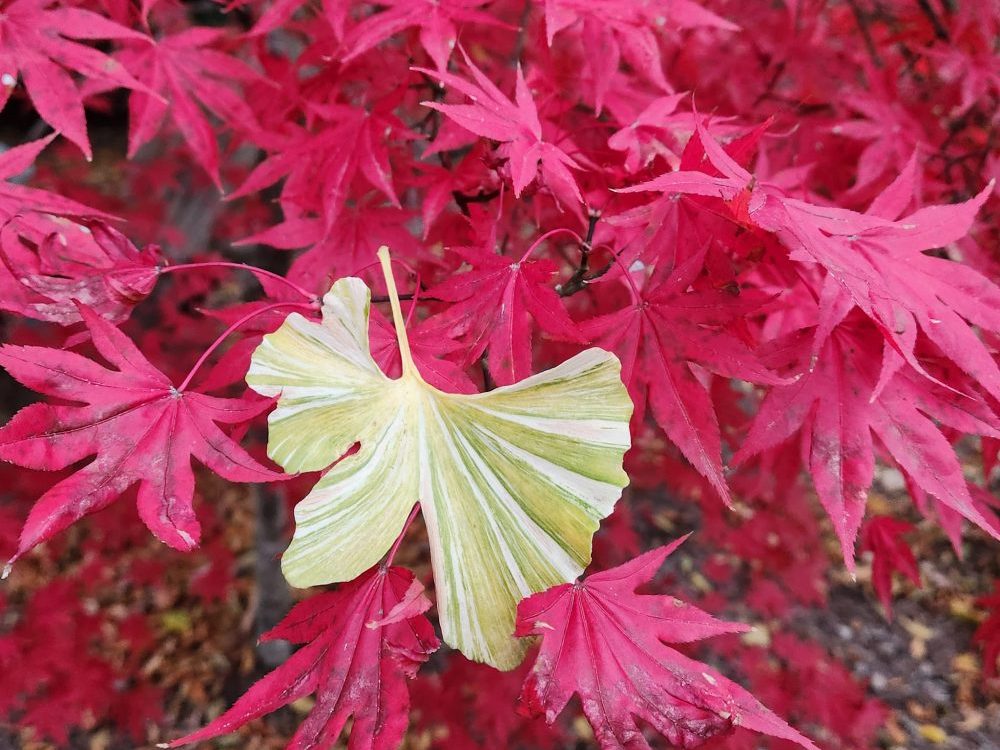
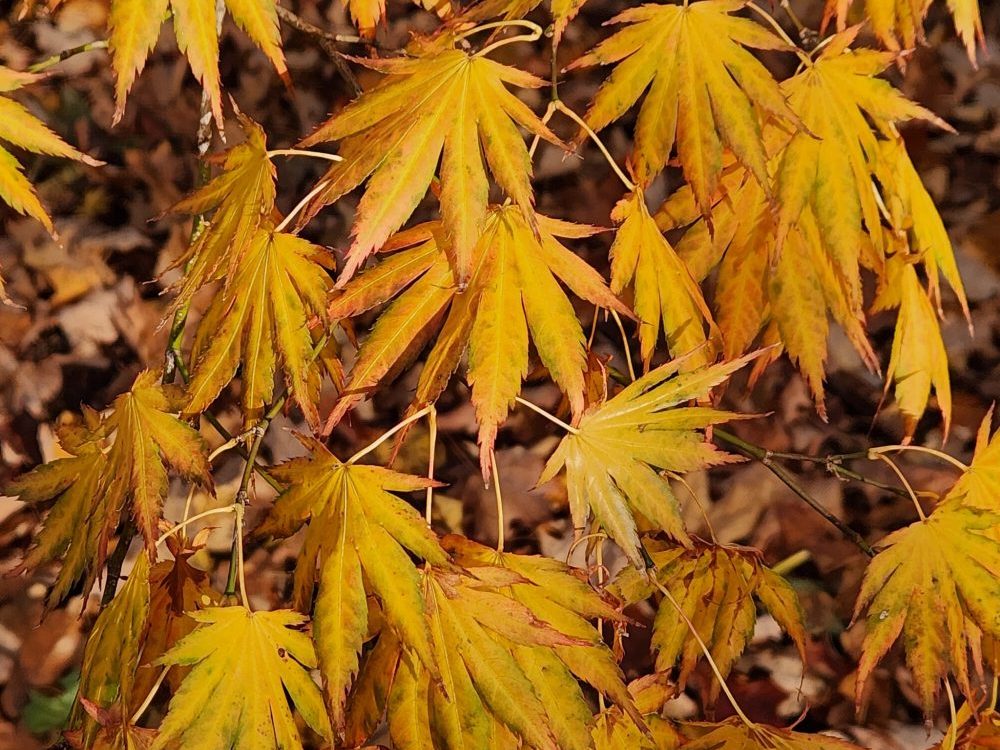
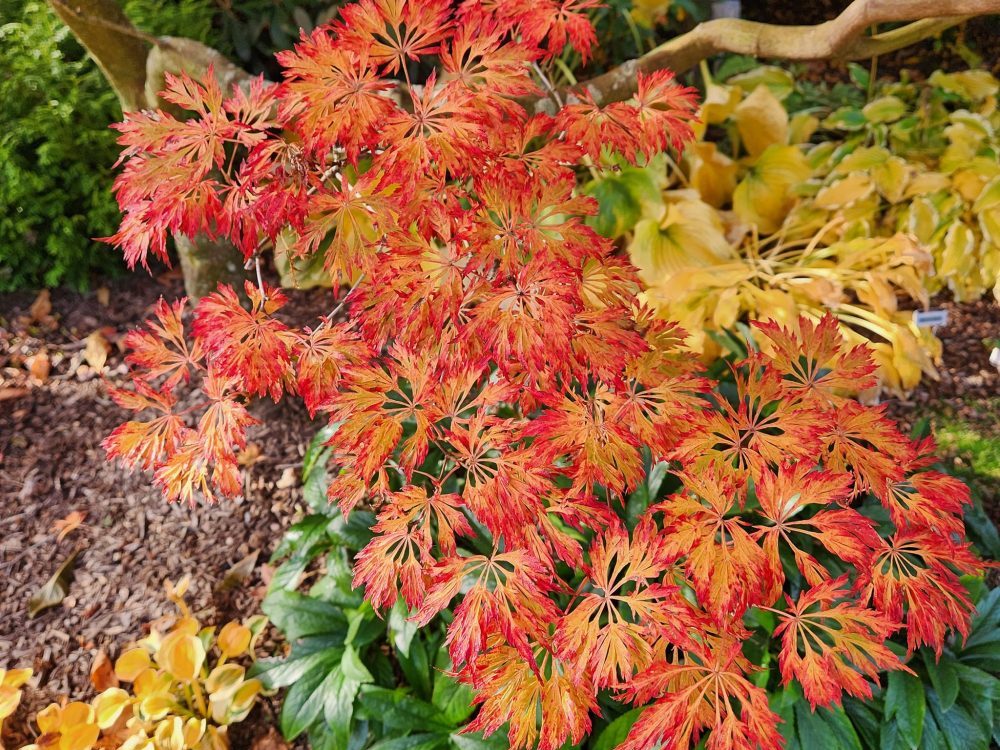
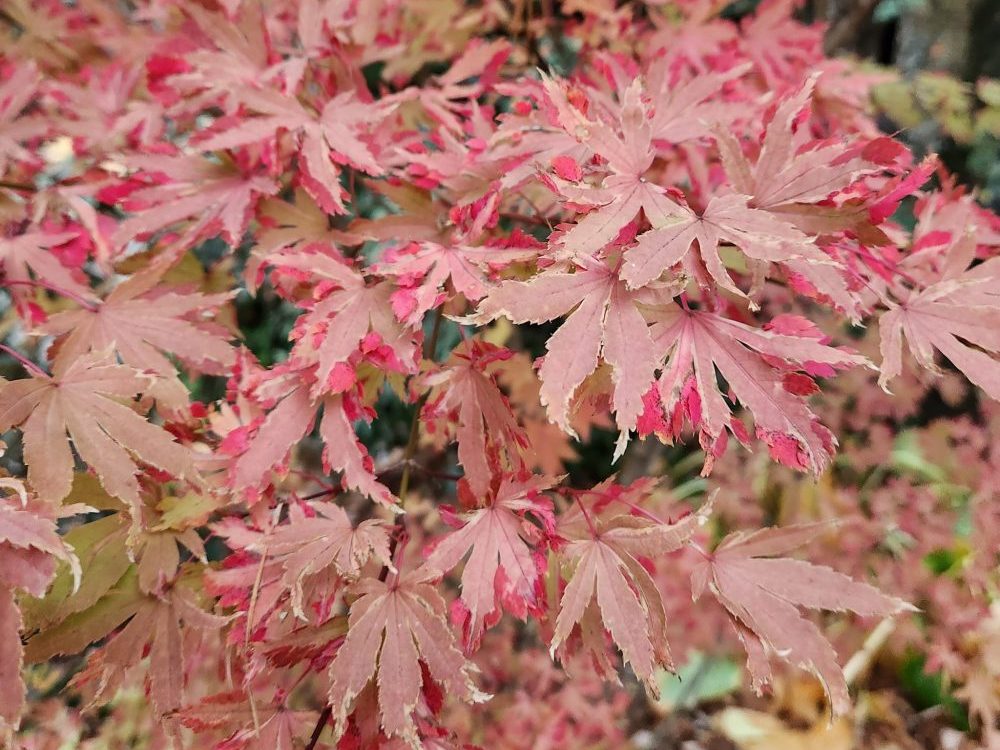
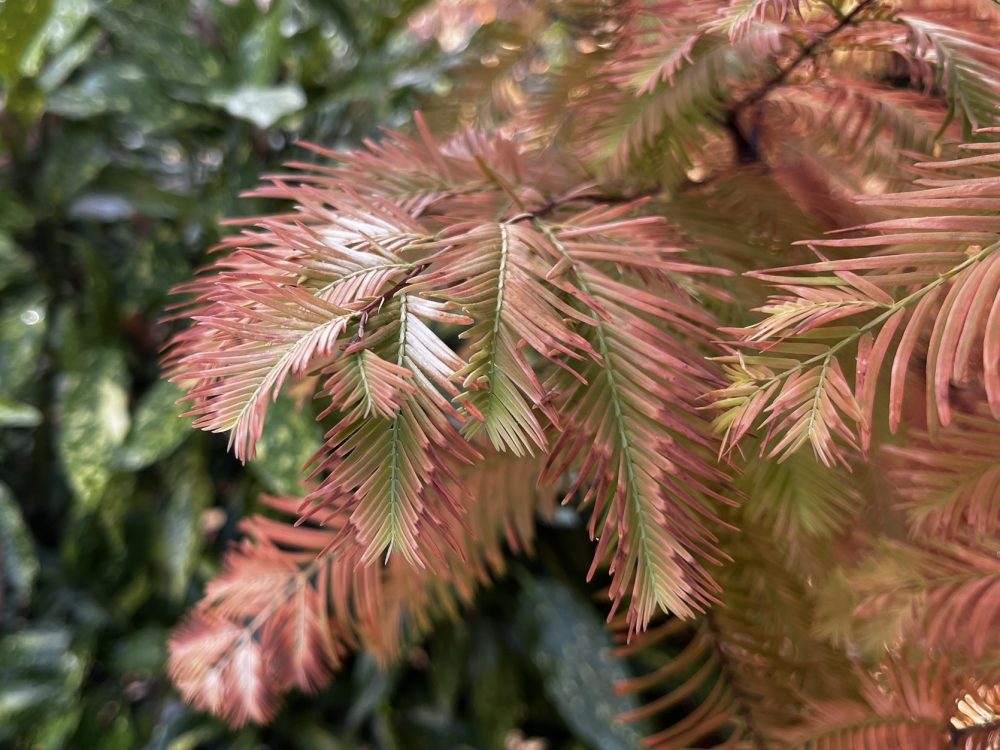
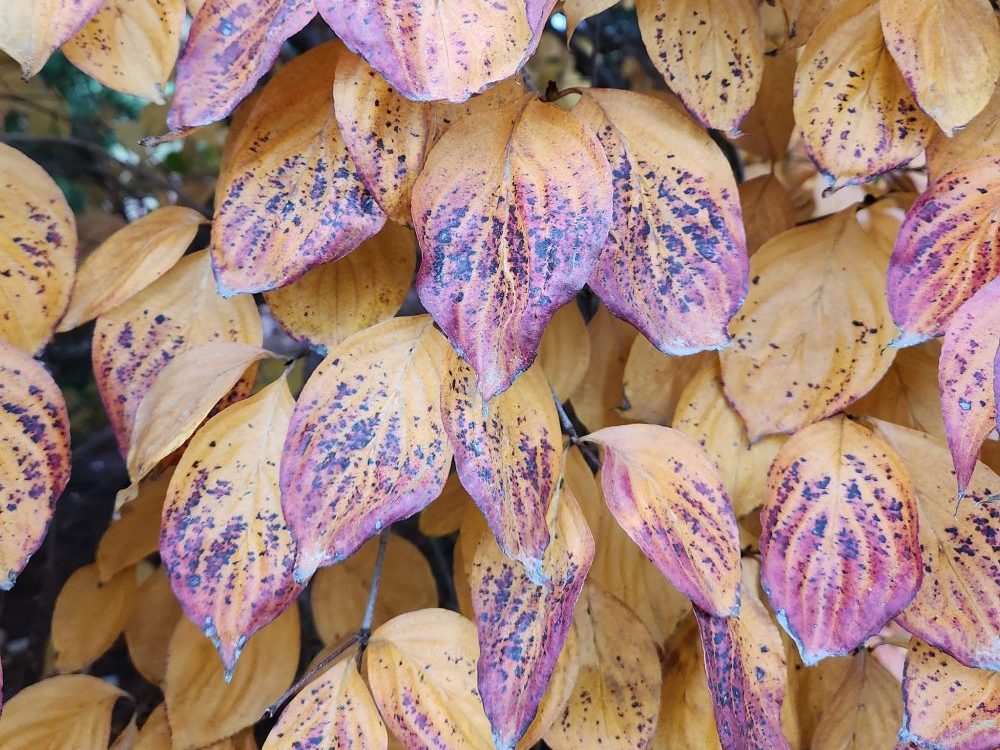
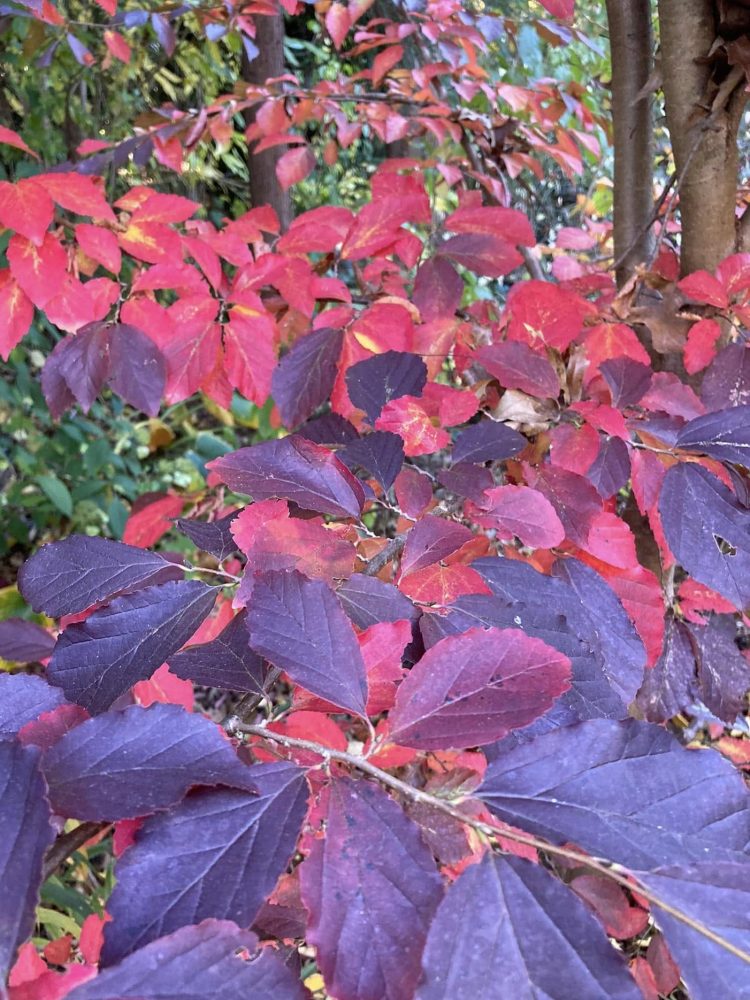
Acer palmatum ‘Peve Starfish’ not only has an interesting leaf shape, but a lovely crimson fall color.Acer palmatum ‘Dragon Tears’ sparkles in the landscape and is shown here with a Ginkgo biloba ‘Vanilla Twist leaf for contrast. Photo by John O’Brien.Not all Japanese maples turn red. Acer shirasawanum ‘Johin’ adds gold tones to the garden tapestry. Photo by John O’Brien.I particularly love the marbled red-orange of Acer japonicum ‘Oregon Fern’. Photo by John O’Brien.I might have to add Acer palmatum ‘Anne Irene’ to my garden since the fall color is magical. I love the pink tinged with magenta. Photo by John O’Brien.Stewartias often display a red fall color. Stewartia rostrata looked particularly striking this year. Photo by John O’Brien.Even deciduous conifers joined the fall party. Metasequoia glyptostroboides ‘Soul Fire’ showed off its salmon color.Dogwoods typically turn a shade of gold in the fall. The purple and yellow on this Cornus kousa ‘Weaver’s Weeping’ is breathtaking. Photo by John O’Brien.The color of Parrotia subaequalis varies greatly. Each tree has red and purple leaves in combination which seem to get more beautiful each year. Photo by Andy Schenck.
I hope these images encourage you to add some fall beauties to your garden. You can go wrong by adding another tree to your landscape and you will likely experience a reliable color display even if the weather conditions aren’t 100% favorable. For some of the more unique specimens pictured, check out John O’Brien’s nursery in Connecticut. Trust me, it’s worth a road trip. Then buy, plant, sit back and enjoy.
When I was studying Graphic Design at Arizona State University in the early 1980’s, I became familiar with the Pantone Color Chart. Similar to the way a paint store matches a specific color, selecting a Pantone number ensured my designs would print exactly as I intended. Fast forward over forty years and Pantone is back in my life – this time with their ‘color of the year.’ Starting 25 years ago, Pantone introduced a genius marketing strategy. Their ‘color of the year’ matches a selected hue to feelings of the time and influences decisions in packaging, interior design, and even my new industry – landscape design.
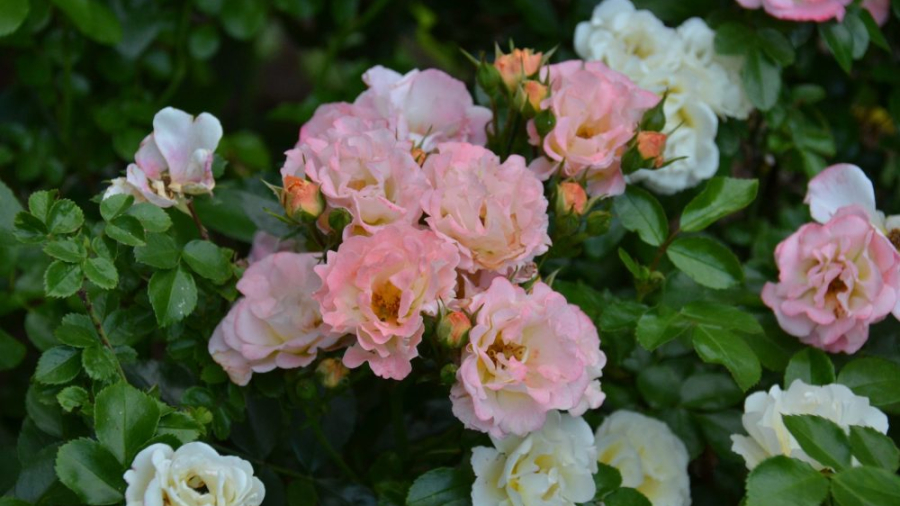
Pantone’s color for 2024 is called Peach Fuzz and the executives in charge produced an extensive marketing campaign and corresponding video. The campaign describes how the featured color “captures our desire to nurture ourselves and others. Its velvety gentle peach tone and all-embracing spirit enriches mind, body and soul. Peach Fuzz reflects our innate yearning for closeness and connection. A color that radiates warmth and elegance, resonates with compassion, offers a tactile embrace, and effortlessly bridges the youthful with the timeless.” Wow is all I can say. That’s a lot of responsibility for a single color. That said, I’m in for adding a little Peach Fuzz to the garden and I have suggestions to keep your garden peachy all season long.
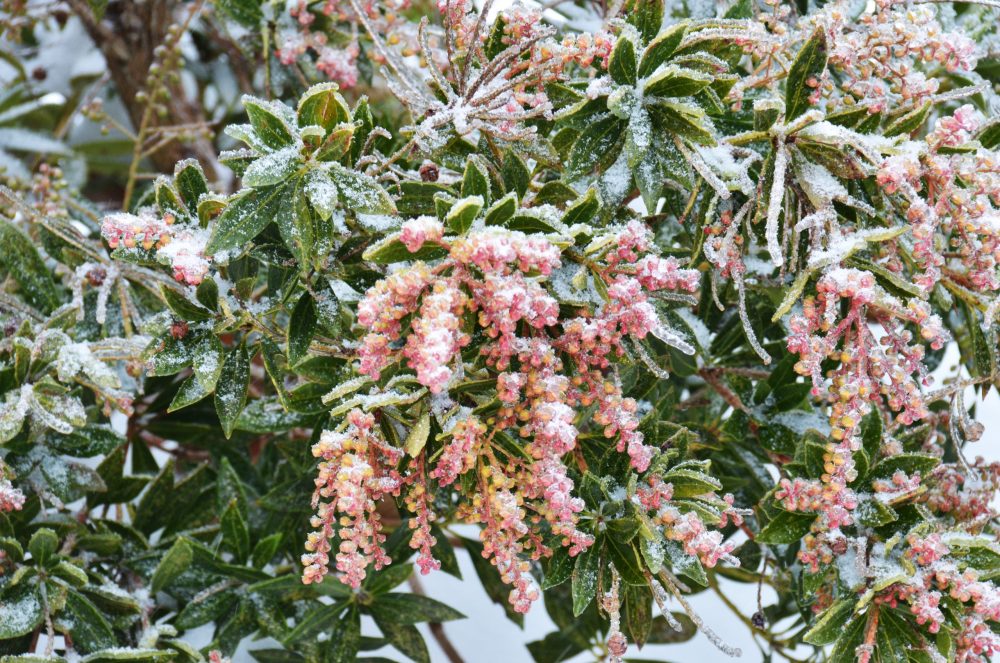
Let’s start with winter, where Pieris offers some peach tones with frosty blooms.
Pieris Dorothy Wycoff blooms dusted in snow.
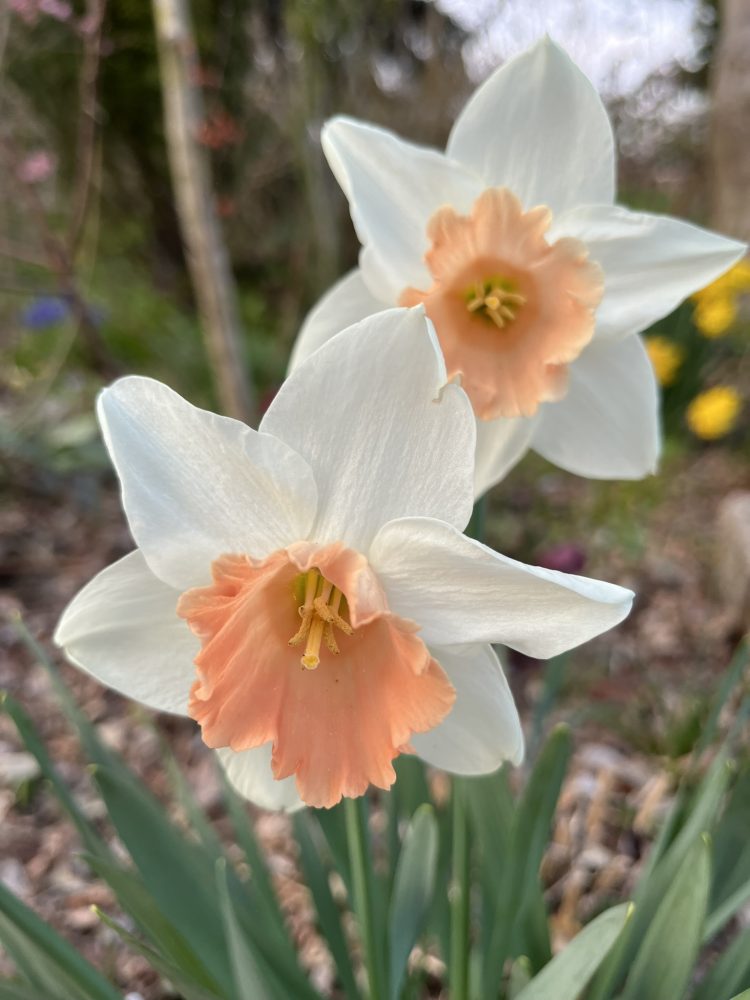
For early spring color introduce some daffodils to your garden beds. Brent and Becky’s and Qdaffs have nice options.
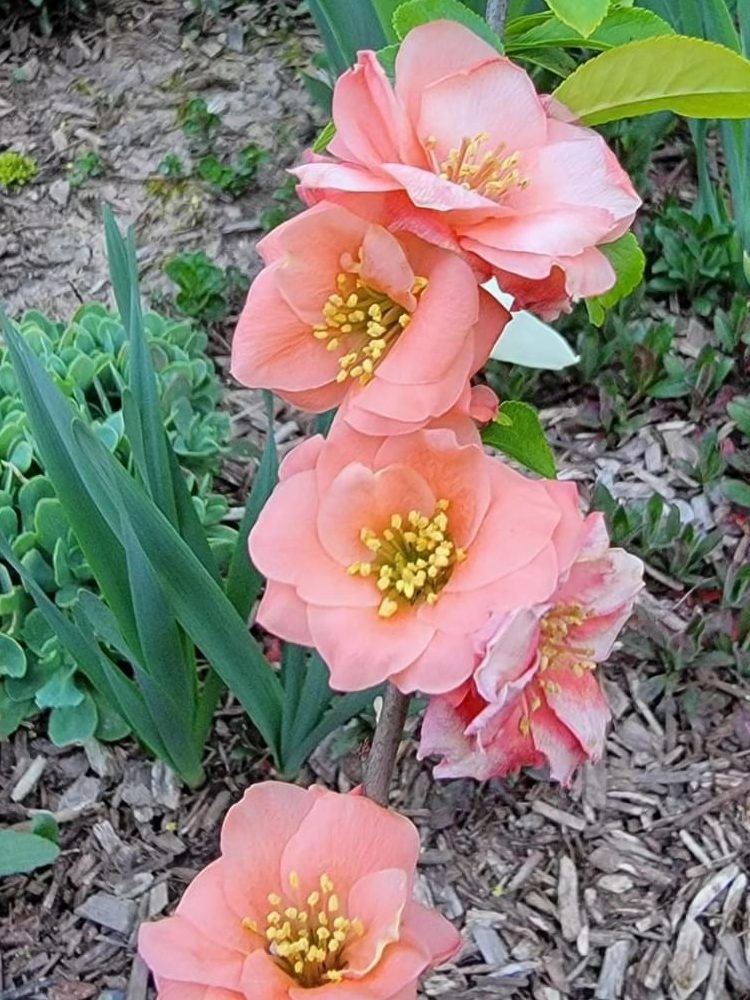
This ruffled peach form is a showstopper.This daffodil features subtle tones.Chaenomeles × superba ‘Cameo’ adds warm hues in early spring. Photo by Astrid Johnson.
Remember that color includes leaves and not just flowers. Some woody plants are most impressive as they are leafing out.
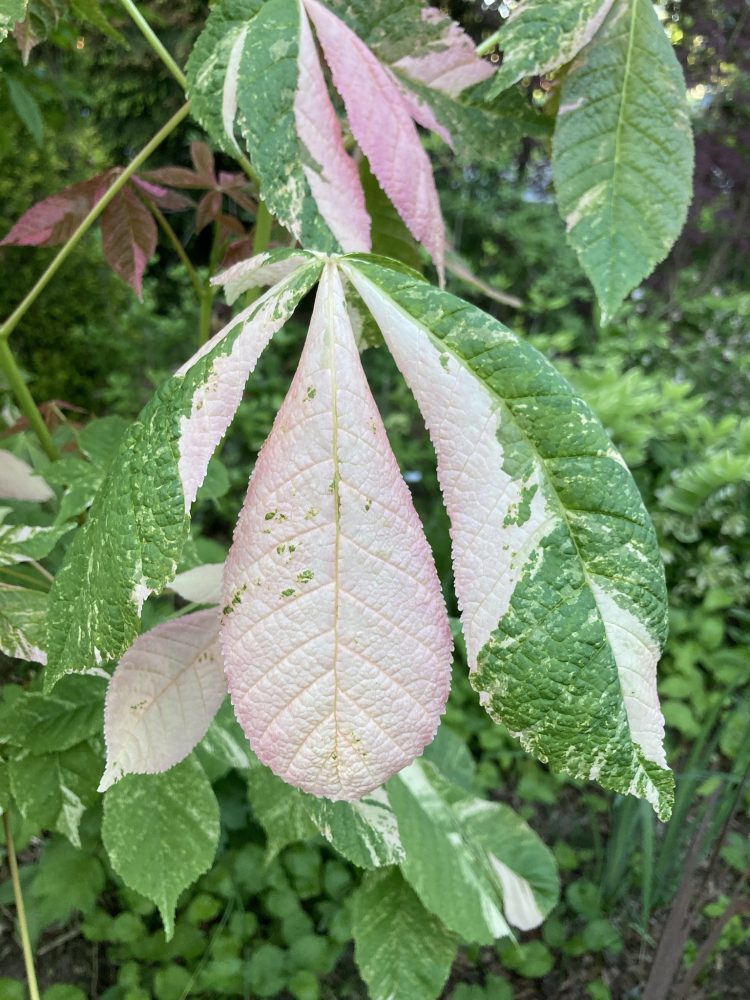
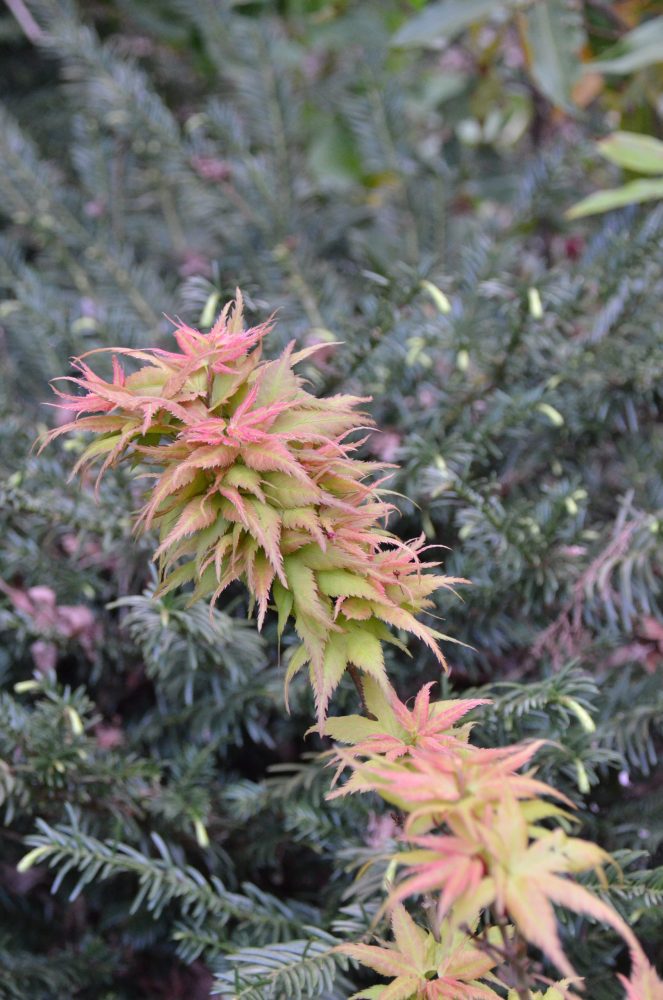
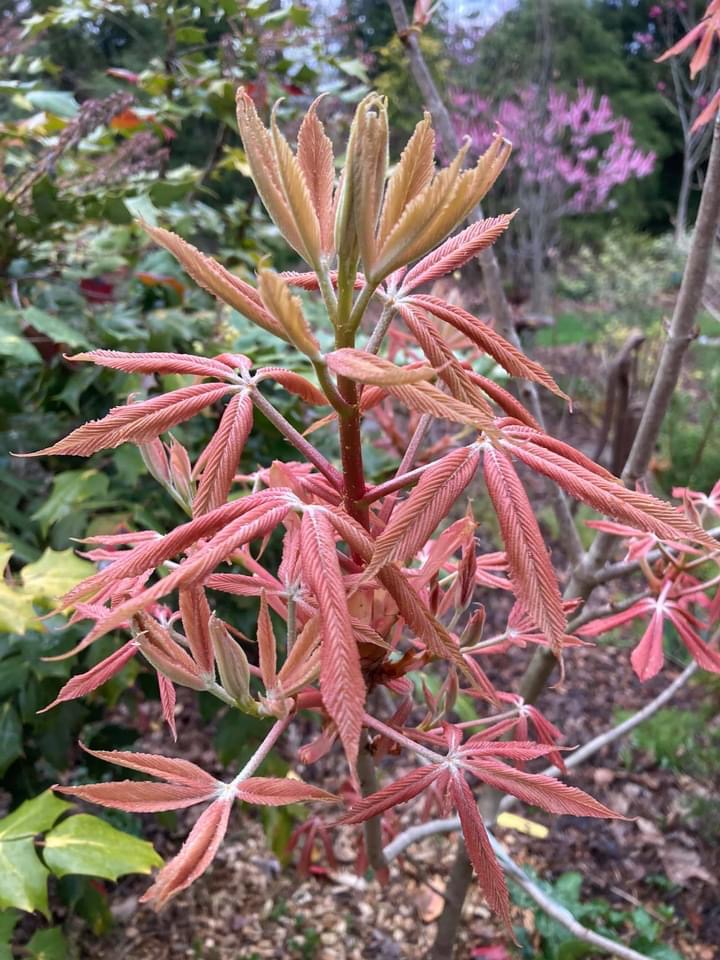
Aesculus ‘Marble Chip’ leaves include pink, green and white tones.Acer palmatum ‘Japanese Princess’ shows off congested foliage.Aesculus erythroblastos leaves unfurl in multiple shades of peach.
Perennials that bring the color of the year into the garden include spring, summer and fall bloomers.
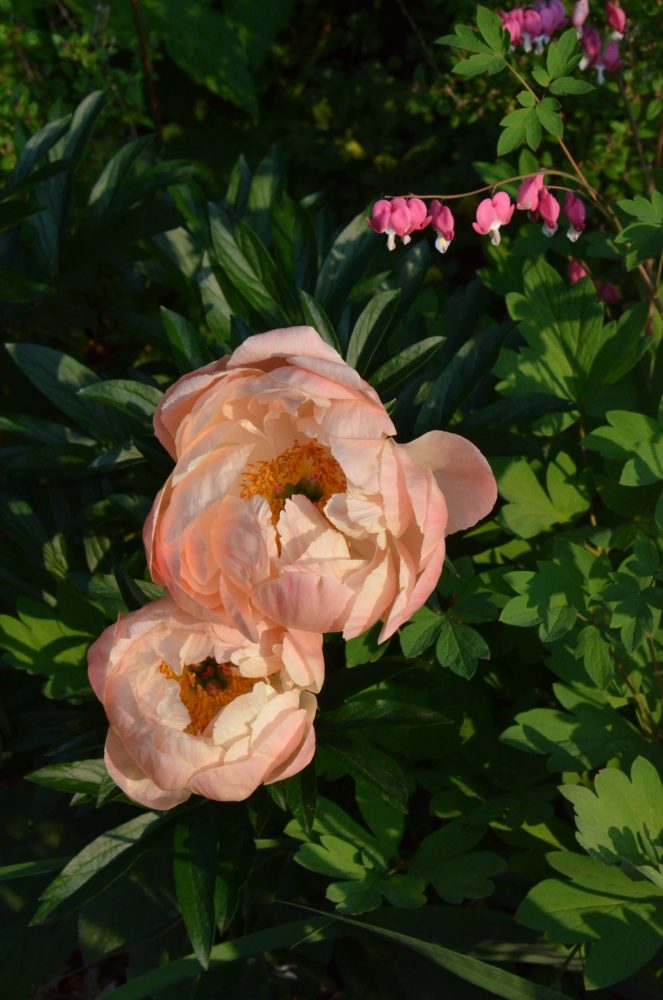
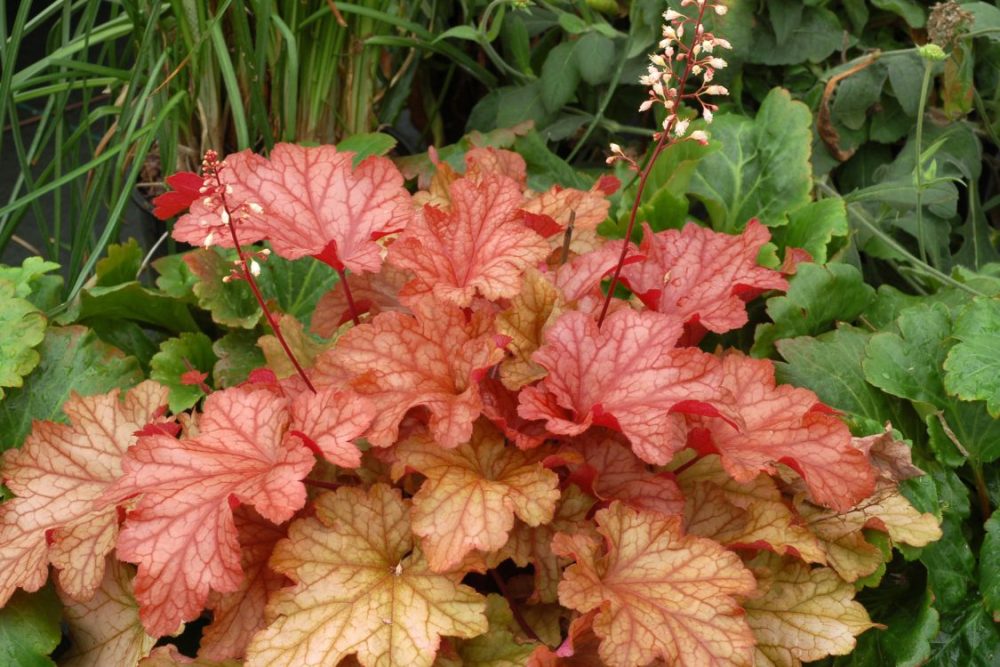
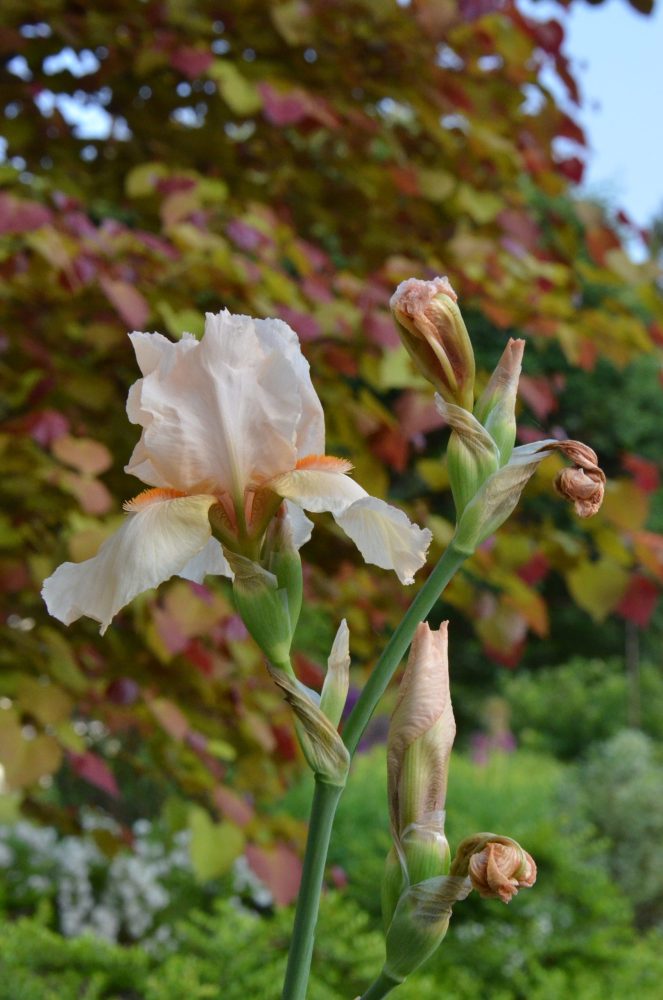
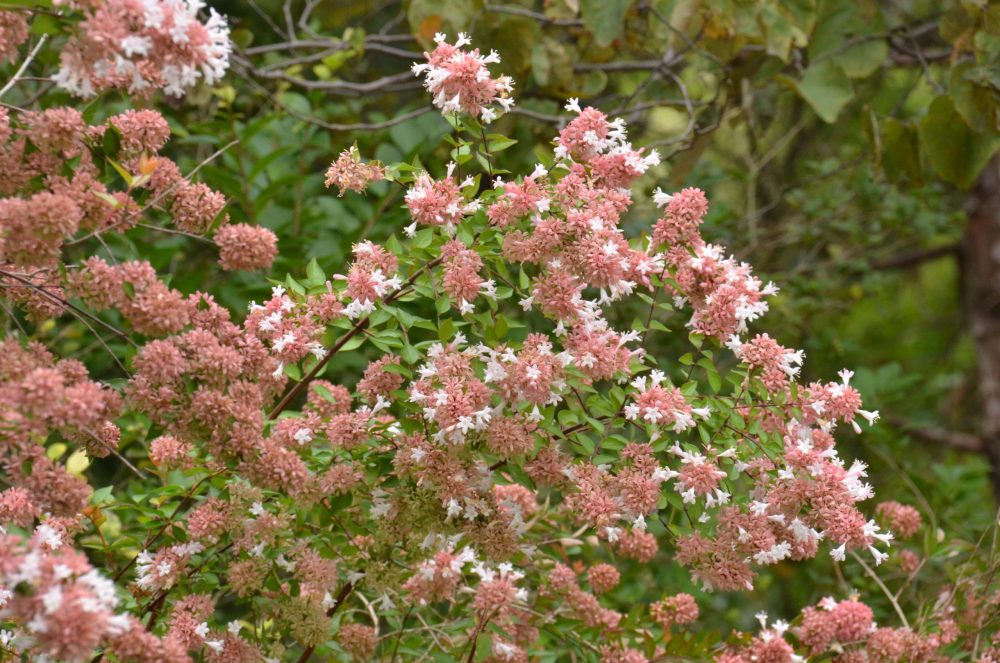
Rhododendron species (native azalea) with light and dark peach tones.Coral Charm Peony with softly blushed petals.Heuchera ‘Paprika’. Photo provided by Terra Nova.A beautiful peach bearded Iris.Echinacea FRESCO ‘Apricot’. Photo provided by Terra Nova.Sheffield Pink mum steals the show in the fall.Abelia ‘Rose Creek’ blooms for an extended period in the fall and adds warmth to the cool season months.
Annuals and tropical plants happily join the peach party too.
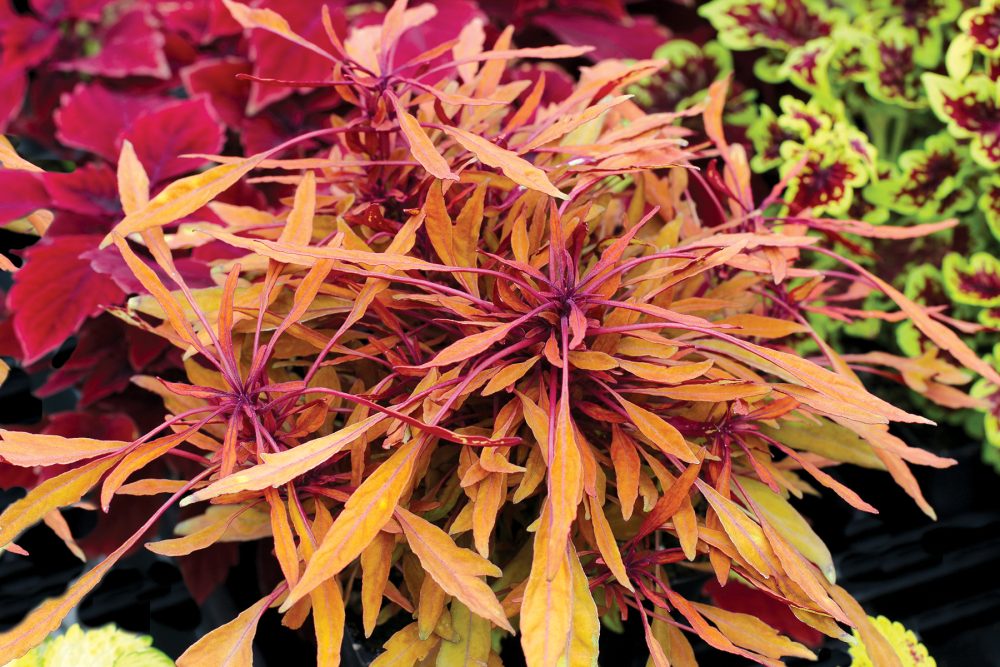
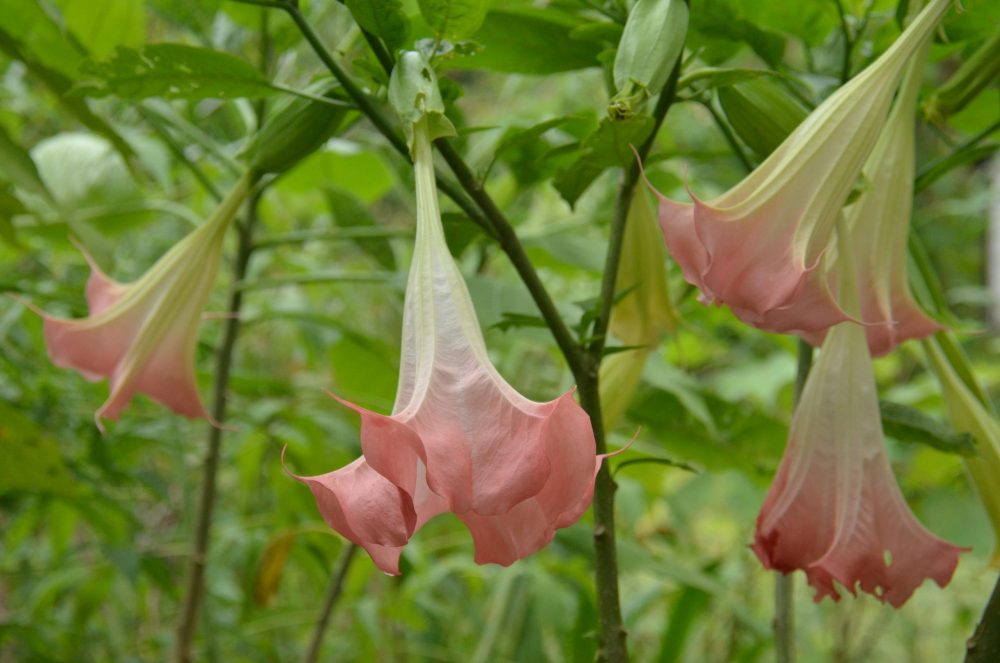
Coleus FANCY FEATHERS Copper really struts its stuff. Photo by Terra Nova.This Brugmansia not only adds peach to the garden, but also incredible fragrance at night.
I hope you have your list together and are ready purchase some plants that highlight Pantone’s 2024 color. Since the warm tone of Peach Fuzz represents moments spent with friends and celebrates simple acts of kindness, I invite you to visit my garden and see all the ways I’ve introduced Pantone’s color into my landscape. I’ll even serve you some while you are here – a bundt cake filled with peaches and a little Peach Schnapps for added warmth! How’s that for warm and fuzzy?
For those who asked – here’s the recipe:
Shopping Basket
Cookie Consent
We use cookies to improve your experience on our site. By using our site, you consent to cookies.