
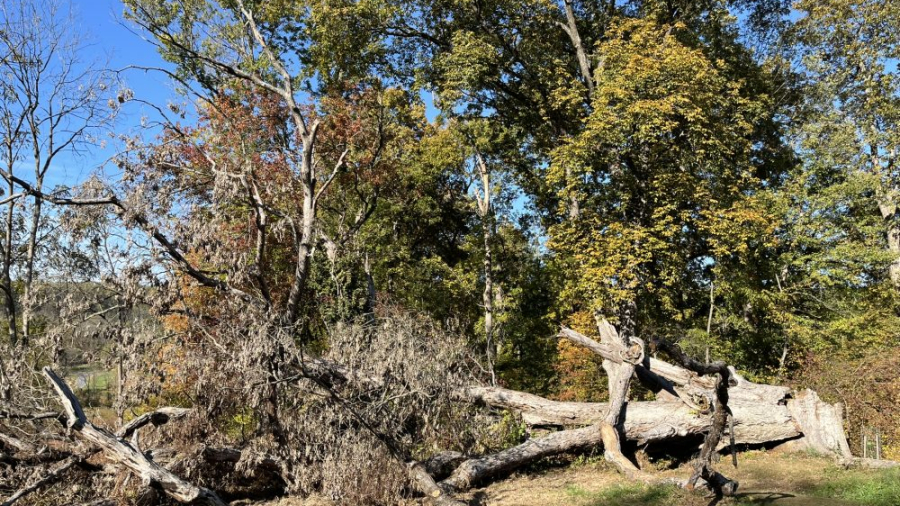
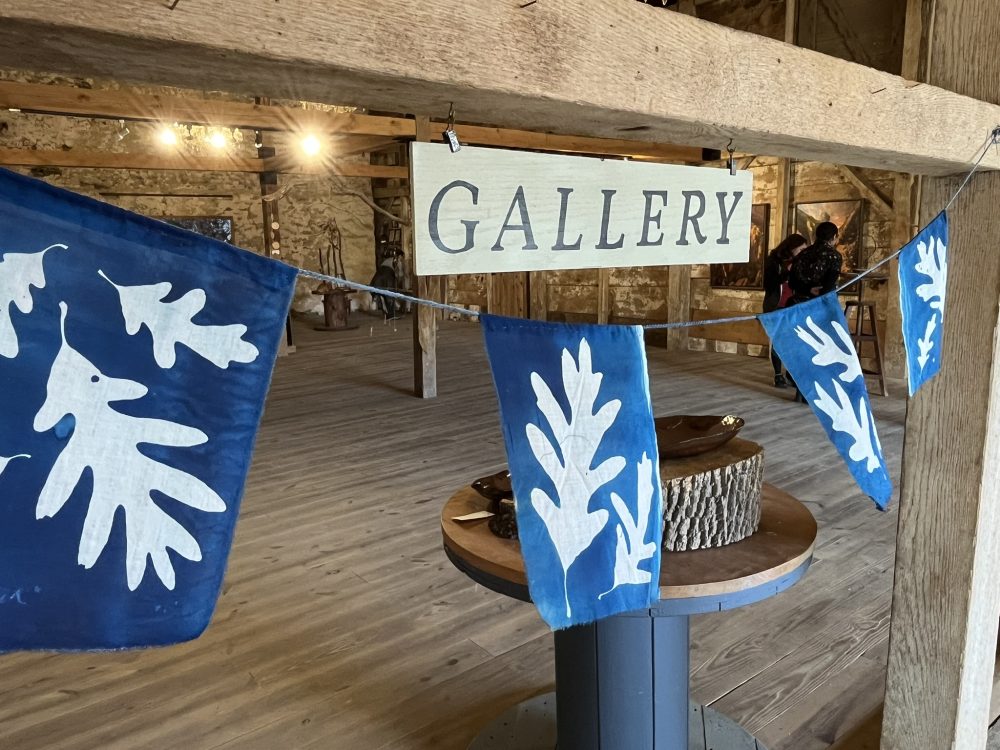
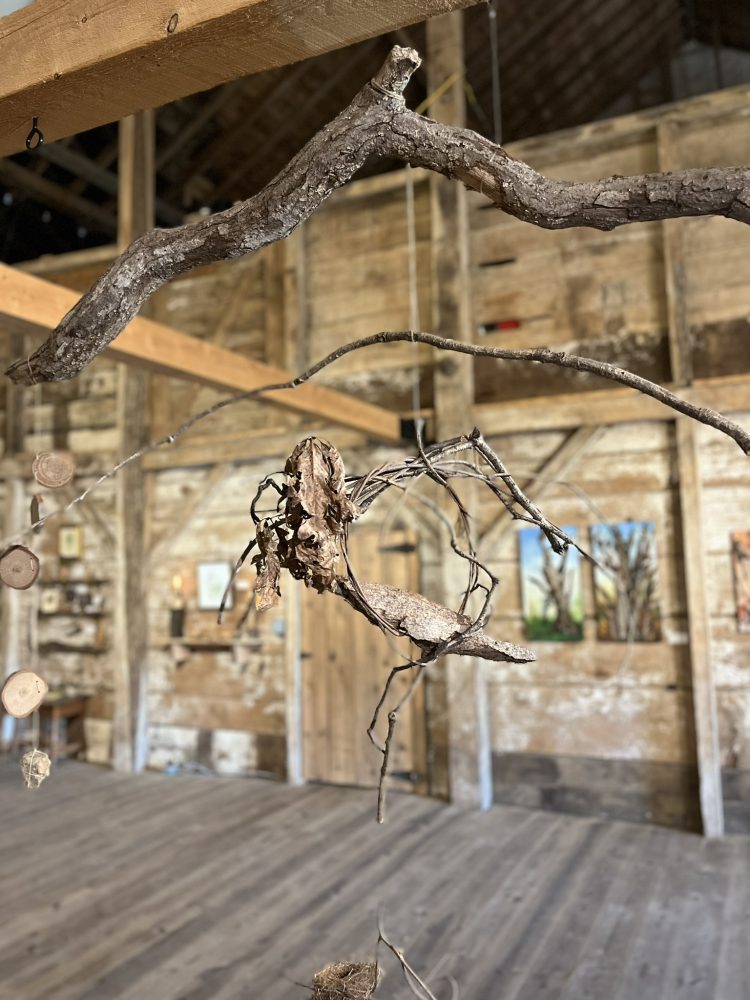
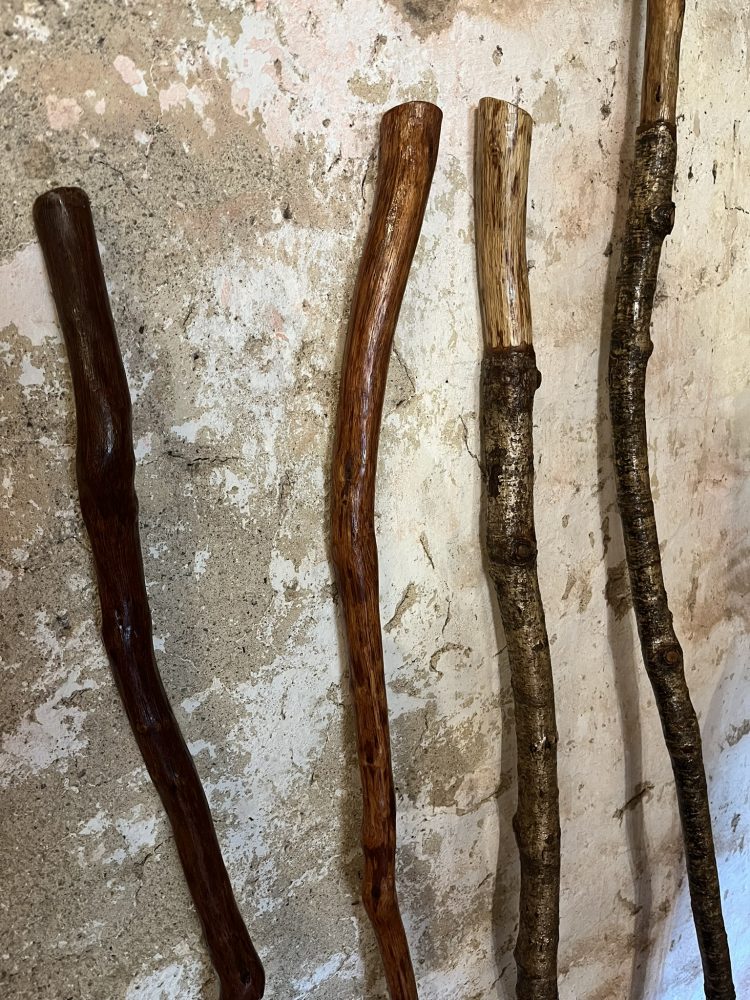
Last fall, I visited an art exhibit called “Remembering Anna’s Oak” at the Warwick Furnace in Glenmoore, PA. The exhibit honored a beloved historic tree through commemorative works of art, including pieces made from its bark, leaves, and branches.

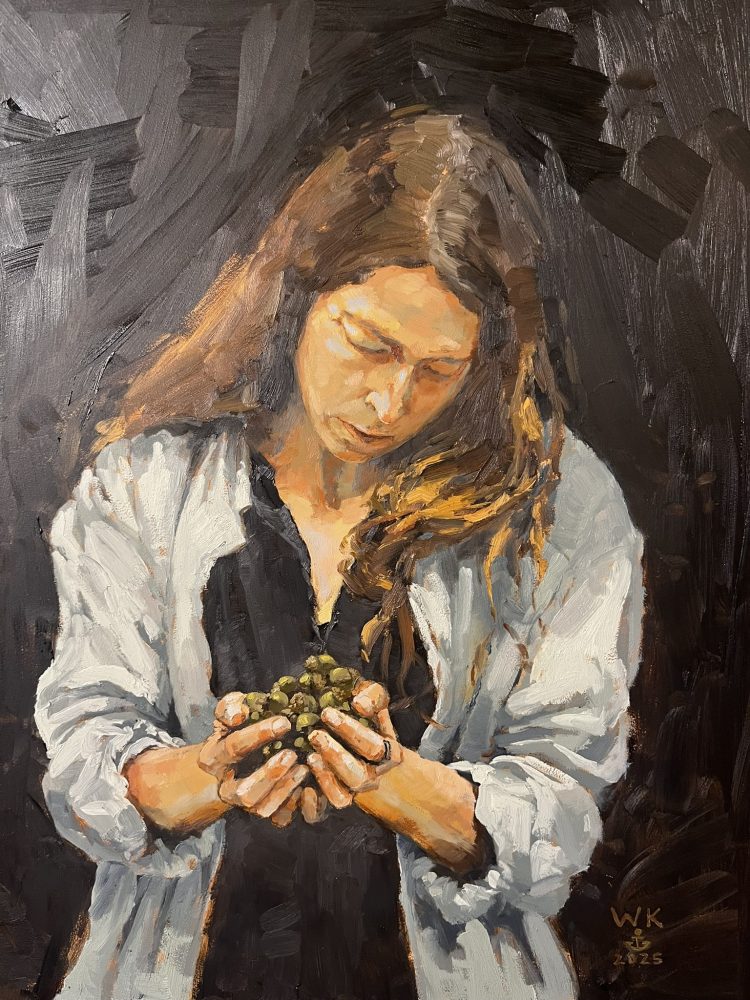
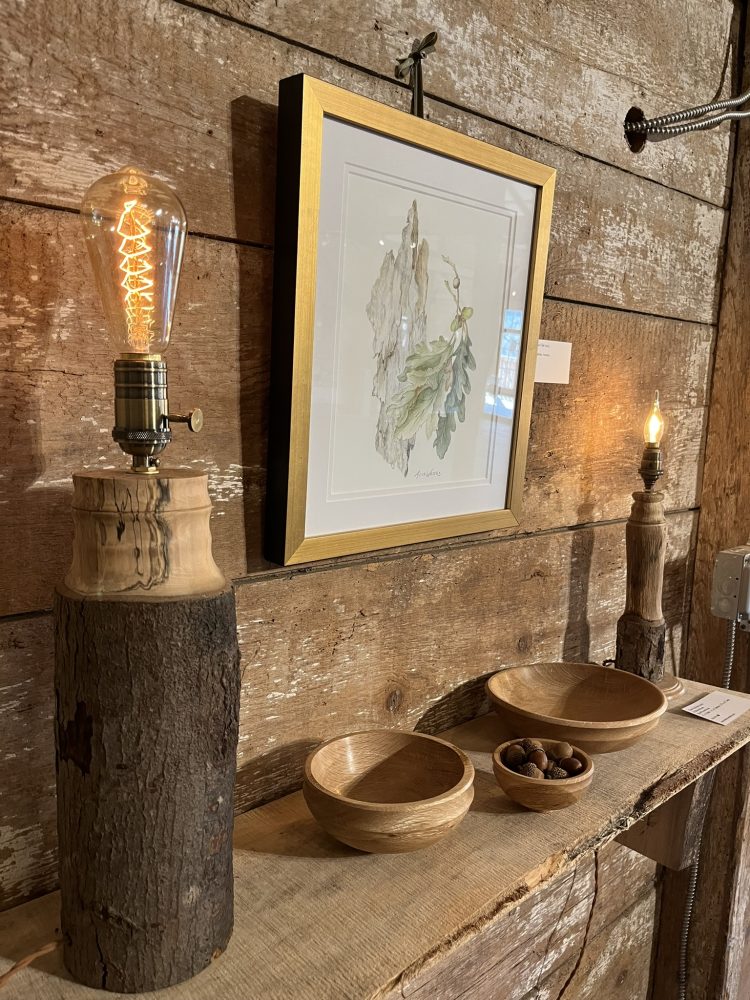
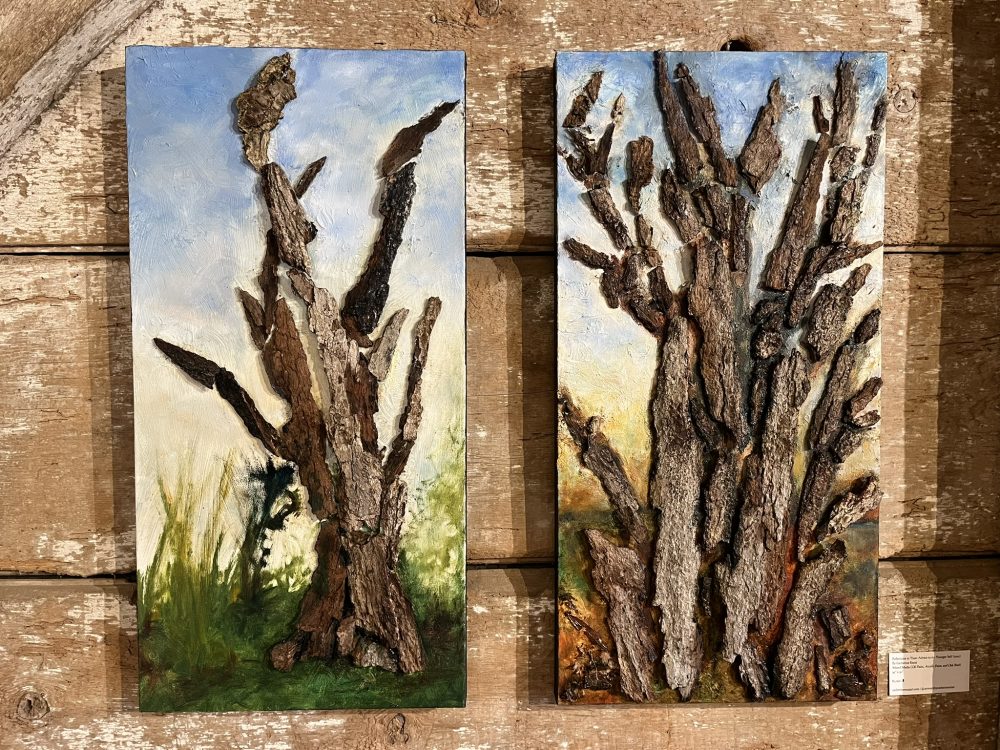
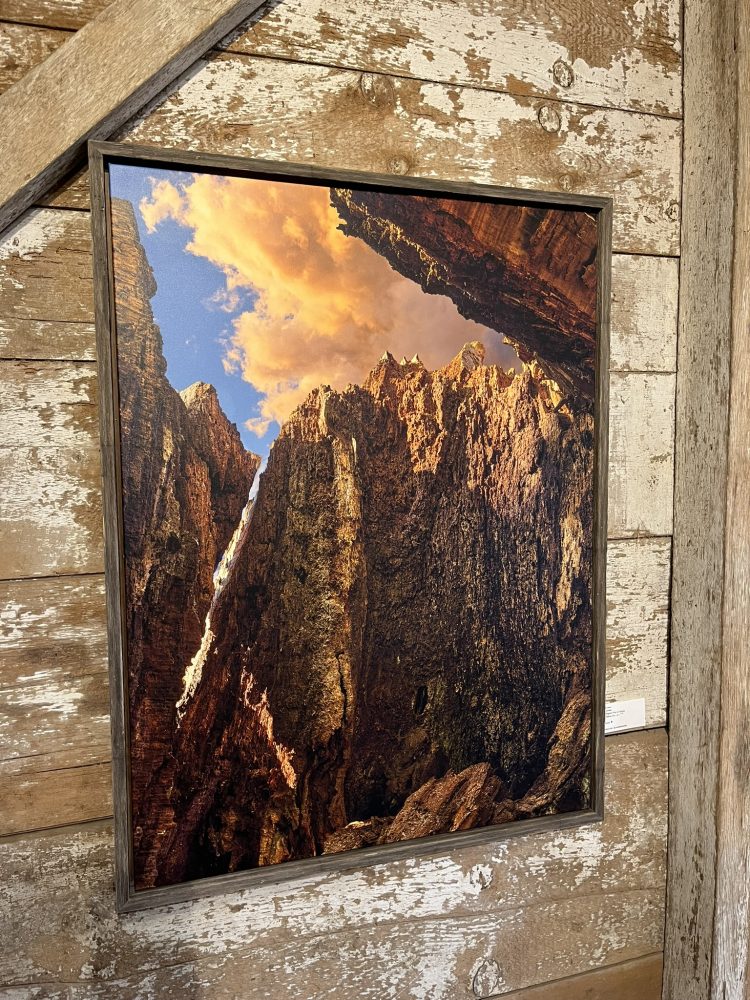
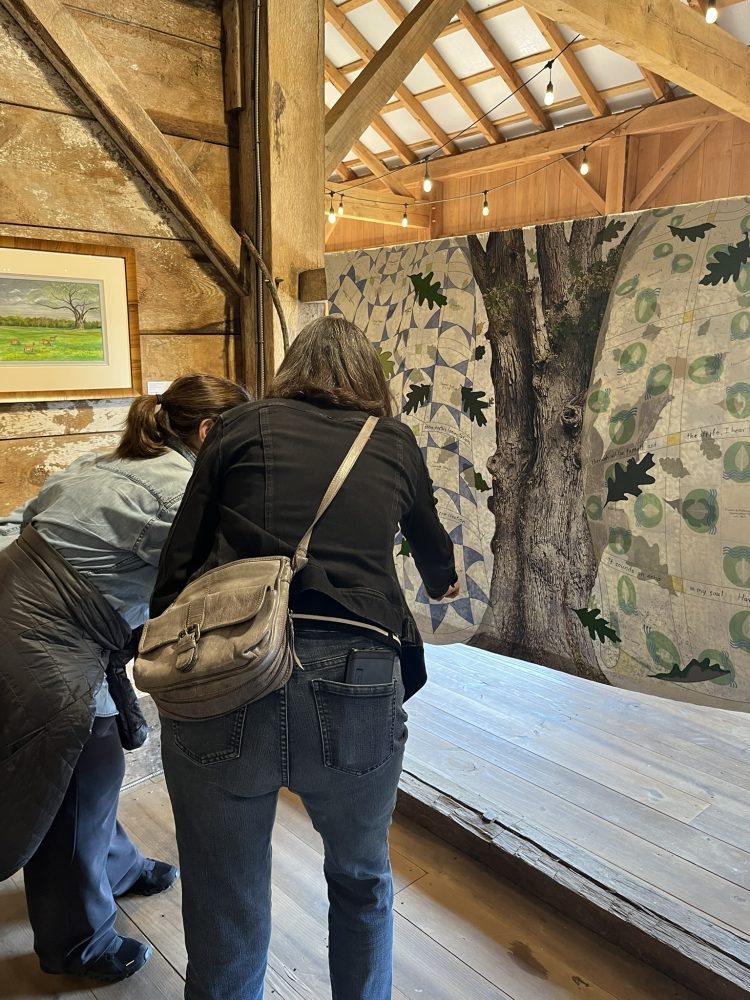
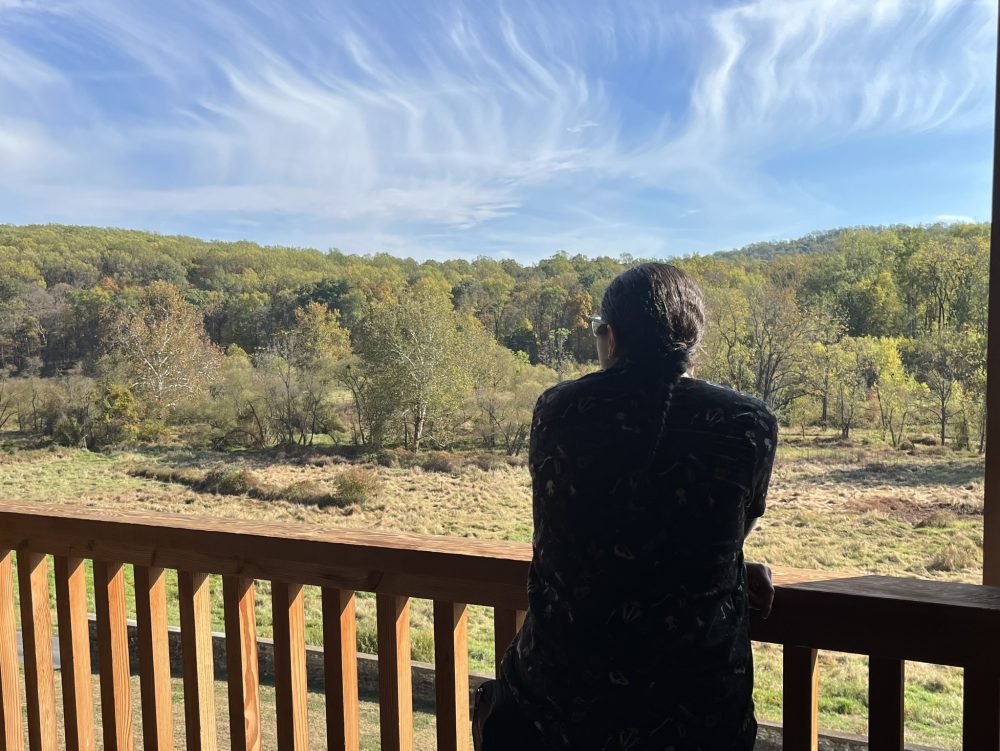
Anna’s Oak was believed to be Chester County’s largest living white oak. The tree likely took its name from Anna Nutt, founder of the historic Warwick Furnace. On Tuesday morning, August 13, 2024, the 350-year-old oak crashed to the ground because its trunk had become mostly hollow. Although I never saw the tree when it was alive, its 97-foot height and 264-inch circumference still impressed me as it lay calmly in the field.
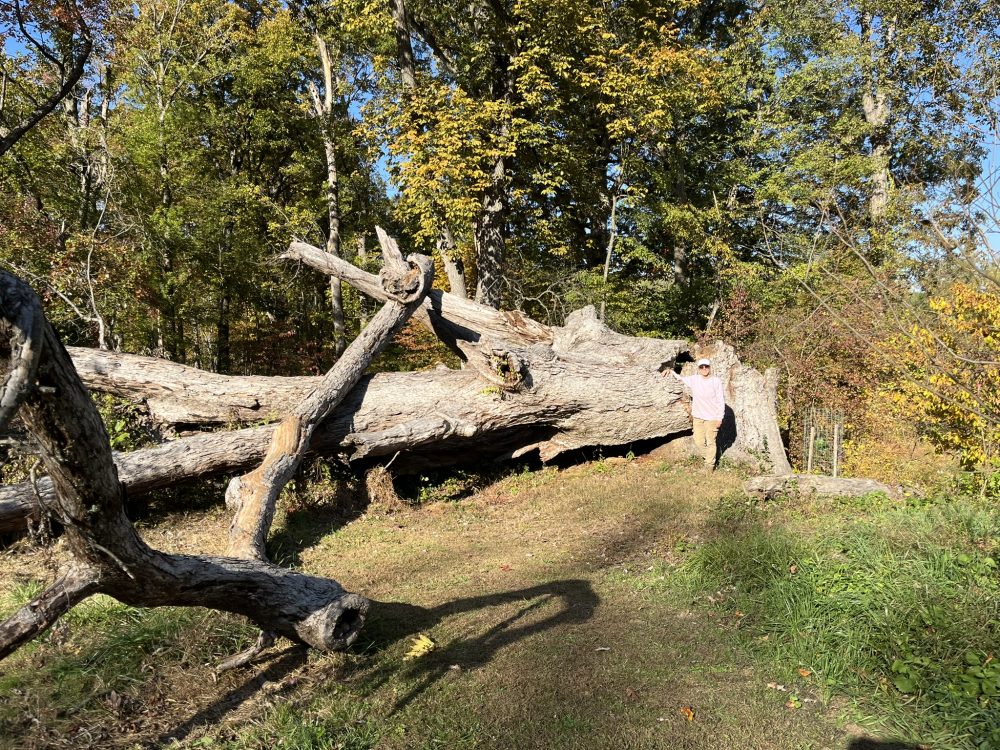
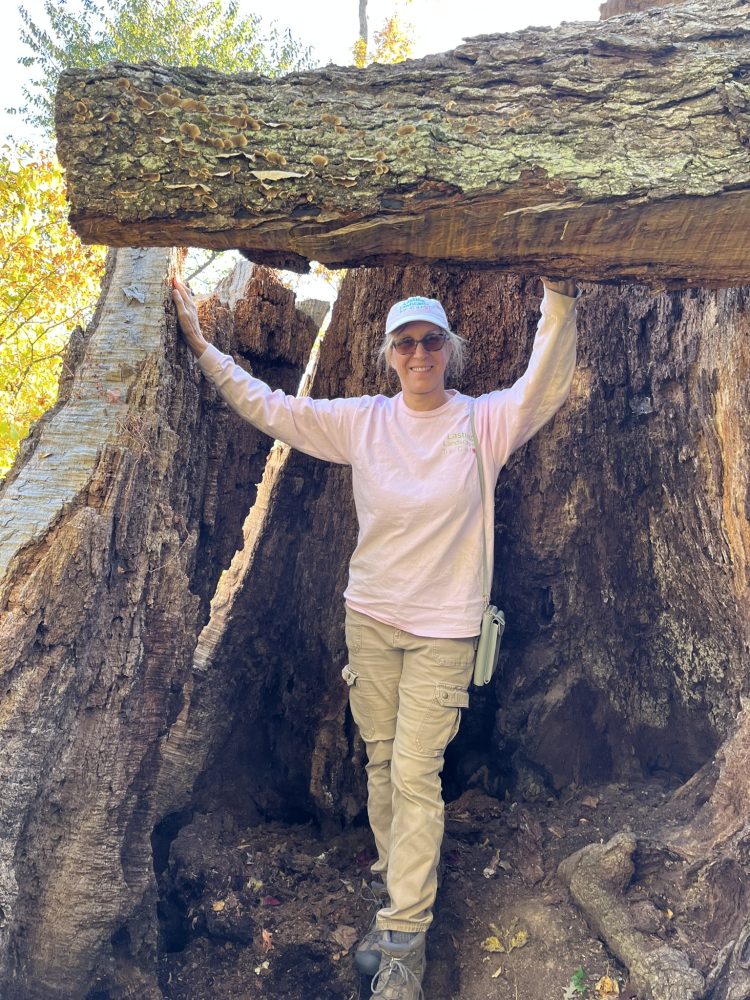
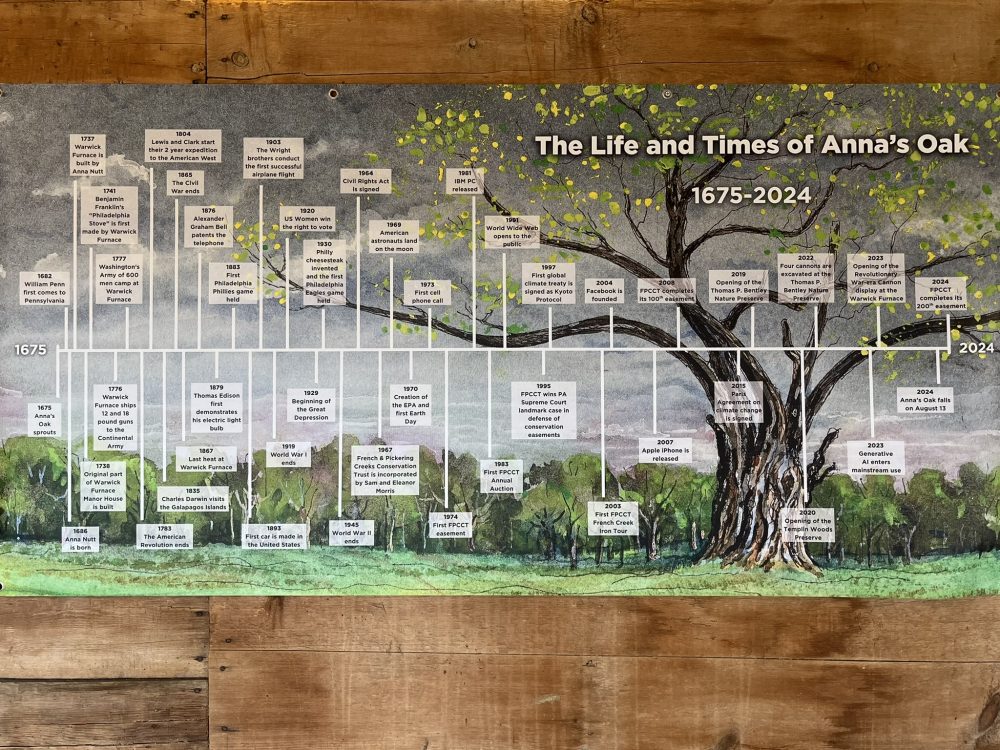
I grew emotional as I viewed the exhibit and read the timeline of historic events the tree likely witnessed. The artwork moved me; it captured the spirit of the oak beautifully. I loved seeing how the tree lived on through art, and I felt comfort knowing its remains will nourish new life in the field where it fell. As my friend and I wandered around the site, we noticed new life already emerging—a couple oak saplings now grow proudly near the base of the original tree.

Seeing the majestic fallen oak made me reflect on my own garden and the trees I’ve lost during the 25-plus years I’ve lived in my home. One tree in particular—an ash—stands out. I remember my dad saying he hoped I’d never lose that tree, since its V-shape marked the garden as mine: the Verhake garden. Unfortunately, I eventually had to remove it, as the V-shaped union created a weak structure and arborists considered it likely to fail—a risk I couldn’t take.

Yet, like Anna’s Oak, my ash tree lives on. My friend Carlos Soler turned part of it into a set of bowls I cherish, and the stump grindings nourished the soil where other trees now thrive. As we enter a new year, I’m reminded to be like the trees: remember and honor the past, keep part of it alive, and embrace the new life a new year brings—a year rooted in what came before.