
Gardens provide a wonderful platform for storytelling, and now, more than ever, we need stories of hope, beauty and the power of community.
Hattie Ghaui, CEO, Project Giving Back
I recently had the opportunity to attend the Chelsea Flower Show, and it more than lived up to expectations. Among the many stunning displays, I was particularly inspired by the large-scale gardens created to support charitable causes.
These charity gardens were funded through grants from Project Giving Back (PGB), an initiative backed by anonymous philanthropists. Through its support, PGB has helped charities such as Asthma + Lung UK, The Children’s Society, Parkinson’s UK, and many others raise awareness, reach new audiences, and attract potential donors.
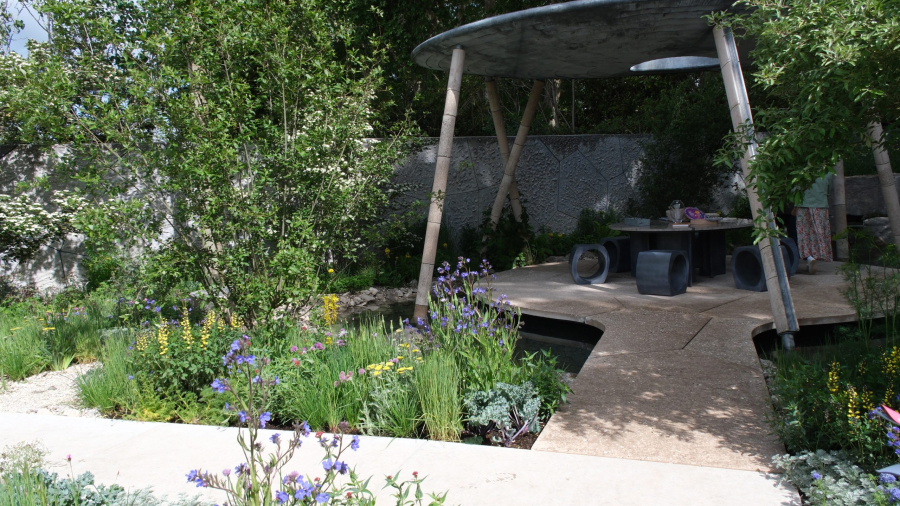
The Asthma + Lung UK garden was designed as a woodland retreat that offers a true “breathing space” for people living with lung conditions. A tranquil platform invited visitors to relax, reconnect with nature, and enjoy a sense of calm. To support those with respiratory sensitivities, the designers carefully selected low-allergen plants throughout the garden. Following the show, the garden will be relocated to the Breathing Space lung rehabilitation center in Rotherham, ensuring its benefits continue long after Chelsea closes its gates.
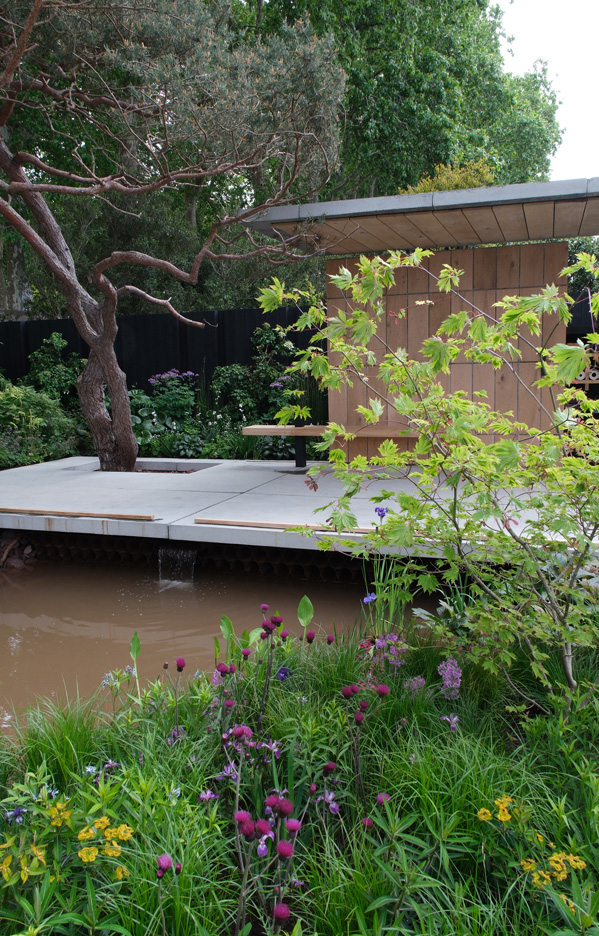
The Children’s Society garden created a welcoming environment where teenagers could pause, reset, and feel at ease—whether spending a quiet moment alone or talking with trusted counselors. The garden’s design thoughtfully reflected young people’s emotional needs. The result was a peaceful sanctuary intended to restore optimism, confidence, and connection.

Awarded a Gold Medal, the garden will find a permanent home at The Children’s Society Youth Support Center in Leighton Buzzard. There, it will serve as an outdoor hub for group activities and one-to-one sessions with trained specialists, extending the garden’s message of hope, safety, and belonging.
The Parkinson’s garden was designed for people living with Parkinson’s and their loved ones. Inspired by workshops with individuals affected by the condition, the garden provides a restorative sanctuary that responds to the unique challenges of Parkinson’s disease.
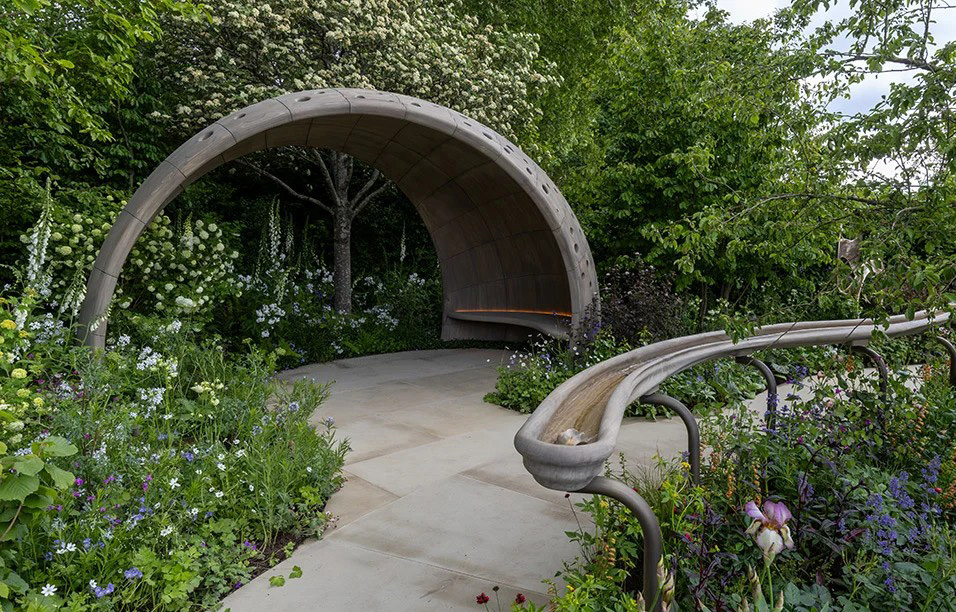
A wide, accessible pathway winds through contrasting planting schemes and is linked by a sculptural “hand-rill” that functions both as a flowing water feature and a tactile handrail. The movement and sound of water provide sensory cues that may help alleviate “freezing,” a common symptom of Parkinson’s.
A woodland arch creates a sheltered place to rest and reflect. Soft lighting illuminates the structure after dark, acknowledging the challenges of insomnia often experienced by those with Parkinson’s and allowing visitors to enjoy the garden during sleepless hours. After the show, the garden will be permanently relocated to the John Radcliffe Hospital, where it will continue to support patients and their families.
What I admire most about the Project Giving Back gardens is that they are not simply temporary showpieces. Each garden is designed with a lasting purpose and a permanent future, ensuring that its impact continues long after the Chelsea Flower Show ends.
Unfortunately, 2026 marks the final year of PGB’s sponsorship of charity gardens. Since 2022, the organization has funded more than 60 gardens, including 12 at the 2022 Chelsea Flower Show, 15 in both 2023 and 2024, and 10 each in 2025 and 2026.
Founded by two private philanthropists, PGB was established with a singular mission: to use the power of gardens as a platform for charitable causes. Their vision has provided charities with a springboard to raise awareness, engage new supporters, and attract donations. Through these remarkable gardens, PGB has championed people, plants, and the planet while shining a spotlight on charitable organizations, community groups, and educational programs across the UK.