
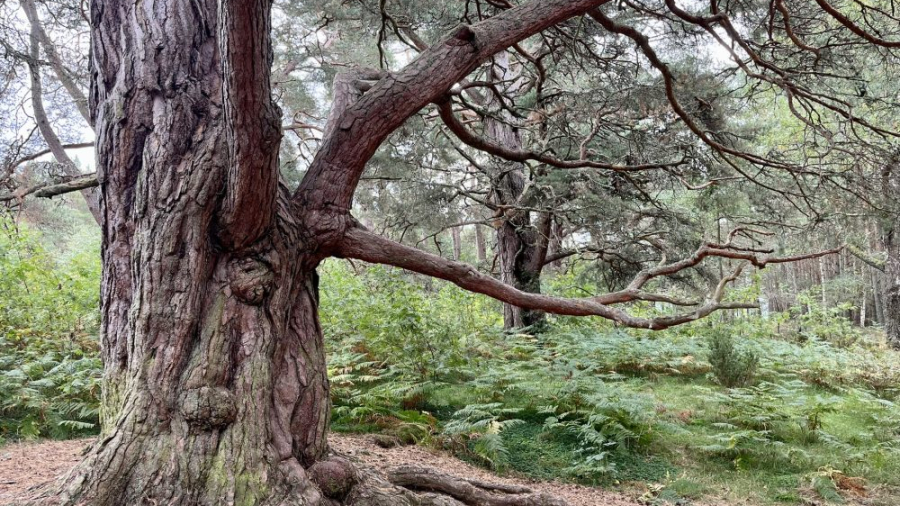
When I applied to college, Harvard University never made my list. Today, it would sit at the very top—not for prestige, but for a freshman seminar called “Tree.”
This one-credit course, created by Arnold Arboretum director Ned Friedman, invites students to do something radical: form a relationship with a tree. First offered in 2020, the class pairs each student with one living organism from the Arboretum’s 16,000-tree collection. The goal is simple but profound—build a lifelong connection with the natural world while stepping away from the noise of the digital one.
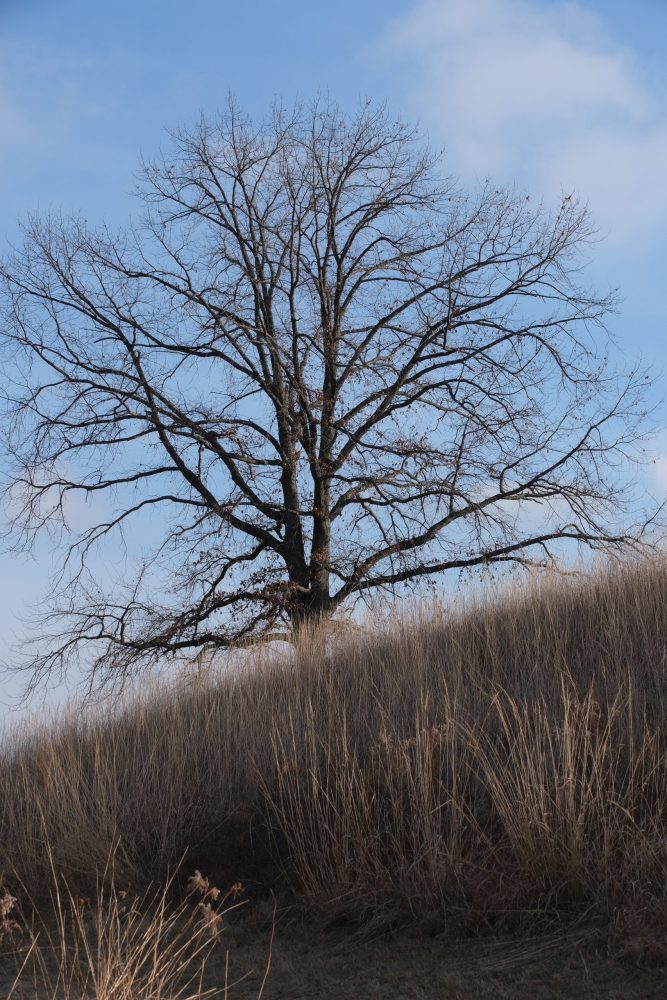
On the first day, students walk a mile through the Arnold Arboretum as Friedman explains the semester ahead. Each student chooses a single tree to observe, study, and return to again and again. Over time, that tree becomes more than an object of study—it becomes a partner.
The course blends science, poetry, and storytelling to deepen that connection. But its real focus runs deeper. Friedman challenges students to ask bigger questions: What does it mean to live a good life? A meaningful life? A connected life?
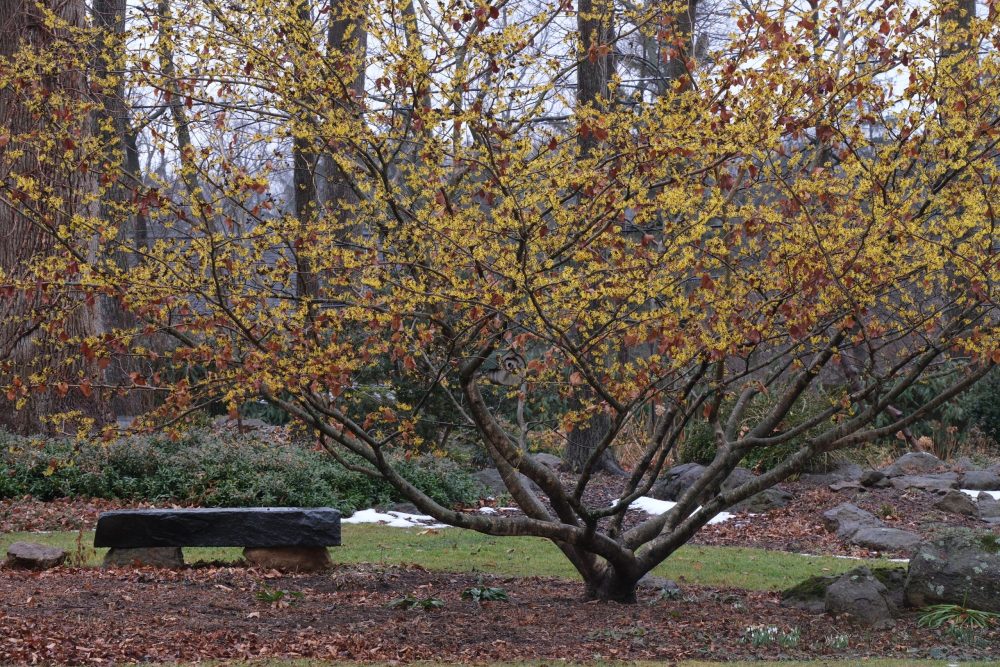
In an interview with Margaret Roach, Ned described his hope to share what he feels when standing beside a witch-hazel glowing gold against fresh snow. He wants students to feel awe. To slow down. To notice. To carry that awareness forward—not just for a semester, but for life.
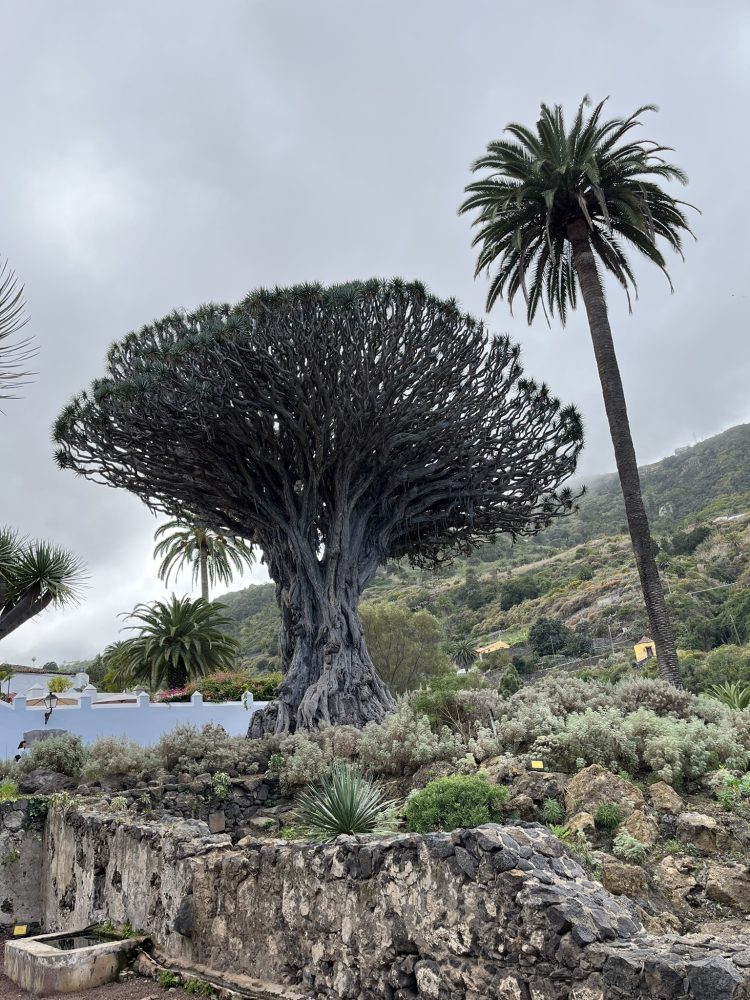
Students choose their trees in deeply personal ways. Some look to heritage—a Korean or Chinese student might choose a tree native to home. Others respond to shape, size, or presence. One Native American student chose a maple, honoring its cultural significance and traditions.

A short story in the course called “A Tree, A Rock, A Cloud,” teaches a quiet but powerful lesson: practice love by turning first to the natural world. Love something that cannot love you back. In doing so, you learn to give without expectation—a skill that feels increasingly rare in a world quick to judge, reject, or divide.
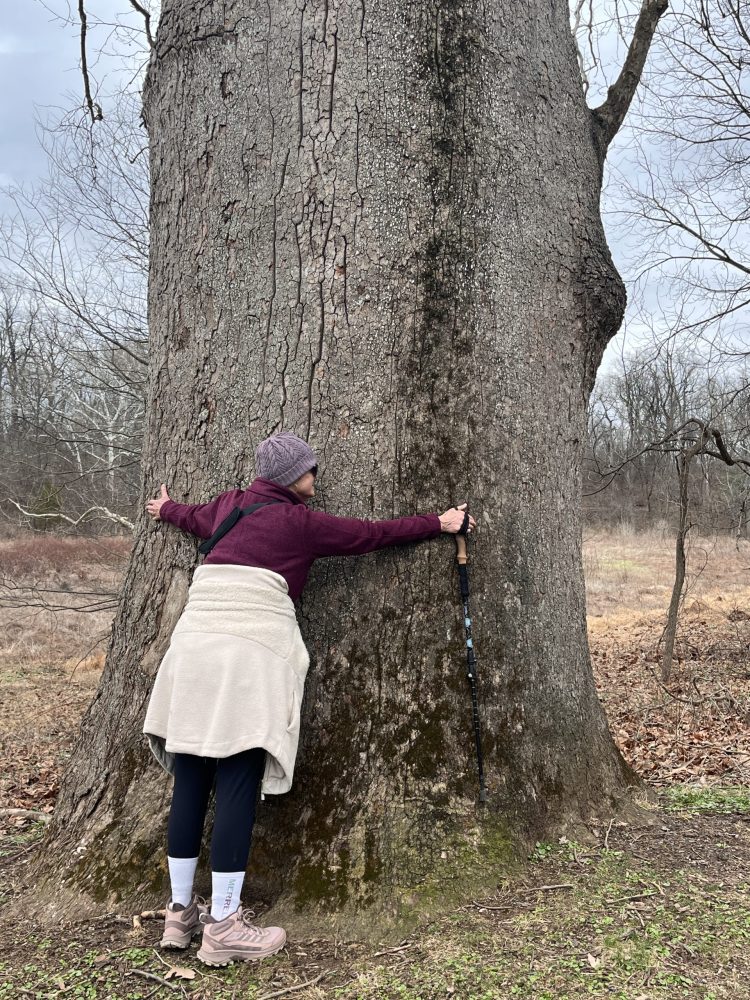
Step outside. Walk into your backyard, a park, or a local arboretum. Find a tree. Return to it. Pay attention. Connection starts small. But if we practice it—patiently, intentionally—we might just grow into people who make the world a little more hopeful, and a lot more kind.