
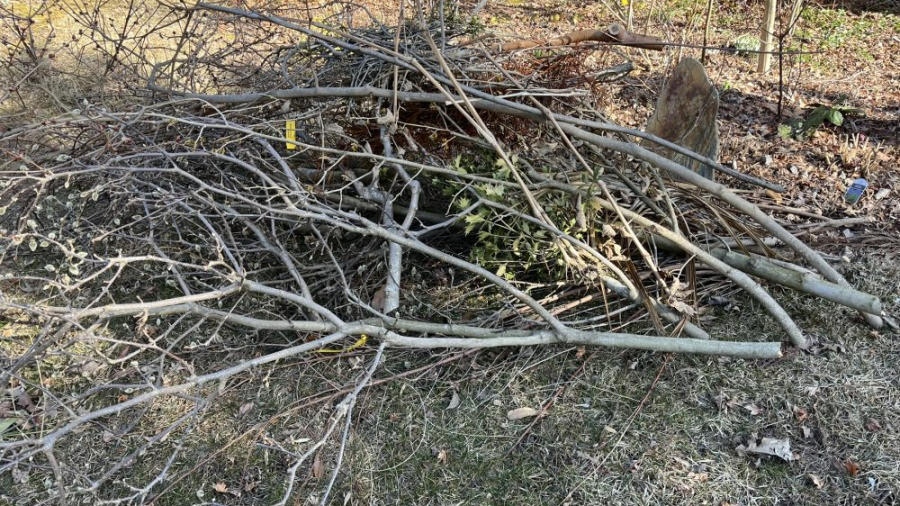
Winter is a great time to prune. Lack of foliage on deciduous trees and shrubs reveals the form of a plant and makes it easier to assess overall structure and any areas of concern. First and foremost, you will want to trim off any dead, broken or crossing branches which could impact your plant’s health. Be sure to disinfect your tools before making cuts. I use anti-bacterial wipes for this since they are readily available and easy to use. Make sure your tools are sharp, so you make a clean cut and don’t tear or shred any branches.


Another reason to cut back a shrub or tree is to control growth or enhance certain features. Pollarding is a technique for managing size by significantly cutting back branches. This method is typically performed annually once a plant reaches a certain size. Some people pollard trees to keep them a certain height, while others do it to encourage larger foliage.
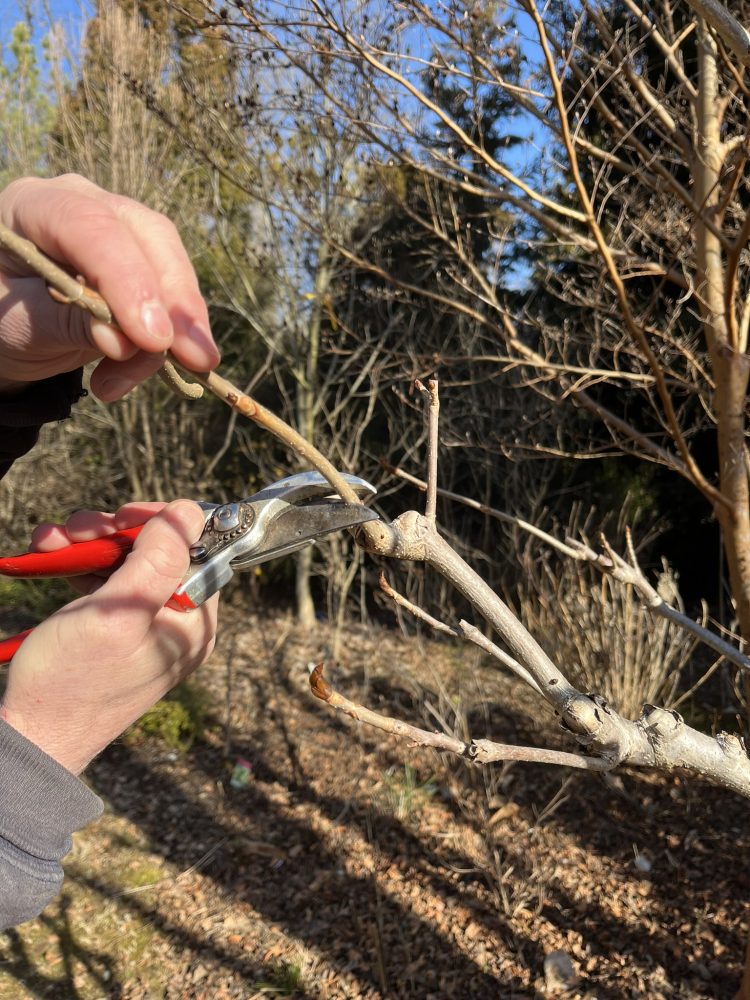

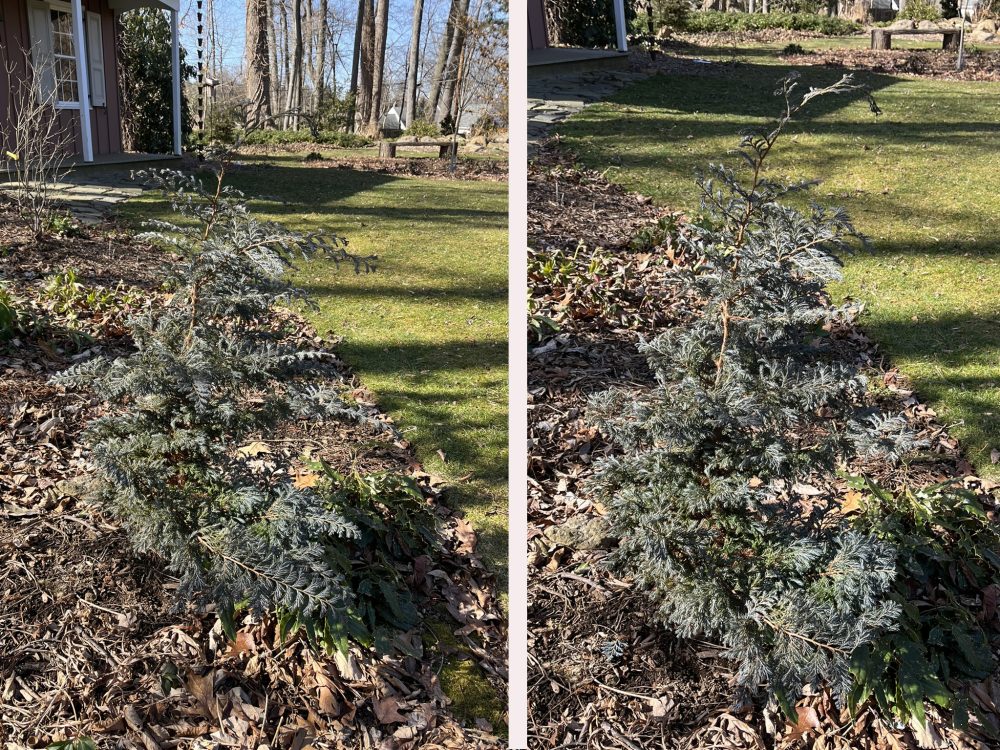

Pruning often involves removing certain branches if they are hanging over a house or walkway or to expose a special feature such as attractive bark. Air circulation is very important for plants. Pruning out crossing or smaller branches ensures an open habit and shows off the shape of a tree better. Pieces of branches being cut can even be used as spacers to enhance a plant’s look. If you want to train a tree to have a single leader, you can remove a secondary branch to force the desired growth habit.


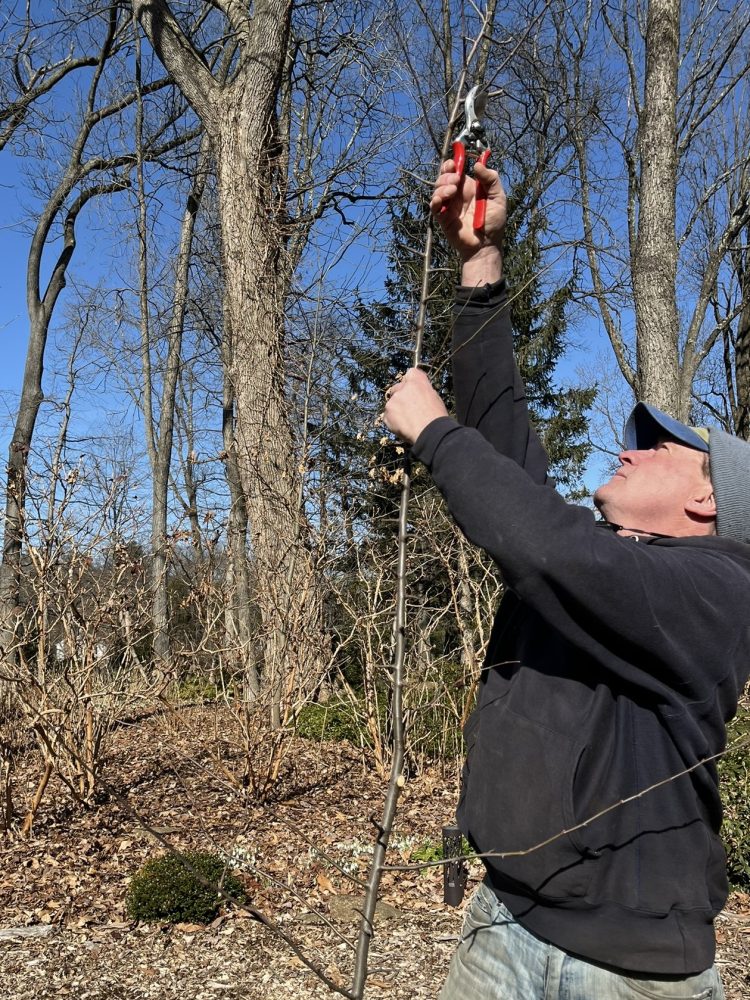
Taking the time to really study the plants in your garden and make corrective cuts is a perfect activity for a late winter’s day. You’ll get a head start on your gardening chores and have a fresh pile of brush ready for the chipper/shredder or compost pile. A satisfying day’s work for sure!
Add a Comment