
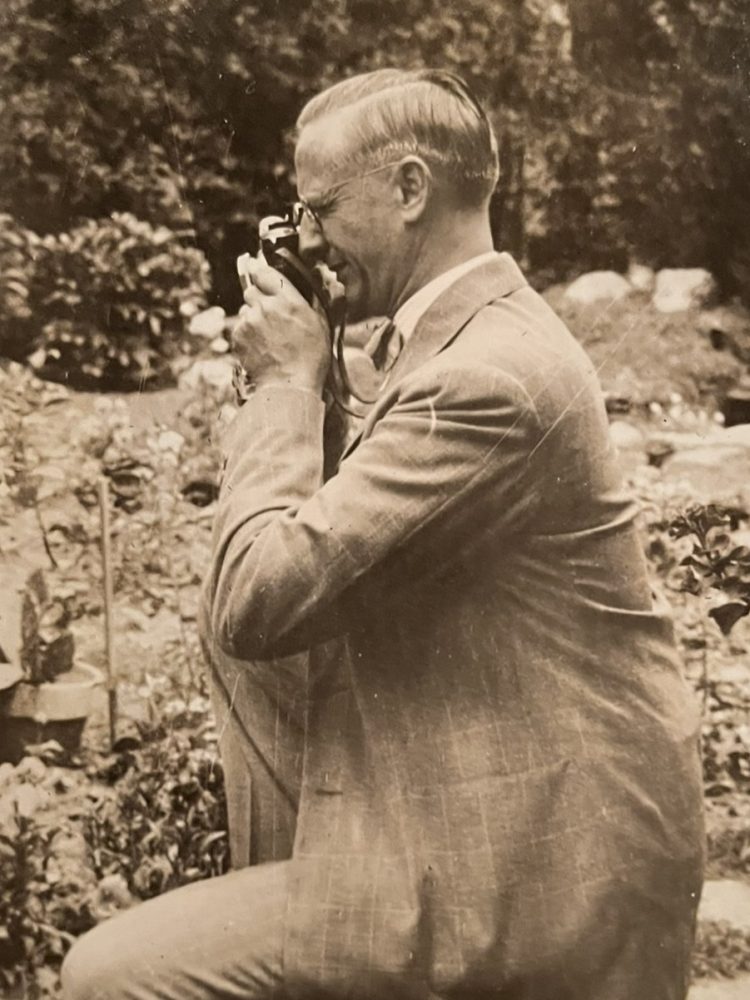
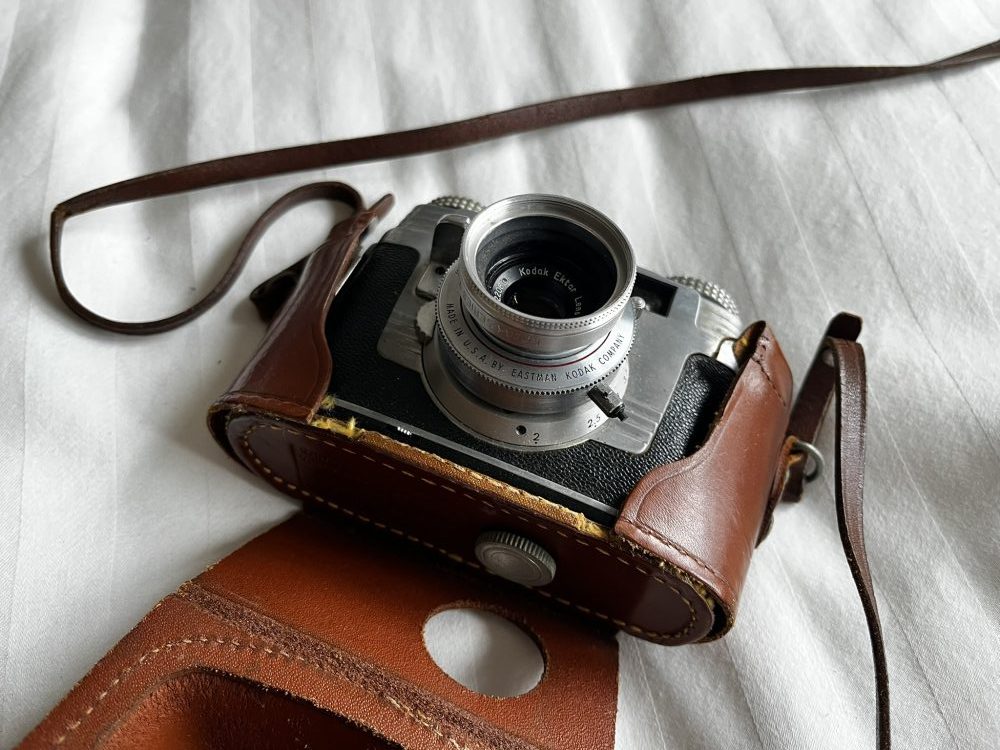
For as long as I can remember, I’ve loved photography. Back in the early 1980’s my grandfather gave me his old Kodak camera which I still have. I remember loading it with slide film and traveling around the world with it capturing images along the way. Of course, times were different then. Nothing about that camera was automatic, not even the light meter (there wasn’t one). Years later I was the proud owner of a Pentax K1000. Over the decades I have added other camera models and now take pictures with either my Nikon or my cell phone.
I recently read some articles and attended some presentations that described tips and techniques for taking good garden and landscape photos. Since I suspect many of you take pictures of plants and gardens, I thought I would share key recommendations in this month’s blog.
Follow the Light
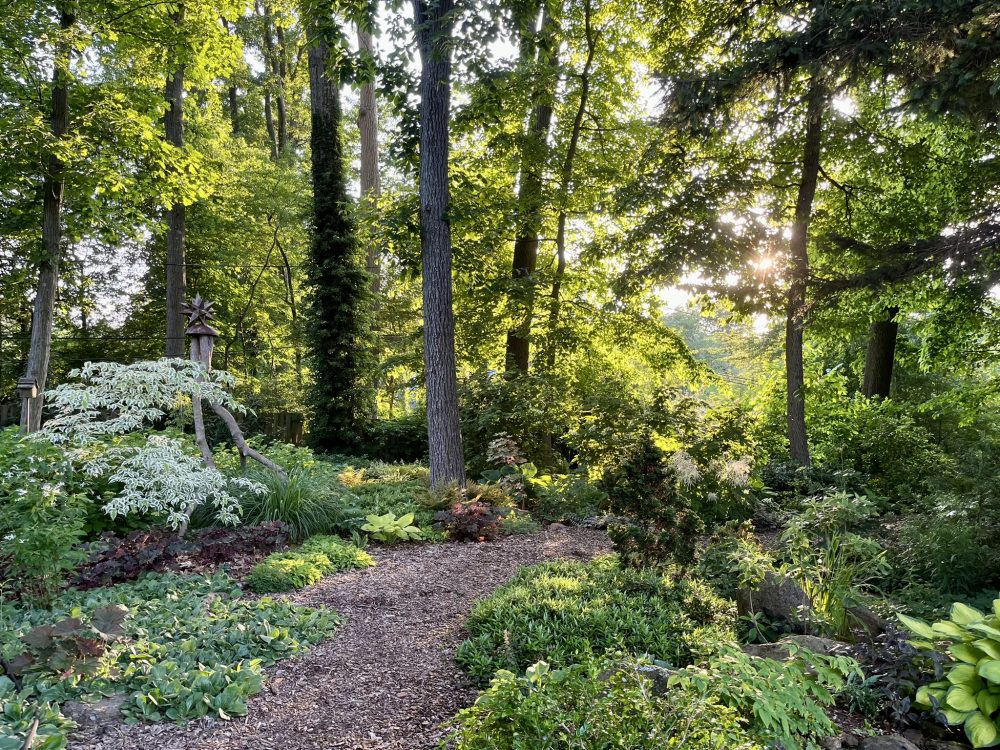
One of the best ways to ensure a good photo is to take advantage of natural light. Early morning light and evening light (sometimes called the golden hours) help to ensure a magical photo. Professional landscape photographers also suggest using backlighting to improve photos of plant material. While not always possible, it’s best to avoid taking photos during midday when subjects often appear washed out and flat.


Consider the Full Frame
Too often photographers center a subject in the frame or place the horizon line in the middle of a picture. Photographs are more interesting when the subject is off center or the horizon line is in the bottom or top third of the frame. Try to remember you are not photographing just a ‘thing.’ Be cognizant of the relationship between the foreground and the background. Look for repeating patterns, contrast in color or texture or geometric patterns to create interest.
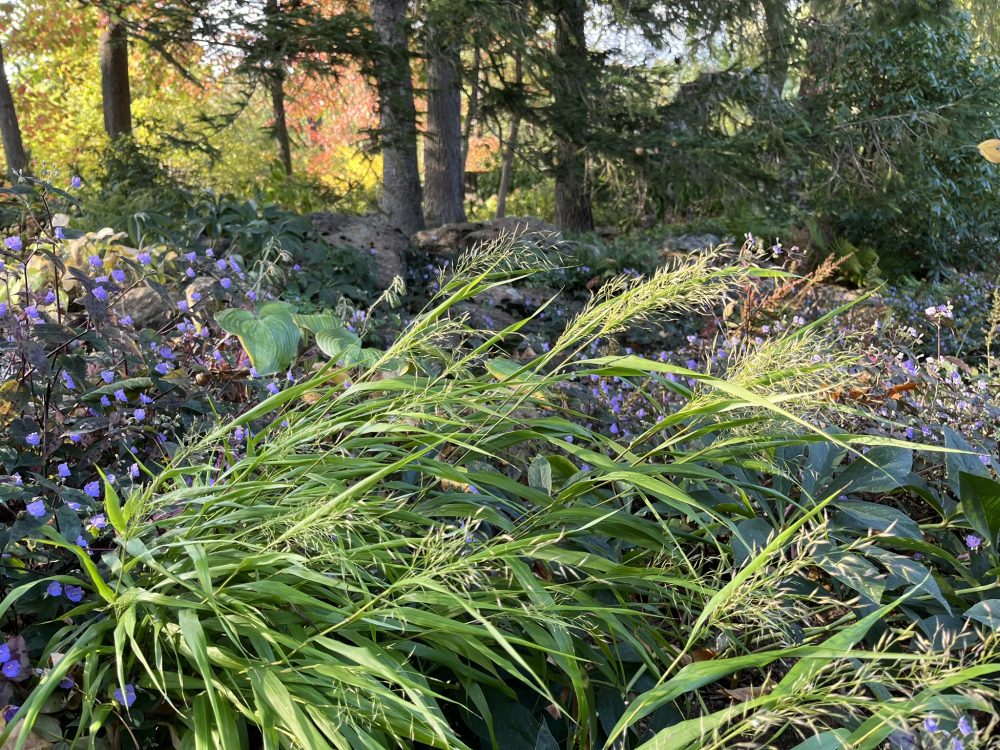

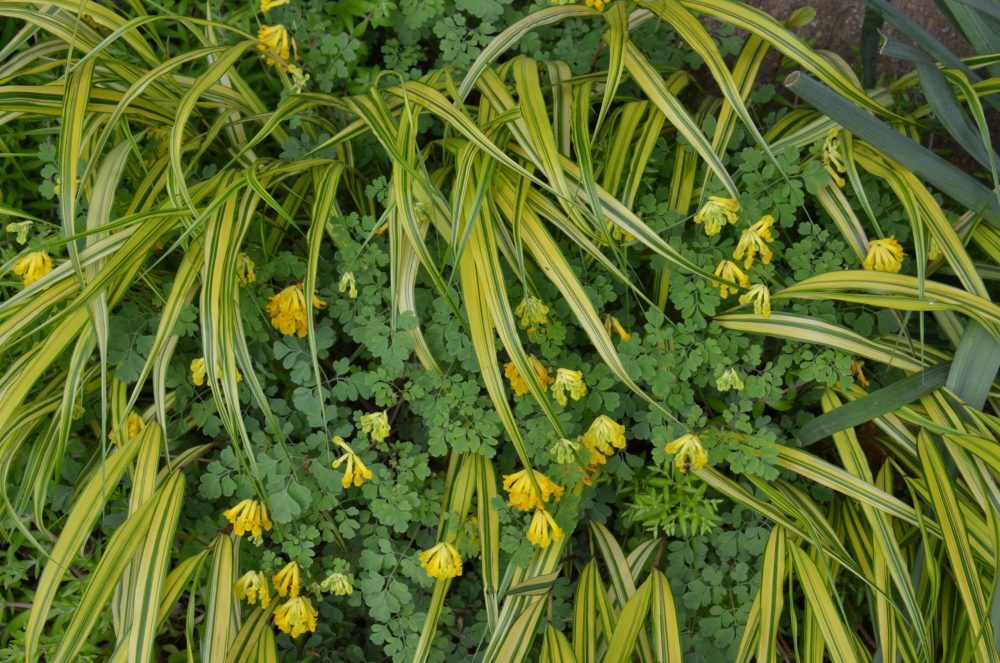
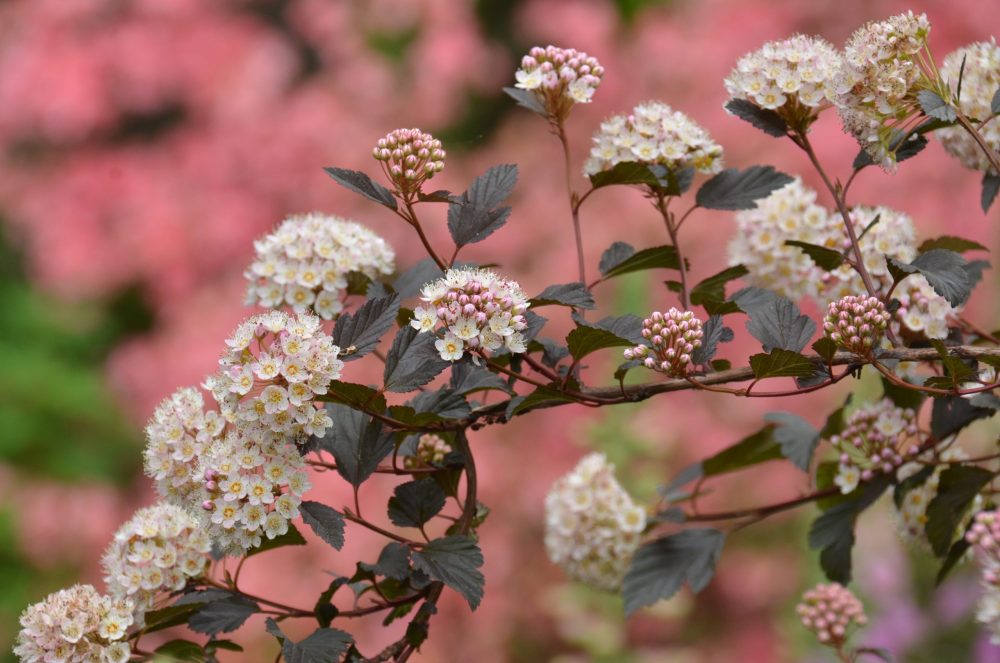
Take Advantage of Cell Phone Capabilities
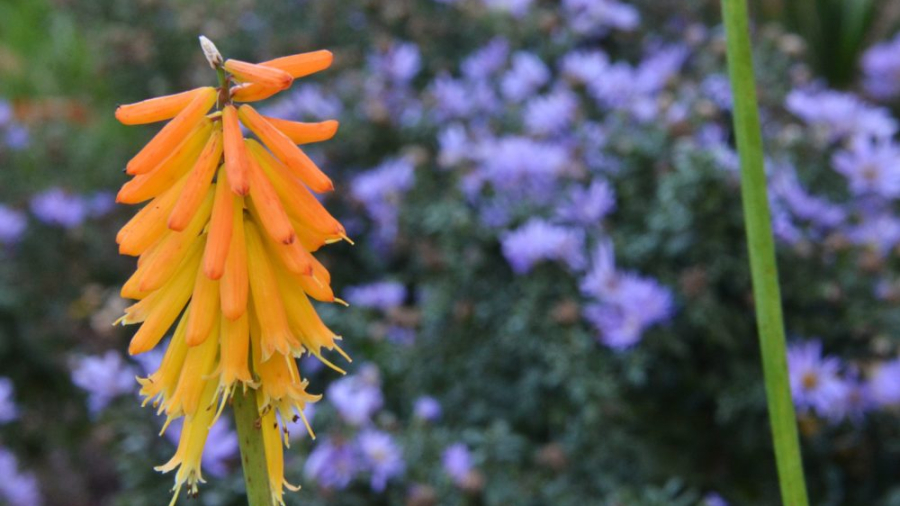
I don’t always have a professional camera with me, but I almost always have my cell phone with me, which is very capable of taking great pictures. When I take photos of a particular bloom that I want to be the feature of a picture, I’ll put my cell phone in portrait mode. I’ll press on the bloom I want to be in focus and take the picture. Another tip I learned is to avoid zooming in to take a picture. Instead, crop the photo after taking it, which results in better resolution.
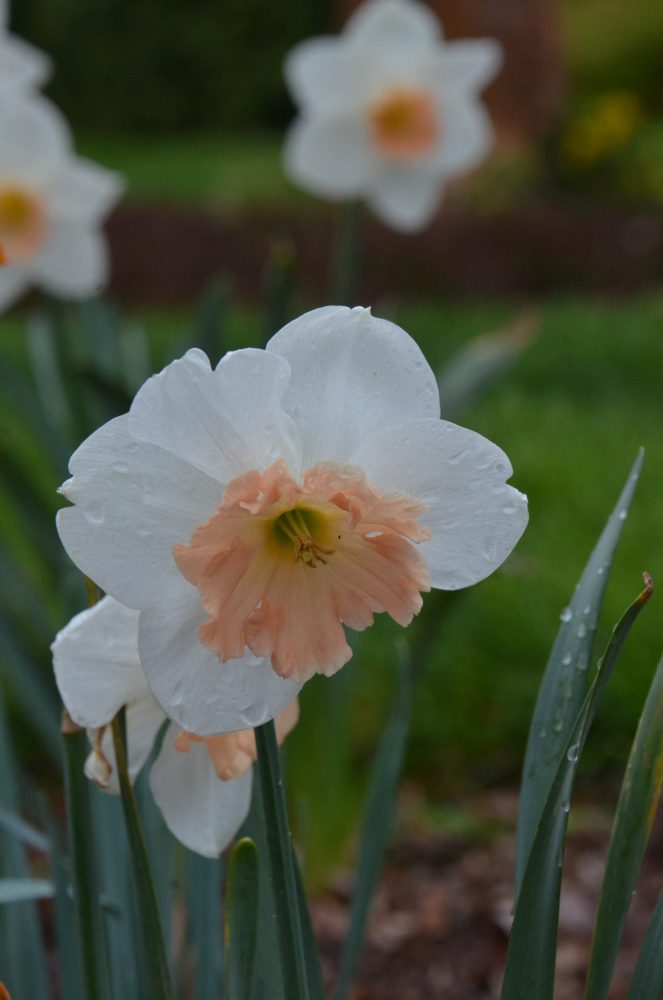
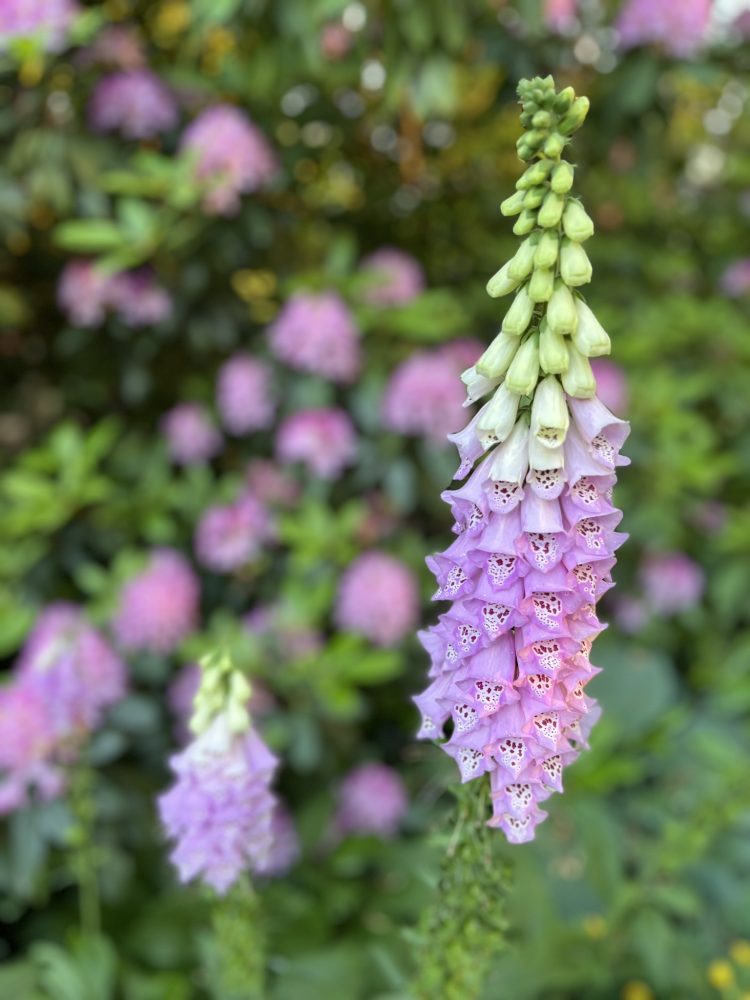
We are lucky that digital photography is all we know. We no longer have to wait a week to see if the image we thought we captured, was in fact the print returned to us at the camera store or pharmacy. My recommendation is to take a lot of pictures. Try a vertical versus a horizontal format. Pull back, zoom in close and take advantage different light and weather conditions. Experiment with the features of your camera and cell phone. Most importantly, have fun capturing the magical moments gardens and plants provide.