I don’t know about you, but I’m becoming increasingly frustrated with the weather. According to drought.gov, Chester County, Pennsylvania where I live is experiencing its 7th driest year in the past 132 years, and we remain nearly six inches below average rainfall.
And when we are lucky enough to get rain, it often comes all at once—a deluge that runs off rather than soaking into the soil—or is followed by strong winds that quickly dry out the landscape. It’s making me rethink how I garden.
I’ve started removing some of my more water-hungry plants, including hydrangeas, and replacing them with plants that are better equipped to handle dry conditions. My goal is to create a landscape that is both beautiful and resilient—one that can thrive without me constantly standing at the end of a hose or continuously running the sprinkler.
Plants That Are Thriving in My Garden
For sunny areas, several plants have performed particularly well for me, even through periods of heat and drought. Some of my standouts include:
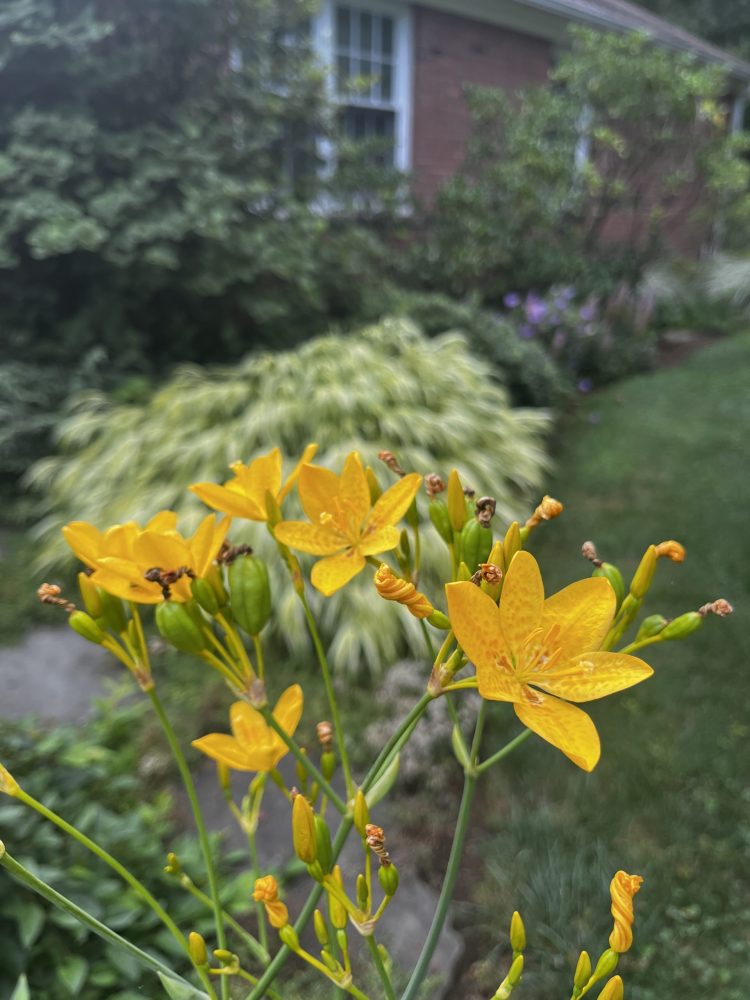
Iris domestica
Calamintha
Antennaria
Penstemon ‘Red Rocks’
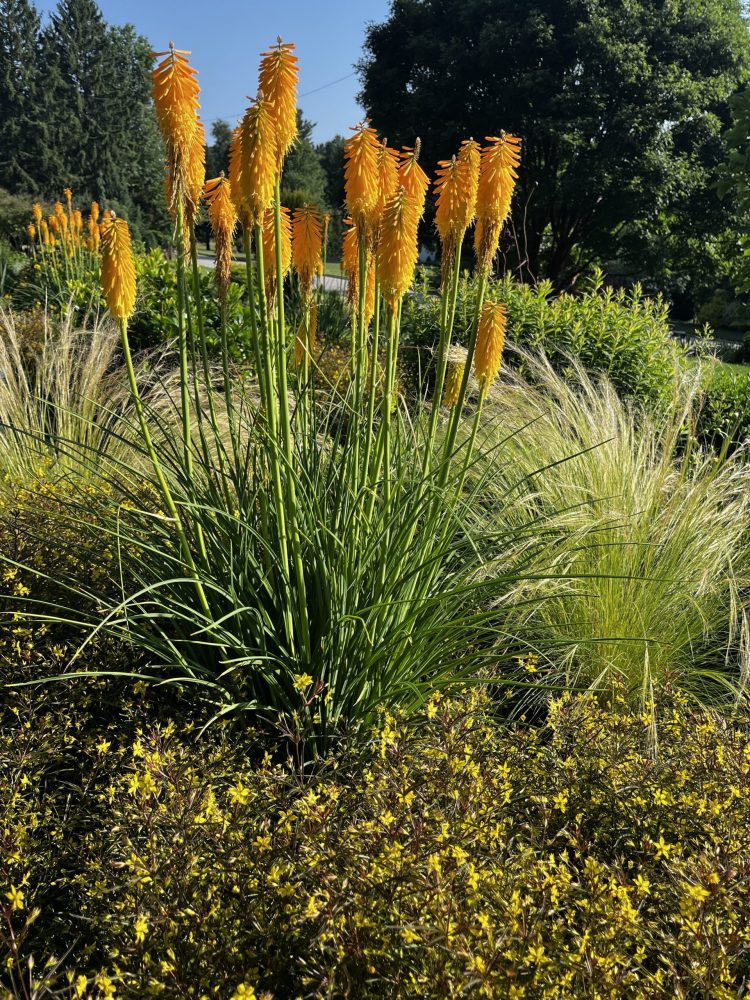
Kniphofia
Allium
Aster ‘Snow Flurry’
Nassella tenuissima
Yarrow
Amsonia
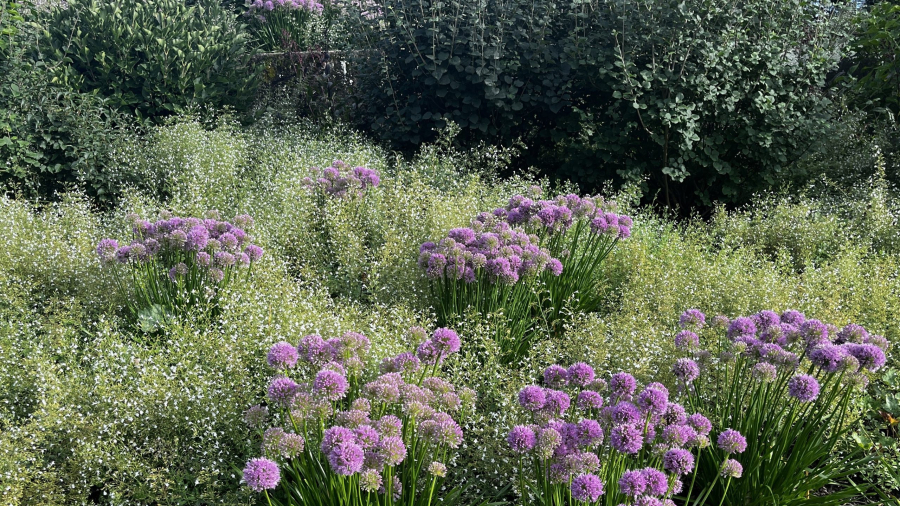
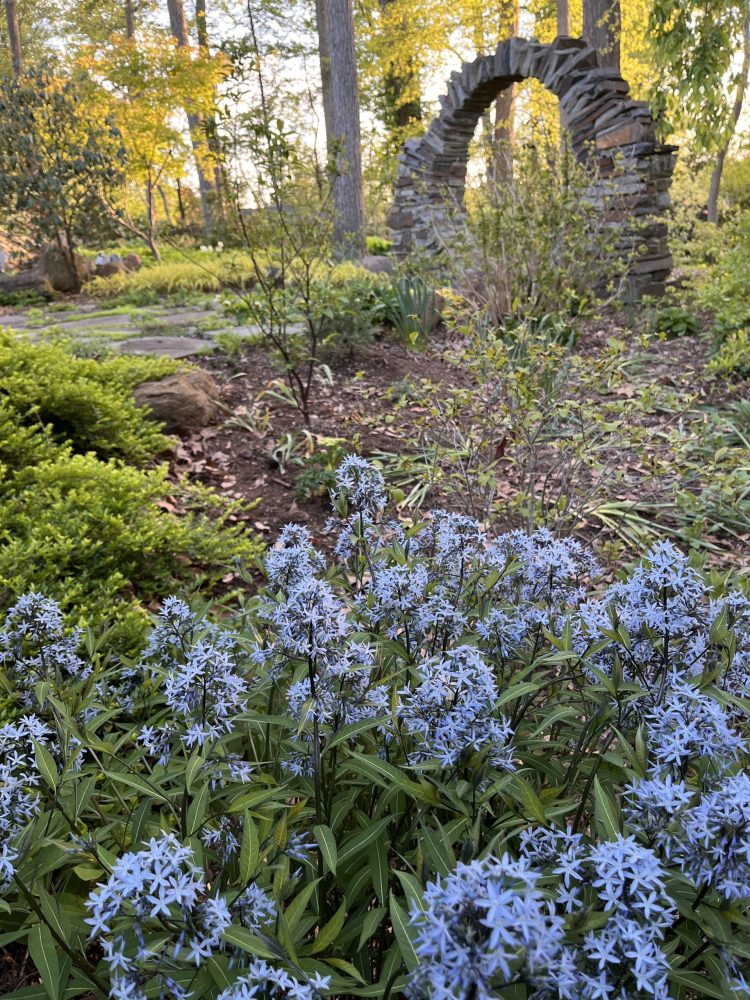
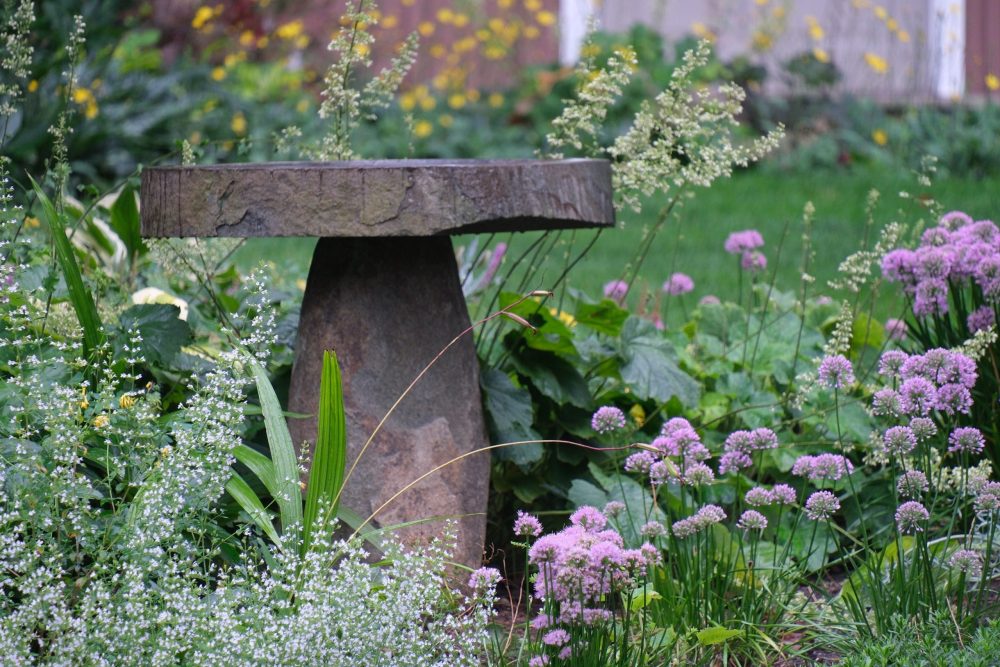
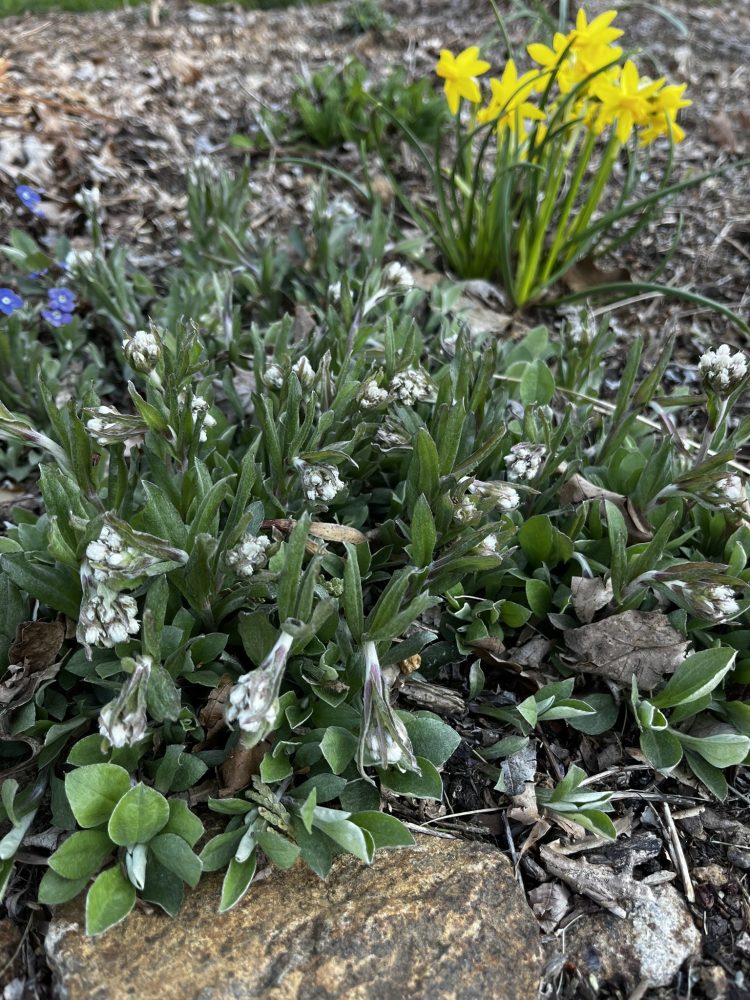
Amsonia ‘Storm Cloud’ blooms reliably in the spring and doesn’t flag in intense heat and drought.The wispy texture of Calamintha ‘White Cloud’ and the purple globes of Allium ‘Millennium’ pair beautifully in the hot sun.My Antennaria (pussy toes) is planted along the driveway. Even with the reflective heat of my driveway, it looks stunning.Kniphofia ‘Mango Popsicle’ and Nasella tenuissima stand tall in dry conditions and never disappoint.Iris domestica, commonly known as blackberry lily, blooms for an extended period of time and doesn’t mind periods of drought.
For areas with shade, I’ve found that these plants can tolerate considerably drier conditions than you might expect:
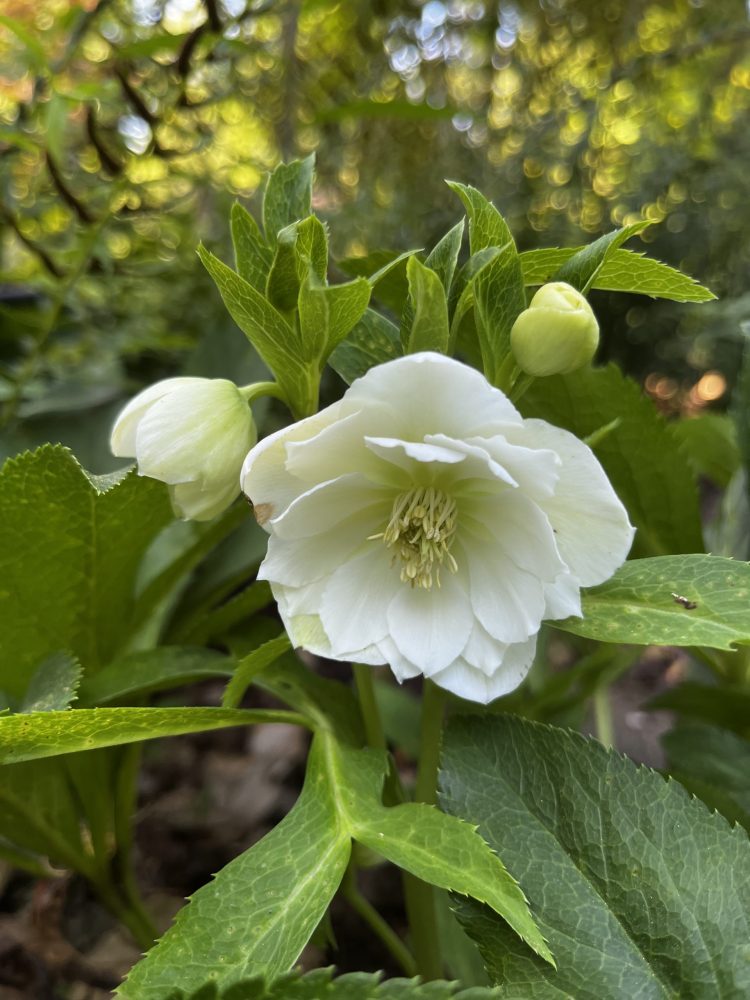
Helleborus
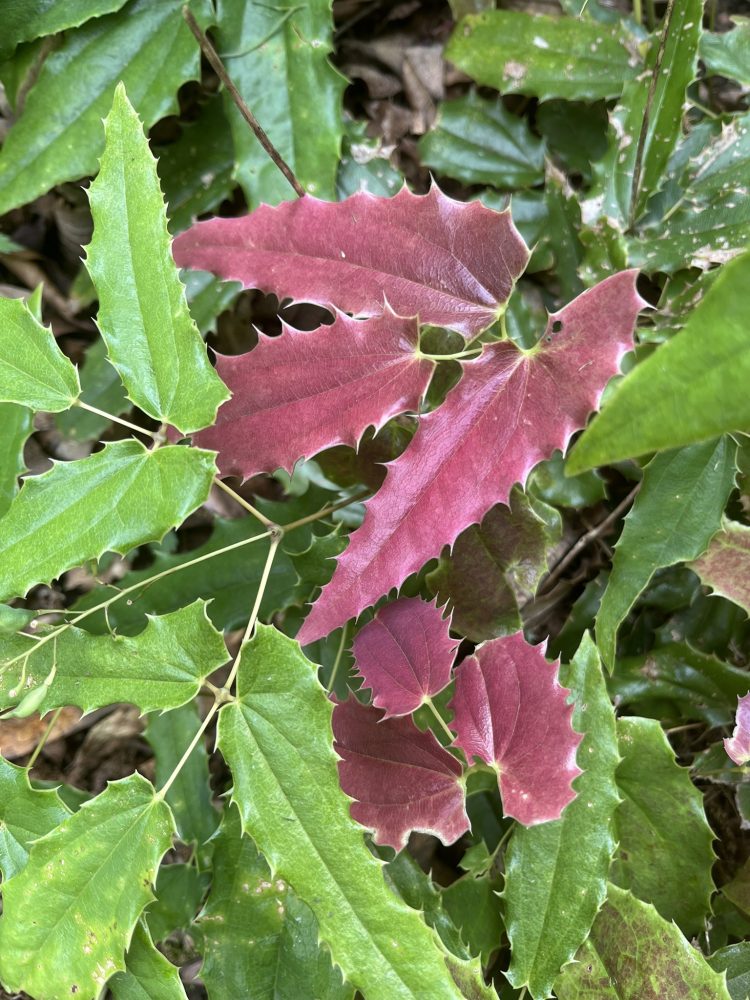
Epimedium
Erigeron pulchellus ‘Lynnhaven Carpet’
Hellebores are thoroughly happy in my dry shade garden.Many varieties of Epimeidum are available and well adapted to drought once established.
As I continue removing super-thirsty plants and reworking different areas of the garden, I plan to rely on some of these tried-and-true favorites. But I’m also excited to experiment with plants I haven’t grown before.
Some that have recently caught my attention are Eryngium yuccifolium (Rattlesnake Master), Carex rosea (Rosy Carex), Commptonia peregrina (Sweet Fern), Arctostaphylos uva-ursi ‘Massachusetts (Kinnikinnick). and Blephilia subnuda (Smooth Woodmint). I’m curious to see how they perform in my garden and whether they might become new favorites.
For me, gardening in a changing climate isn’t about giving up on a beautiful garden. It’s about choosing plants that are better suited to the conditions we’re actually experiencing. A resilient garden can still be lush, colorful, and full of interest—it just may need a different plant palette.
I’m tired. Tired of hand watering and of dragging hoses and sprinklers around my property. I’ve tried pleading with Mother Nature to give us some rain here in the Northeast, but she continues to ignore my requests. Rains are predicted, but don’t show. Or we are teased with a sprinkle or two or possibly a short shower or downpour. Even the best of rains deposit much less than the 1 inch per week so often recommended. None of these weather events are enough to keep my garden happy without constant watering of certain areas.
The one good thing about watering constantly, is that I’m able to observe my garden up close pretty much on a daily basis. I can see what’s failing in the heat and drought. Plants that are screaming display wilted leaves or drop interior leaves to the ground. But I’ve noticed some plants never scream or beg for water. They just keep on growing happily as though enjoying a lovely day at the spa.
I’m not sure what the weather is in your neck of the woods, but where I live, I’m leaning towards adding more drought tolerant plants to my landscape and minimizing the number of fussy ones. Then maybe I can spend more time at the spa instead of dispensing water on thirsty plants. I’m sharing some of my favorites and hope you’ll join in the fun by doing the same.
Sun Loving Drought Busters
Calamintha nepeta ‘White Cloud’ (Lesser Catmint) is a great perennial. With a minty scent that deters deer and flower power that continues for months, it’s a winner in my book. And the pollinators (especially bees) agree.
Calamintha nepeta ‘White Cloud’
Amsonia hubrichtii (Arkansas Amsonia) flowers in the spring, but its claim to fame is the spectacular fall color. The fine textured foliage creates a billowy feel in the garden and causes Amsonia to wave in the wind.
Amsonia hubrichtii
Stipa tenuissima (Mexican Feather Grass) is an ornamental grass with wispy foliage. Mine is planted along an asphalt driveway on a well-draining slope. Dry is what it prefers so it’s loving our current conditions.
Stipa tenuissima
Kalimeris incisa ‘Blue Star (Japanese Aster) has always been a trooper for me. With aster-like blooms that continue from June until October, Kalimeris is one of my favorite plants. In my experience it has never flagged in hot, humid or even dry weather.
Kalimeris incisa ‘Blue Star
Rudbeckia fulgida var. sullivantii ‘Goldsturm’ (Black eyed Susan) is a regular star in meadow plantings. The reason is clear. It tolerates drought well and flowers for an extended period of time.
Allium ‘Millenium’ (Ornamental Onion) is one of those plants I would consider deer proof as I have never seen a deer eat one. Those deer must really hate onions. That said, Allium is another no-fuss plant that seems to tolerate most weather extremes in my 6b garden.
Rudbeckia fulgida ‘Goldstrum’ and Allium ‘Millenium’
Perovskia ‘Denim ’n Lace’ (Russian Sage) not only blooms for a long time with good deer resistance, but it also tolerates dry spells and attracts lots of pollinators.
Perovskia ‘Denim ’n Lace’
Coreopsis tripteris ‘Gold Standard’ (Tall tickseed) is my favorite Coreopsis. Standing over 6 feet tall, you’d never know it hasn’t been watered much this year. It doesn’t seem to care.
Coreopsis tripteris ‘Gold Standard’
Shade Tolerant Drought Busters
Euphorbia amygdaloides var. robbiae (Wood Spurge) performs extremely well in my dry shade garden. Shiny, evergreen foliage provides an amazing texture in woodland settings.
Euphorbia amygdaloides var. robbiae
Sarcococca hookeriana var. humilis ‘Fragrant Valley’ (Sweetbox) is another great plant for dry conditions. A wonderful texture plant, it slowly spreads into lovely patches in the garden.
Erigeron pulchellus ‘Lynnhaven Carpet’ (Robin’s Plantain) is a perfect edger for perennial beds. The overlapping foliage creates a wonderful weed suppressing, drought tolerant mat.
Sarcococca hookeriana var. humilis ‘Fragrant Valley’ (Top) and Erigeron pulchellus ‘Lynnhaven Carpet’ (Bottom)
Dryopteris erythrosora Brilliance™ (Autumn Fern) is one of the ferns in my garden that looks great most of the time (even in most winters). I’ve been pleasantly surprised by its drought tolerance.
Dryopteris erythrosora Brilliance™
Carex morrowii ‘Ice Dance’ (Japanese Sedge Grass) is a strong groundcover for the landscape. I’ve lost track of how many plugs of Ice Dance I have planted over the years. I continue to plant it because it is such a strong performer in adverse conditions.
Carex ‘Ice Dance’
Epimedium x versicolor ‘Sulphureum’ (Sulfur Barrenwort) tolerates dry shade well once established. I haven’t met an Epimedium I didn’t like since they not only tolerate drought conditions but also offer deer resistance and great spring interest.
Epimedium x versicolor ‘Sulphureum’
Now that I’ve told you about my favorite drought tolerant plants, I’m off to water again. It rained a bit the other day, but not enough (only ½ inch) and today’s forecast is breezy, dry and hot. Once I finish watering, I think I’ll go plant shopping. Time to add some more well-behaved, dry-loving plants to my garden!
Shopping Basket
Cookie Consent
We use cookies to improve your experience on our site. By using our site, you consent to cookies.